
Digital Discussion: Immigration and Transportation

-

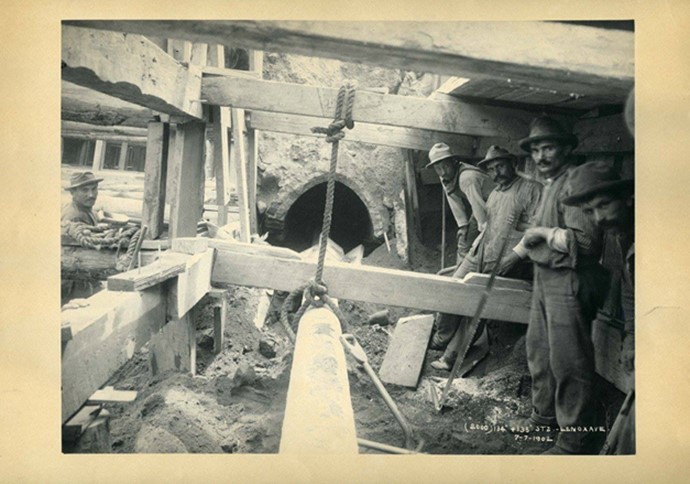
During the 19th and early 20th centuries, immigrants from all over the world began to arrive in New York City.  Many of these immigrants found themselves living in crowded and dangerous conditions in lower Manhattan, signaling that the city desperately needed to grow and expand. It was the evolving transportation system that eventually made this possible.
Join Museum Educator Kate Lanceley for a digital discussion focusing on the waves of immigrants that arrived in New York City from the early 19th century onward and the crucial role they played in constructing New York’s transportation system, the very transportation system that enabled these immigrants to spread out and populate the city and in effect, create the New York City of today.
Limited spots available! RSVP here >
Free Online Discussion
Virtual

Digital Discussion: Making Modern Maps – Members Only

-

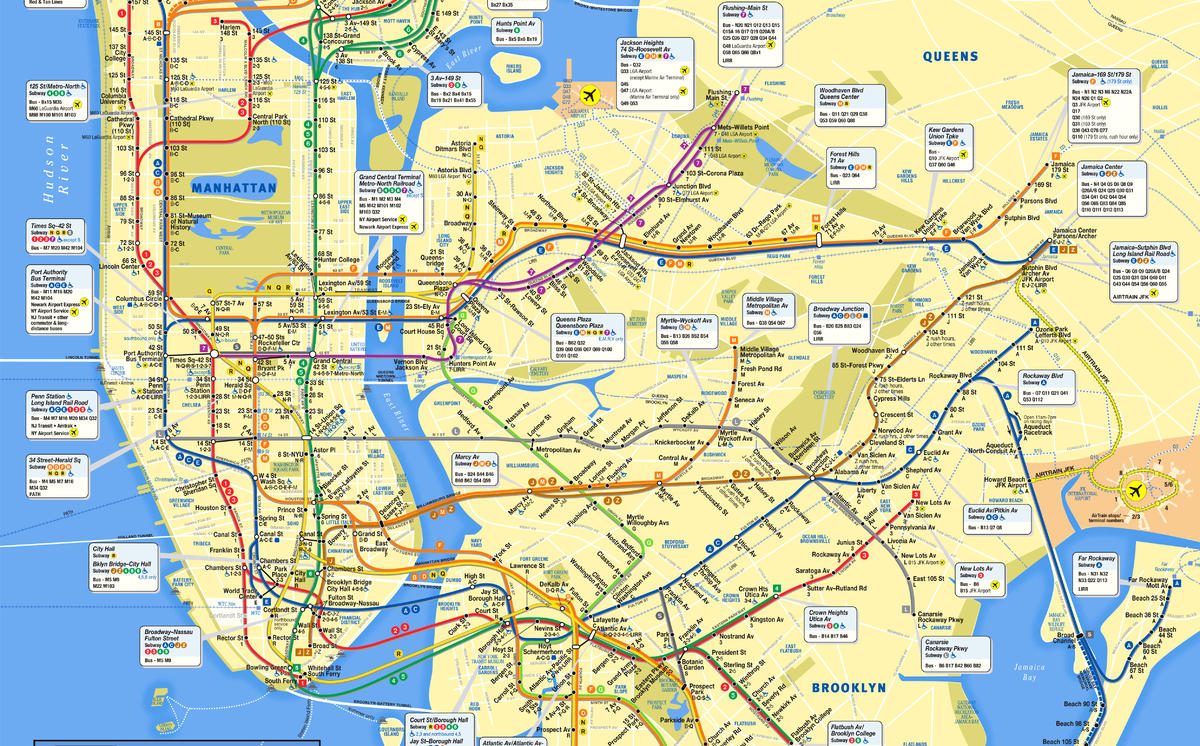
Transportation maps for the New York region evolved gradually -- helping riders navigate the region and marketing mass transit as a modern, desirable choice for commuters. Even as the system grew more complex after the consolidation of the private and public subway systems in 1940, mapmakers experimented with different styles and colors to simplify the most significant information for quick comprehension.
Join Curator Kathleen Hulser for a digital discussion on the journey to create a modern transportation map for New York. Learn how innovations in map design and communications in the 1950s and beyond enabled transportation maps to take on a brighter, cleaner look.
Limited spots available! RSVP here >
Free Online Discussion
Virtual

Digital Discussion: Early Subway Innovators

-

Early planning and building of New York City’s first subway line was no easy feat. Each inventor, financier, politician, and builder faced immense hurdles and difficulties in trying to get these massive projects in motion.
Join Museum Educator Sonya Ochshorn for a digital discussion to explore early subway planning and building while learning about extraordinary individuals, such as William Barclay Parsons, George Westinghouse, Frank Sprague, and Granville T. Woods, whose business savvy and innovation were essential in the groundbreaking of the largest mass transportation system in the United States.
Limited spots available! RSVP here >
Free Online Discussion
Virtual

Digital Discussion: Transit Sketches with Naomi Grossman

-

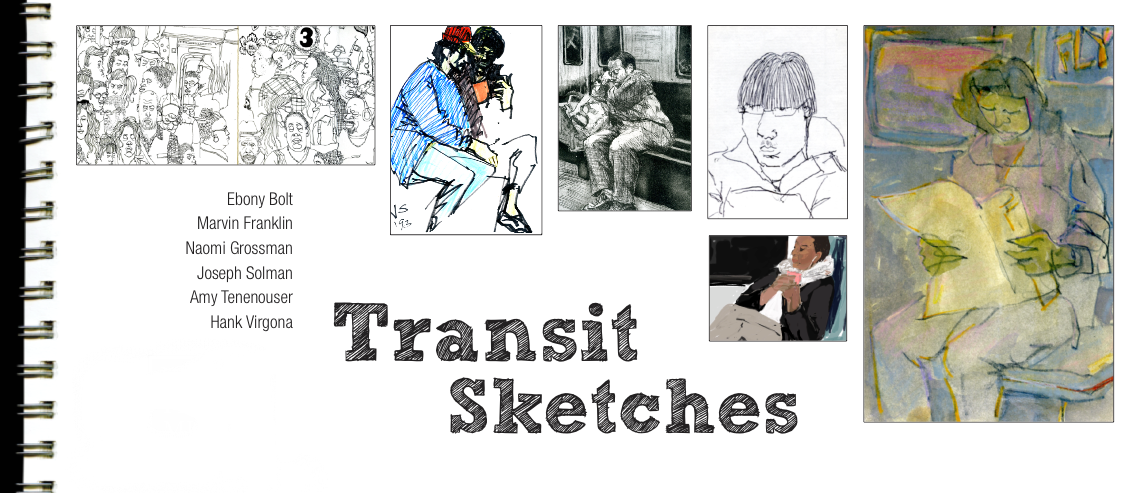
It is not uncommon to witness artists sketching while commuting on mass transportation, passing the time and honing their skills. In New York City, subway riders provide an endless parade of figures and characters for sketchers who are quick enough to compose a portrait before their subject moves on.
Join the New York Transit Museum and artist Naomi Grossman for a digital discussion of her work.
Transit Sketches is an exhibition currently on view at the Museum’s Grand Central Terminal Gallery Annex, and features work by six artists – Ebony Bolt, Marvin Franklin, Naomi Grossman, Joseph Solman, Amy Tenenouser, and Hank Virgona – who spent years filling sketchbooks during train rides across the city and the region.
Limited spots available! RSVP here >
Free Online Discussion
Virtual

Digital Discussion: Immigration and Transportation

-

During the 19th and early 20th centuries, immigrants from all over the world began to arrive in New York City.  Many of these immigrants found themselves living in crowded and dangerous conditions in lower Manhattan, signaling that the city desperately needed to grow and expand. It was the evolving transportation system that eventually made this possible.
Join Museum Educator Kate Lanceley for a digital discussion focusing on the waves of immigrants that arrived in New York City from the early 19th century onward and the crucial role they played in constructing New York’s transportation system, the very transportation system that enabled these immigrants to spread out and populate the city and in effect, create the New York City of today. RSVP >
 

Free Online Discussion
Virtual

Digital Discussion: Making Modern Maps

-

Transportation maps for the New York region evolved gradually -- helping riders navigate the region and marketing mass transit as a modern, desirable choice for commuters. Even as the system grew more complex after the consolidation of the private and public subway systems in 1940, mapmakers experimented with different styles and colors to simplify the most significant information for quick comprehension.
Join Curator Kathleen Hulser for a digital discussion on the journey to create a modern transportation map for New York. Learn how innovations in map design and communications in the 1950s and beyond enabled transportation maps to take on a brighter, cleaner look.
Limited spots available! RSVP here >
Free Online Discussion
Virtual

Digital Discussion: LIRR Third Track Program

-

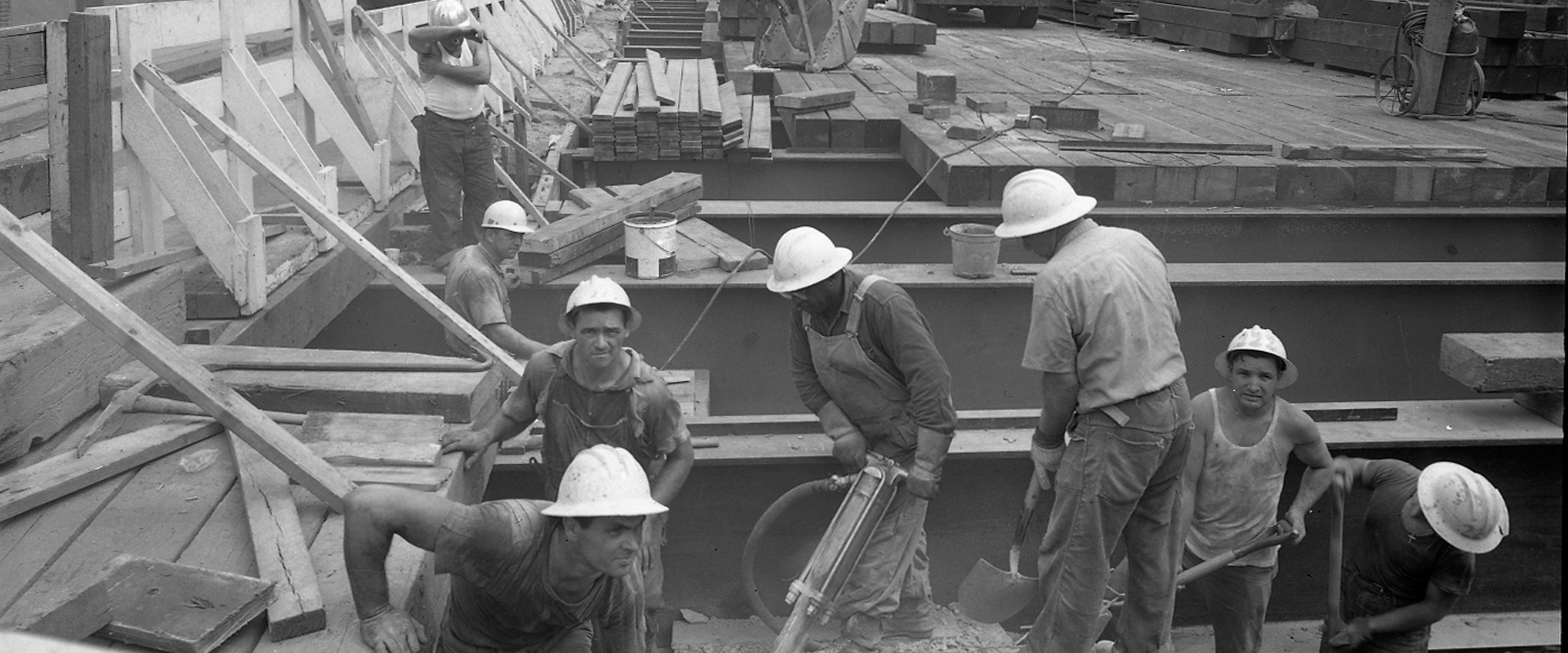
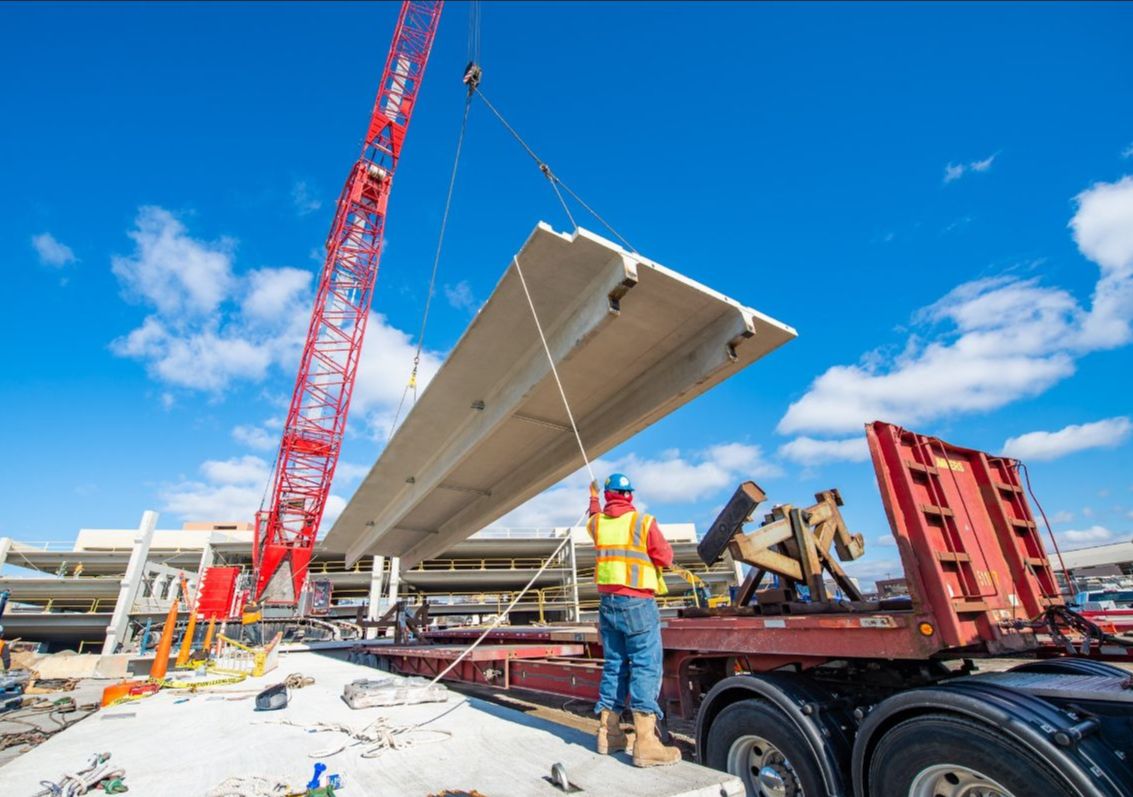
The Long Island Rail Road is the oldest commuter rail system in the United States. While there are several distinct routes and branches, the center route is referred to as the Main Line. The LIRR Expansion Project is a $2 billion initiative to add a third track to a 9.8-mile section of the Main Line route between Floral Park and Hicksville.
The Third Track project seeks to decrease congestion, increase efficiency, improve safety and enhance quality of life for adjacent communities.
The Transit Museum is pleased to welcome Leslie Mesnick and Louise Calfiero of The Calladium Group for an overview of the expansion project, ongoing construction and major milestones of the project.
Limited spots available! RSVP here >
$10
Virtual

Digital Discussion: Early Subway Innovators

-

Early planning and building of New York City’s first subway line was no easy feat. Each inventor, financier, politician, and builder faced immense hurdles and difficulties in trying to get these massive projects in motion.
Join Museum Educator Sonya Ochshorn for a digital discussion to explore early subway planning and building while learning about extraordinary individuals, such as William Barclay Parsons, George Westinghouse, Frank Sprague, and Granville T. Woods, whose business savvy and innovation were essential in the groundbreaking of the largest mass transportation system in the United States.
Limited spots available! RSVP here >
Free Online Discussion
Virtual

Digital Discussion: The Evolution of Penn Station – Members Only

-

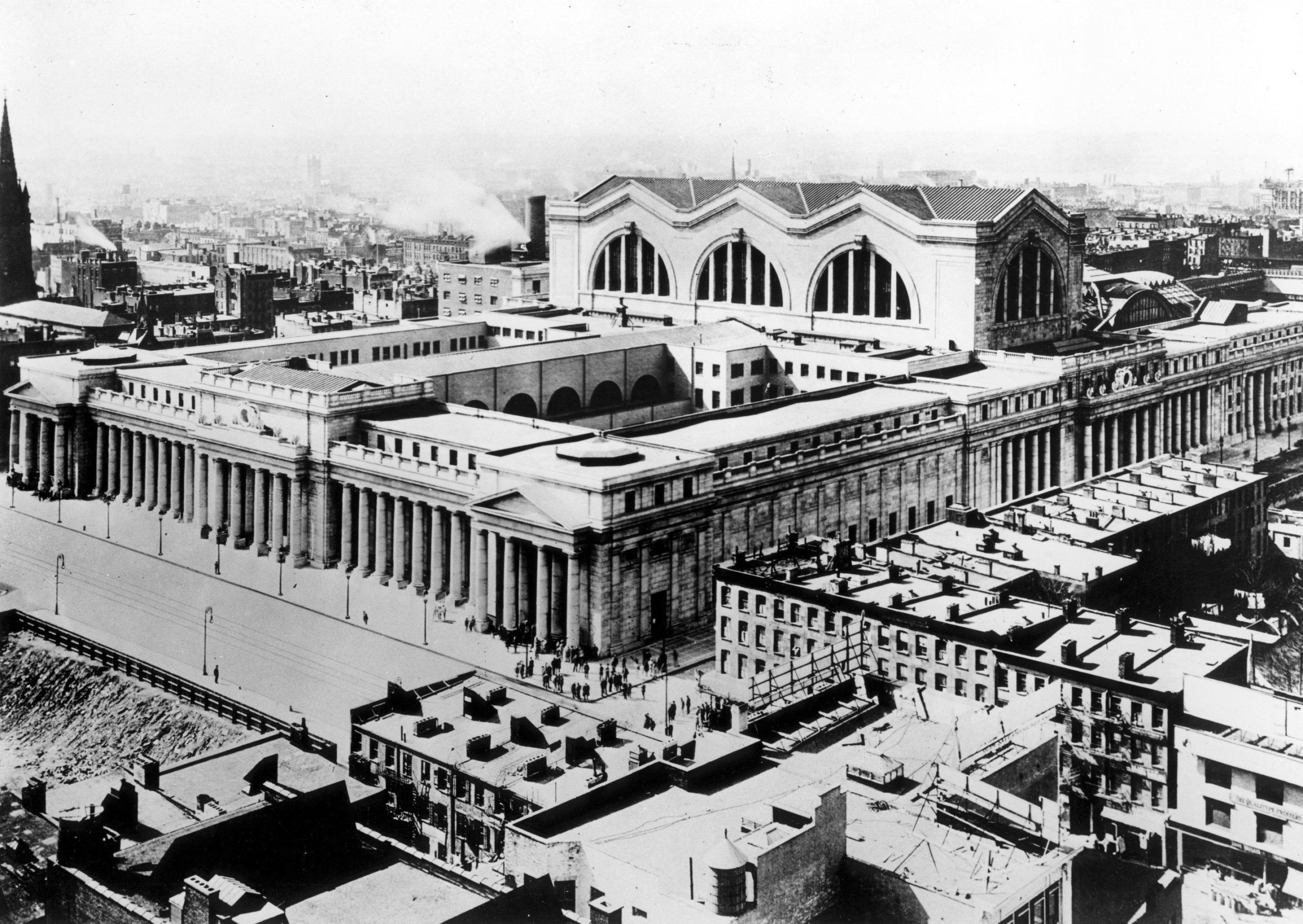
Before Penn Station was built on the west side of Manhattan, the only way for people to cross the Hudson River was by ferry. The Pennsylvania Railroad Company wanted to provide passengers a direct route to Manhattan from the south and set about to build a grand station occupying eight acres in midtown Manhattan. The original Penn Station opened in 1910 and was considered one of the great architectural works of New York City, as well as an engineering feat for its time.
Join Registrar Chelsea Reil for a digital discussion focused on Penn Station’s evolution from an architectural wonder to the ever-busy station it is today. Learn the ways Penn Station revolutionized long-distance travel in and out New York City and plans to rebuild the station to its original grandeur.
Limited spots available! RSVP here >

Free Online Discussion
Virtual

Digital Discussion: Early Subway Innovators

-

Early planning and building of New York City’s first subway line was no easy feat. Each inventor, financier, politician, and builder faced immense hurdles and difficulties in trying to get these massive projects in motion.
Join Museum Educator Sonya Ochshorn for a digital discussion to explore early subway planning and building while learning about extraordinary individuals, such as William Barclay Parsons, George Westinghouse, Frank Sprague, and Granville T. Woods, whose business savvy and innovation were essential in the groundbreaking of the largest mass transportation system in the United States.
Limited spots available! RSVP here >

Free Online Discussion
Virtual

Digital Discussion: Tokens and Turnstiles: Subway Fare through Time

-

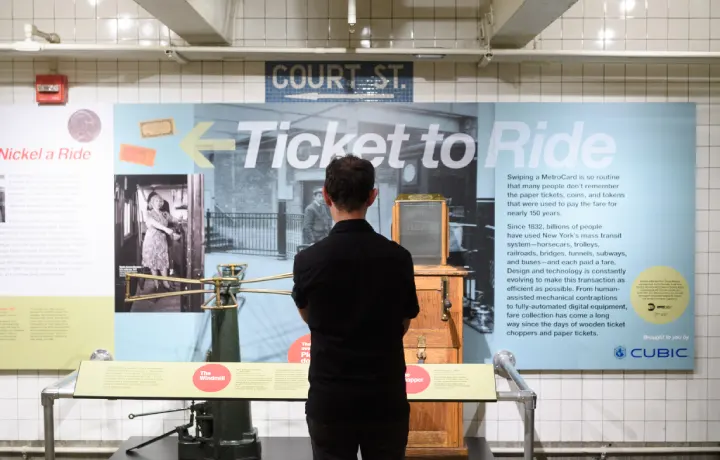
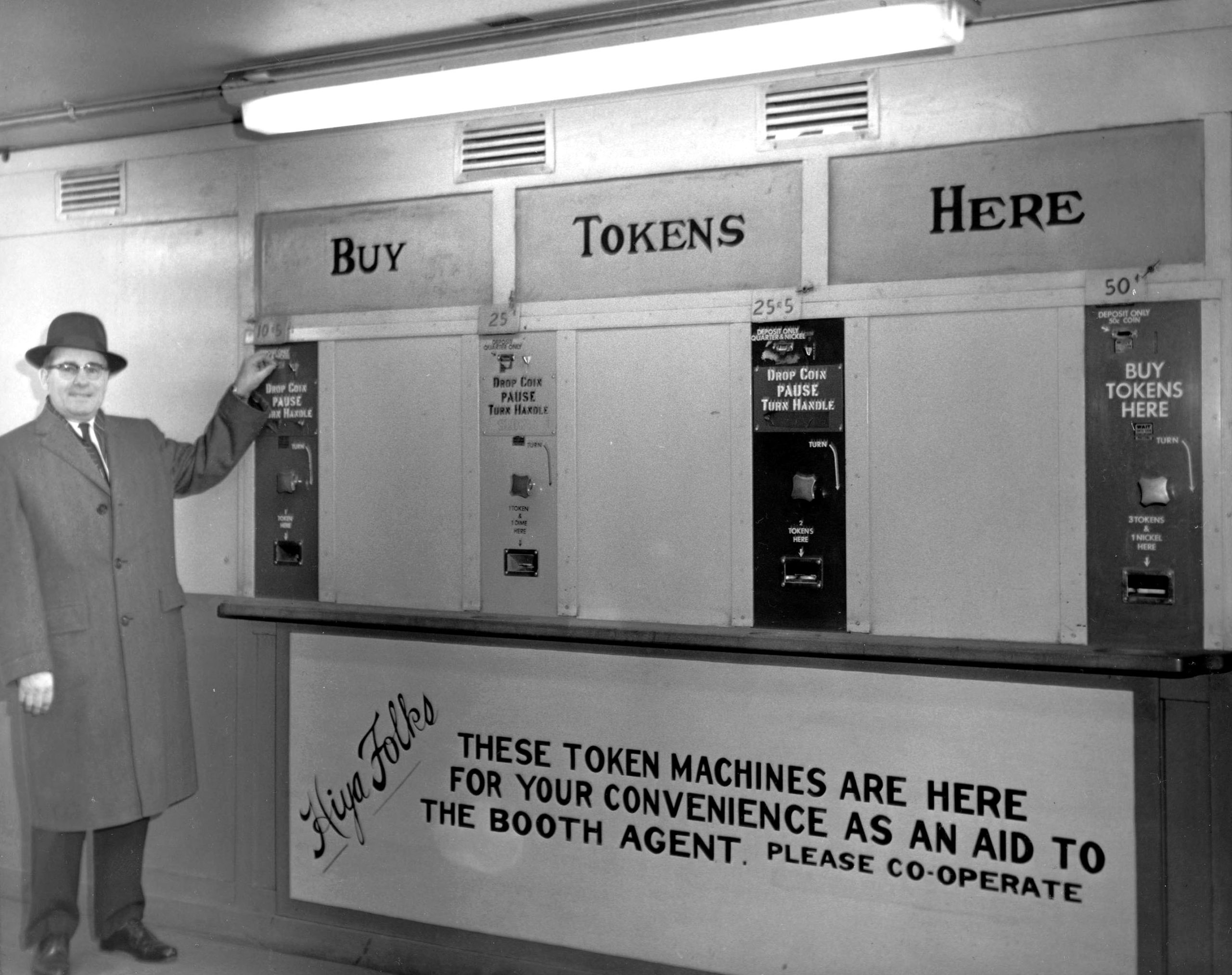
 Fare collection in New York City has changed significantly over time. From tickets, to nickels, to dimes, to tokens, to Metrocards, and into the future with OMNY, the way we have paid our fare to board public transit has been an evolving process.
Join Senior Education Coordinator, Cassie Wood-Triplett for a digital discussion focusing on the history of fare collection in New York City. Learn about the evolution from omnibus tickets to OMNY, how our city’s subway fare has always worked to be a fair price and what it means to be a one-fare system.
Limited spots available! RSVP here >

Free Online Discussion
Virtual

Digital Discussion: The Evolution of Penn Station

-

Before Penn Station was built on the west side of Manhattan, the only way for people to cross the Hudson River was by ferry. The Pennsylvania Railroad Company wanted to provide passengers a direct route to Manhattan from the south and set about to build a grand station occupying eight acres in midtown Manhattan. The original Penn Station opened in 1910 and was considered one of the great architectural works of New York City, as well as an engineering feat for its time.
Join Registrar Chelsea Reil for a digital discussion focused on Penn Station’s evolution from an architectural wonder to the ever-busy station it is today. Learn the ways Penn Station revolutionized long-distance travel in and out New York City and plans to rebuild the station to its original grandeur.
Limited spots available! RSVP here >

Free Online Discussion
Virtual

Digital Discussion: Making Modern Maps

-

Transportation maps for the New York region evolved gradually -- helping riders navigate the region and marketing mass transit as a modern, desirable choice for commuters. Even as the system grew more complex after the consolidation of the private and public subway systems in 1940, mapmakers experimented with different styles and colors to simplify the most significant information for quick comprehension.
Join Curator Kathleen Hulser for a digital discussion on the journey to create a modern transportation map for New York. Learn how innovations in map design and communications in the 1950s and beyond enabled transportation maps to take on a brighter, cleaner look.
Limited spots available! RSVP here >

Free Online Discussion
Virtual

Digital Discussion: Tokens and Turnstiles: Subway Fare through Time

-

 Fare collection in New York City has changed significantly over time. From tickets, to nickels, to dimes, to tokens, to Metrocards, and into the future with OMNY, the way we have paid our fare to board public transit has been an evolving process.
Join Senior Education Coordinator, Cassie Wood-Triplett for a digital discussion focusing on the history of fare collection in New York City. Learn about the evolution from omnibus tickets to OMNY, how our city’s subway fare has always worked to be a fair price and what it means to be a one-fare system.
Limited spots available! RSVP here >

Free Online Discussion
Virtual

Digital Discussion: Symbol of New York: Grand Central

-

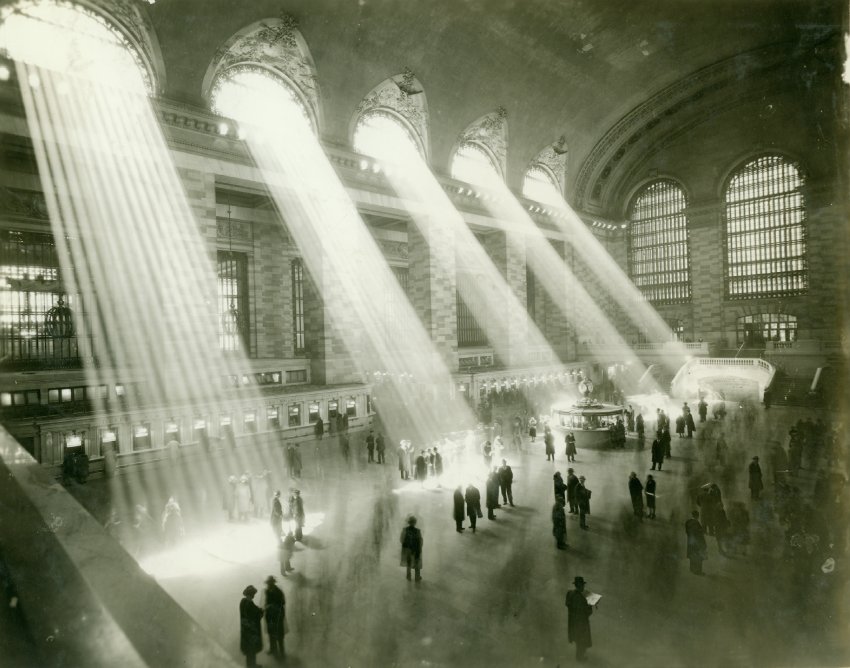
New Yorkers in the early 1900s saw their city as the new cultural and commercial capital, deserving of a majestic landmark. The vibrant City Beautiful movement, meanwhile, promoted architectural excellence. Grand Central Terminal satisfied both desires, invigorating midtown Manhattan and transforming regional transportation.
Join Museum Educator Joe Hartman for a digital discussion on the evolution of Grand Central Terminal. Explore how it was constructed in stages to serve the demands of the city’s expanding population and how the grandeur and opulence of its architecture has continued to attract travelers and sightseers alike.
Limited spots available! RSVP here >

Free Online Discussion
Virtual