
Digital Discussion: The Evolution of Penn Station

-

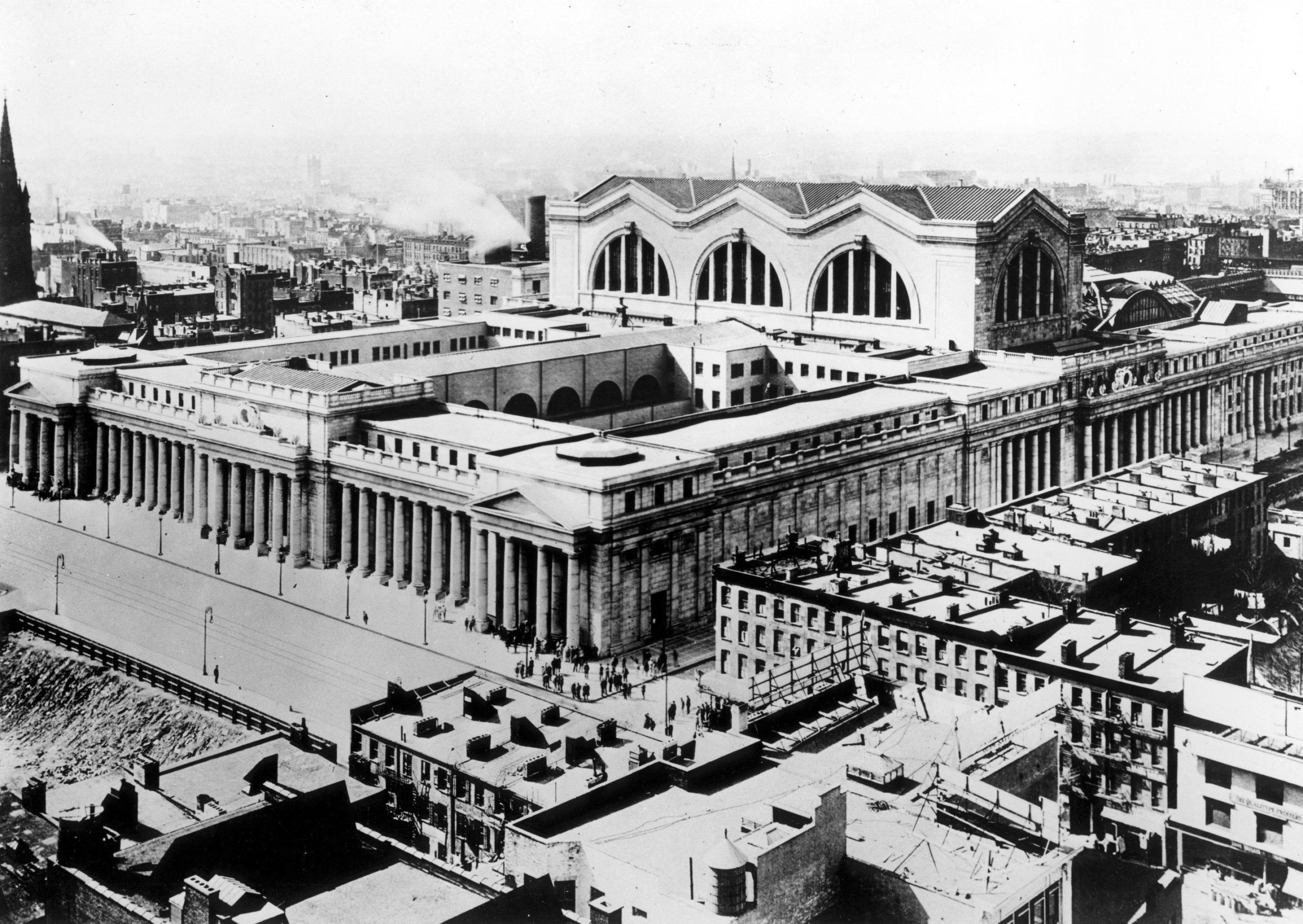
Before Penn Station was built on the west side of Manhattan, the only way for people to cross the Hudson River was by ferry. The Pennsylvania Railroad Company wanted to provide passengers a direct route to Manhattan from the south and set about to build a grand station occupying eight acres in midtown Manhattan. The original Penn Station opened in 1910 and was considered one of the great architectural works of New York City, as well as an engineering feat for its time.
Join Registrar Chelsea Reil for a digital discussion focused on Penn Station’s evolution from an architectural wonder to the ever-busy station it is today. Learn the ways Penn Station revolutionized long-distance travel in and out New York City and plans to rebuild the station to its original grandeur.
Limited spots available! RSVP here >
Free Online Discussion
Virtual

Digital Discussion: Symbol of New York: Grand Central

-

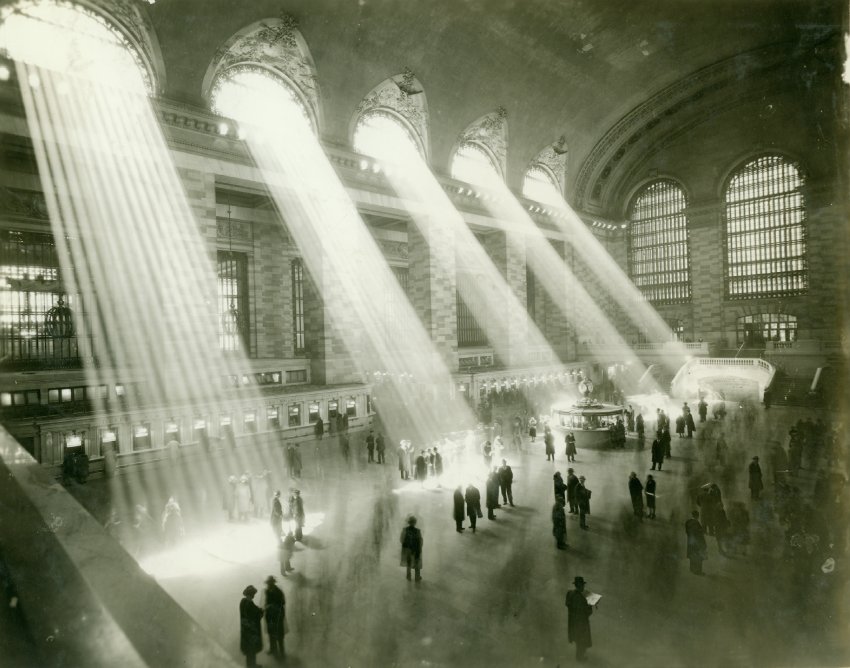
New Yorkers in the early 1900s saw their city as the new cultural and commercial capital, deserving of a majestic landmark. The vibrant City Beautiful movement, meanwhile, promoted architectural excellence. Grand Central Terminal satisfied both desires, invigorating midtown Manhattan and transforming regional transportation.
Join Museum Educator Joe Hartman for a digital discussion on the evolution of Grand Central Terminal. Explore how it was constructed in stages to serve the demands of the city’s expanding population and how the grandeur and opulence of its architecture has continued to attract travelers and sightseers alike.
Limited spots available! RSVP here >
Free Online Discussion
Virtual

Digital Discussion: Transit Sketches with Amy Tenenouser

-

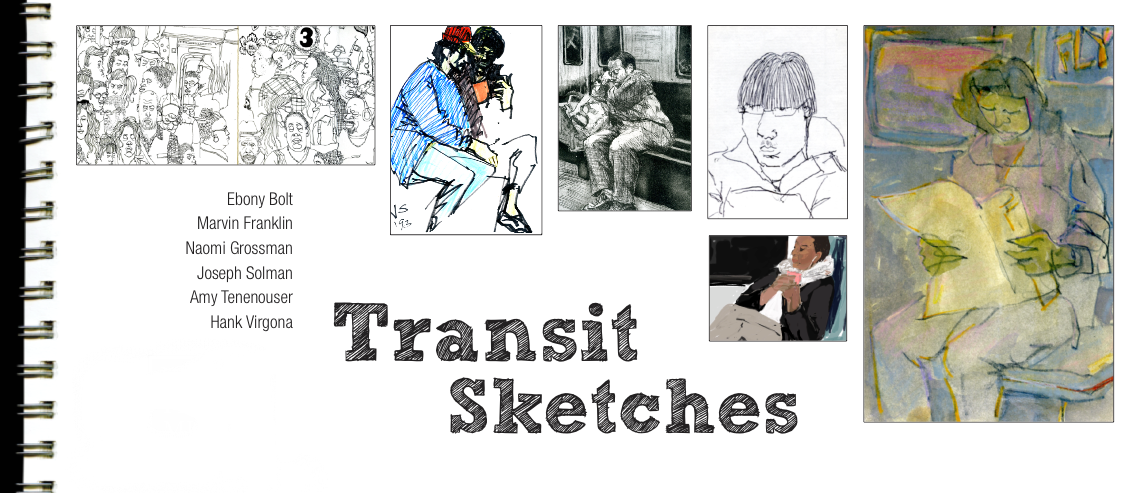
It is not uncommon to witness artists sketching while commuting on mass transportation, passing the time and honing their skills. In New York City, subway riders provide an endless parade of figures and characters for sketchers who are quick enough to compose a portrait before their subject moves on.
Join the New York Transit Museum and artist Amy Tenenouser for a digital discussion of her work.
Transit Sketches is an exhibition currently on view at the Museum’s Grand Central Terminal Gallery Annex, and features work by six artists – Ebony Bolt, Marvin Franklin, Naomi Grossman, Joseph Solman, Amy Tenenouser, and Hank Virgona – who spent years filling sketchbooks during train rides across the city and the region.
Limited spots available! RSVP here >
Free Online Discussion
Virtual

Behind the Scenes: Curator Talk – Streetscapes and Subways: Photographs by Pierre P. and Granville W. Pullis

-

Ever wonder how curators select images for photography exhibitions? Curious to learn more about the Pullis brothers themselves?
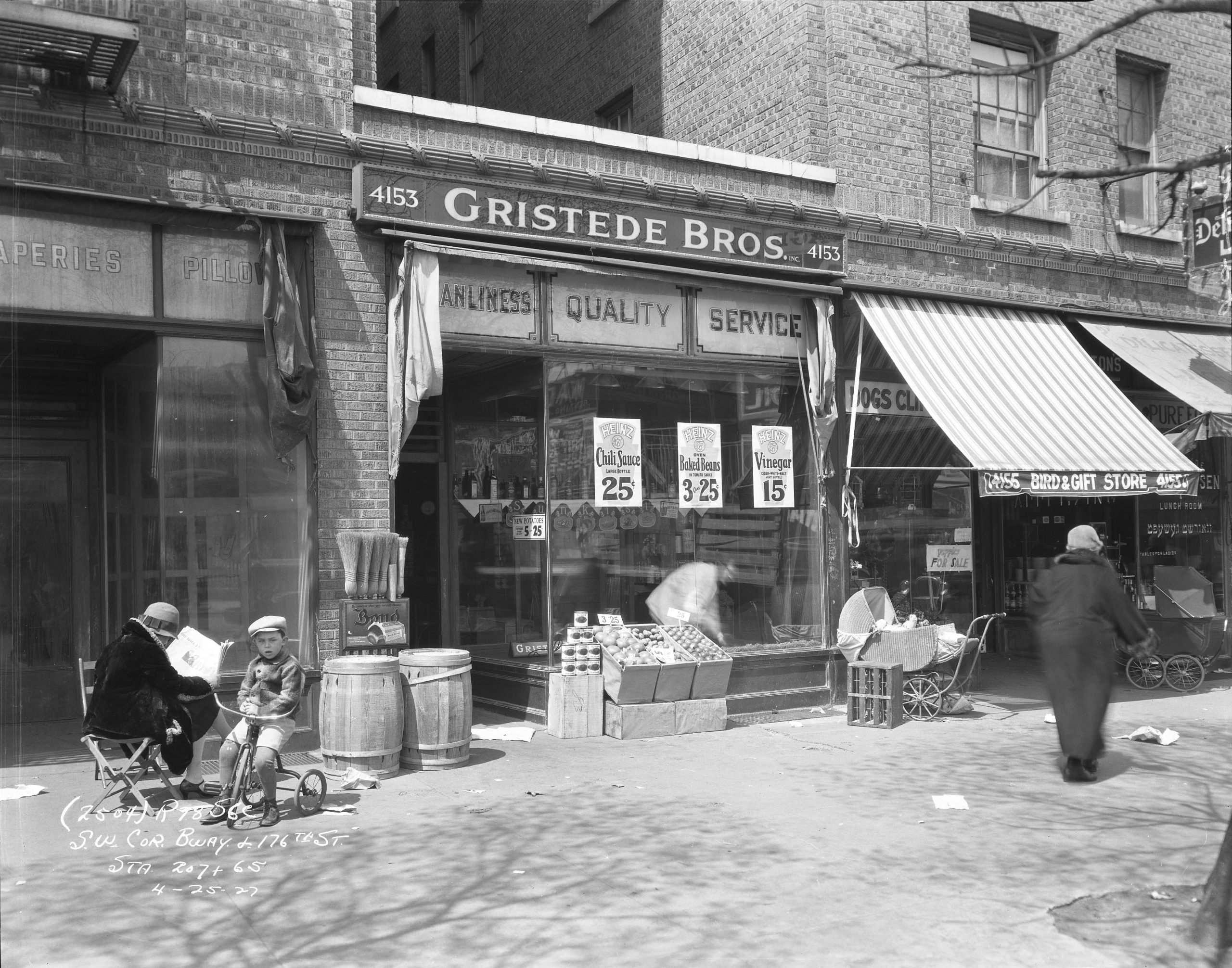
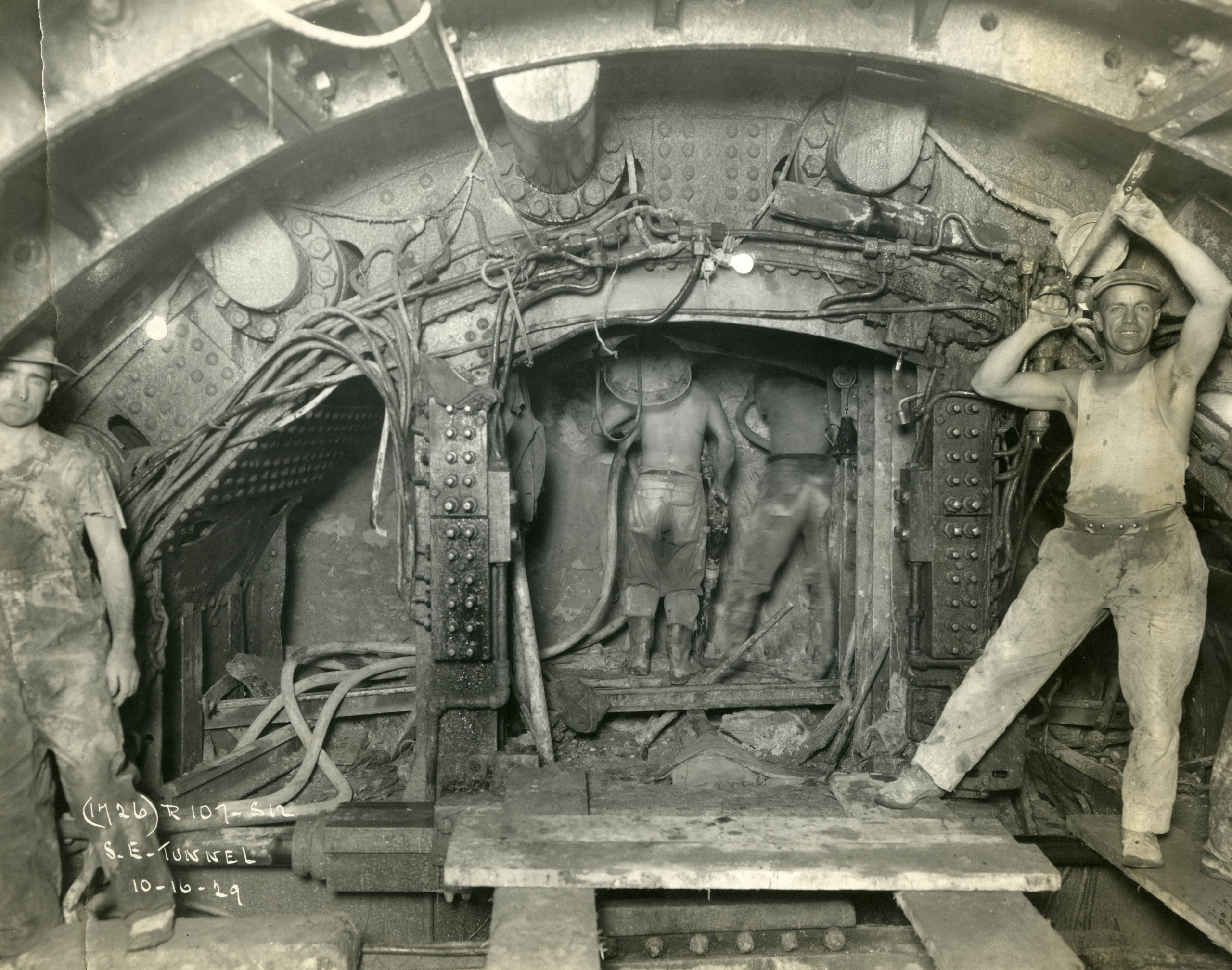
If so, join Associate Curator Jodi Shapiro for a special behind the scenes curator talk on Streetscapes & Subways: Photographs by Pierre P. and Granville W. Pullis , an exhibition that provides a rare view of the last days of “old New York” through the lenses of two of the earliest photographers of subway construction. Together, we will take a deep dive into the image selection process, learn fun facts about the Pullis brothers and additional details about their unique photographic process that ultimately revealed the architectural and cultural details of a city that would otherwise be long forgotten.
Limited spots available! RSVP here >
$10
Virtual

Digital Discussion: Streetscapes and Subways: Photographs by Pierre P. and Granville W. Pullis – Members Only

-

As New York’s subway system was being planned at the turn of the 20th century, transit officials did what any large construction company would do today: hired an official photographer to take survey photographs and provide precise documentation of an area prior to—and during—construction.
Join Associate Curator Jodi Shapiro for a digital discussion of Streetscapes & Subways: Photographs by Pierre P. and Granville W. Pullis , an exhibition that provides a rare view of the last days of “old New York” through the lenses of two of the earliest photographers of subway construction. The photographs transcend their original purpose, showing New York changing daily as a result of the subway and revealing architectural and cultural details of a city that would otherwise be long forgotten.
Limited spots available! RSVP here >
Free Online Discussion
Virtual

Digital Discussion – Manners Matter: Courtesy Campaigns

-

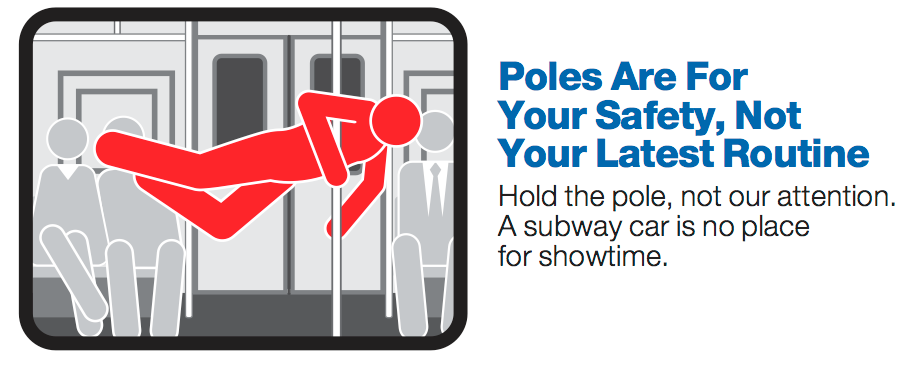
Courtesy is a word that is increasingly becoming synonymous with expected behavior while riding public transportation. In New York City, courtesy campaigns have been implemented from the 1940s to the present day with the “Courtesy Counts!” campaign, in order to convince riders that manners matter.
Join Museum Educator Delia Ramos for a digital discussion about the evolution of courtesy campaigns in New York City’s subway system, and explore the various characters and catch phrases used in these campaigns. 
Limited spots available! RSVP here >
Free Online Discussion
Virtual

Digital Discussion: Symbol of New York: Grand Central

-

New Yorkers in the early 1900s saw their city as the new cultural and commercial capital, deserving of a majestic landmark. The vibrant City Beautiful movement, meanwhile, promoted architectural excellence. Grand Central Terminal satisfied both desires, invigorating midtown Manhattan and transforming regional transportation.
Join Museum Educator Joe Hartman for a digital discussion on the evolution of Grand Central Terminal. Explore how it was constructed in stages to serve the demands of the city’s expanding population and how the grandeur and opulence of its architecture has continued to attract travelers and sightseers alike.
Limited spots available! RSVP here >
Free Online Discussion
Virtual

Digital Discussion: Streetscapes and Subways: Photographs by Pierre P. and Granville W. Pullis

-

As New York’s subway system was being planned at the turn of the 20th century, transit officials did what any large construction company would do today: hired an official photographer to take survey photographs and provide precise documentation of an area prior to—and during—construction.
Join Associate Curator Jodi Shapiro for a digital discussion of Streetscapes & Subways: Photographs by Pierre P. and Granville W. Pullis , an exhibition that provides a rare view of the last days of “old New York” through the lenses of two of the earliest photographers of subway construction. The photographs transcend their original purpose, showing New York changing daily as a result of the subway and revealing architectural and cultural details of a city that would otherwise be long forgotten.
Limited spots available! RSVP here >
Free Online Discussion
Virtual

Digital Discussion: Elevated Railways – Members Only

-

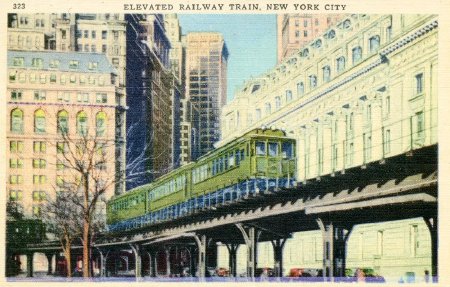
Before the current subway system in New York City was constructed, there were elevated railways. Now considered a beloved relic of the past, Els were built to ease the overcrowding in what is known as Lower Manhattan today, while simultaneously expanding the city outward to the other boroughs. The elevated lines along Ninth, Sixth, Third, and Second Avenues eased congestion and added new development, ultimately changing the geography of New York City.
Join Archivist Katherine Sorresso for a digital discussion that explores the evolution of New York City’s elevated subways from a solution to – literally—get transportation off the ground, to their eventual decline due to the construction and rapid expansion of the subterranean subway.
Limited spots available! RSVP here >

Free Online Discussion
Virtual

Digital Discussion: Superstorm Sandy

-

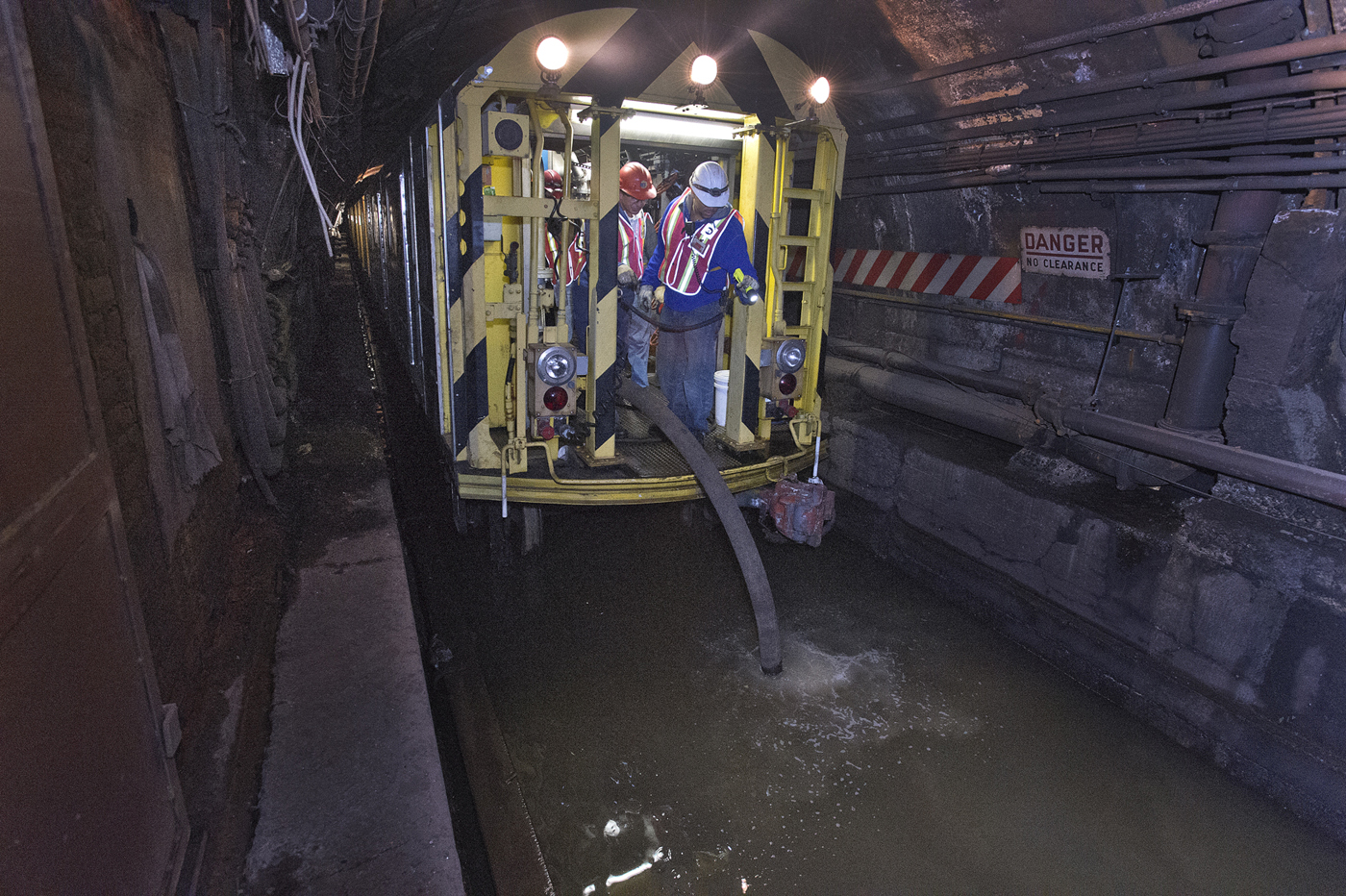
In October 2012, Superstorm Sandy made landfall on the East Coast. The storm caused record breaking water surges and had devastating, long-lasting impacts on New York City’s transportation system. The MTA had to move quickly to get the system that moves millions of people back up and running.
Join Museum Educator Kate Lanceley for a digital discussion about the impact of Superstorm Sandy on the city’s subway system. Learn about what the MTA has done to repair the damage from the storm and the measures being taken to be prepared for the future.
Limited spots available! RSVP here >

Free Online Discussion
Virtual

Digital Discussion – Manners Matter: Courtesy Campaigns

-

Courtesy is a word that is increasingly becoming synonymous with expected behavior while riding public transportation. In New York City, courtesy campaigns have been implemented from the 1940s to the present day with the “Courtesy Counts!” campaign, in order to convince riders that manners matter.
Join Museum Educator Delia Ramos for a digital discussion about the evolution of courtesy campaigns in New York City’s subway system, and explore the various characters and catch phrases used in these campaigns. 
Limited spots available! RSVP here >

Free Online Discussion
Virtual

Digital Discussion: Streetscapes and Subways: Photographs by Pierre P. and Granville W. Pullis

-

As New York’s subway system was being planned at the turn of the 20th century, transit officials did what any large construction company would do today: hired an official photographer to take survey photographs and provide precise documentation of an area prior to—and during—construction.
Join Associate Curator Jodi Shapiro for a digital discussion of Streetscapes & Subways: Photographs by Pierre P. and Granville W. Pullis , an exhibition that provides a rare view of the last days of “old New York” through the lenses of two of the earliest photographers of subway construction. The photographs transcend their original purpose, showing New York changing daily as a result of the subway and revealing architectural and cultural details of a city that would otherwise be long forgotten.
Limited spots available! RSVP here >

Free Online Discussion
Virtual

Digital Discussion: Superstorm Sandy

-

In October 2012, Superstorm Sandy made landfall on the East Coast. The storm caused record breaking water surges and had devastating, long-lasting impacts on New York City’s transportation system. The MTA had to move quickly to get the system that moves millions of people back up and running.
Join Museum Educator Kate Lanceley for a digital discussion about the impact of Superstorm Sandy on the city’s subway system. Learn about what the MTA has done to repair the damage from the storm and the measures being taken to be prepared for the future.
Limited spots available! RSVP here >

Free Online Discussion
Virtual

Digital Discussion: Elevated Railways

-

Before the current subway system in New York City was constructed, there were elevated railways. Now considered a beloved relic of the past, Els were built to ease the overcrowding in what is known as Lower Manhattan today, while simultaneously expanding the city outward to the other boroughs. The elevated lines along Ninth, Sixth, Third, and Second Avenues eased congestion and added new development, ultimately changing the geography of New York City.
Join Archivist Katherine Sorresso for a digital discussion that explores the evolution of New York City’s elevated subways from a solution to – literally—get transportation off the ground, to their eventual decline due to the construction and rapid expansion of the subterranean subway.
Limited spots available! RSVP here >

Free Online Discussion
Virtual

Digital Discussion – Horsepower: Sanitation and Transportation in Early New York City

-

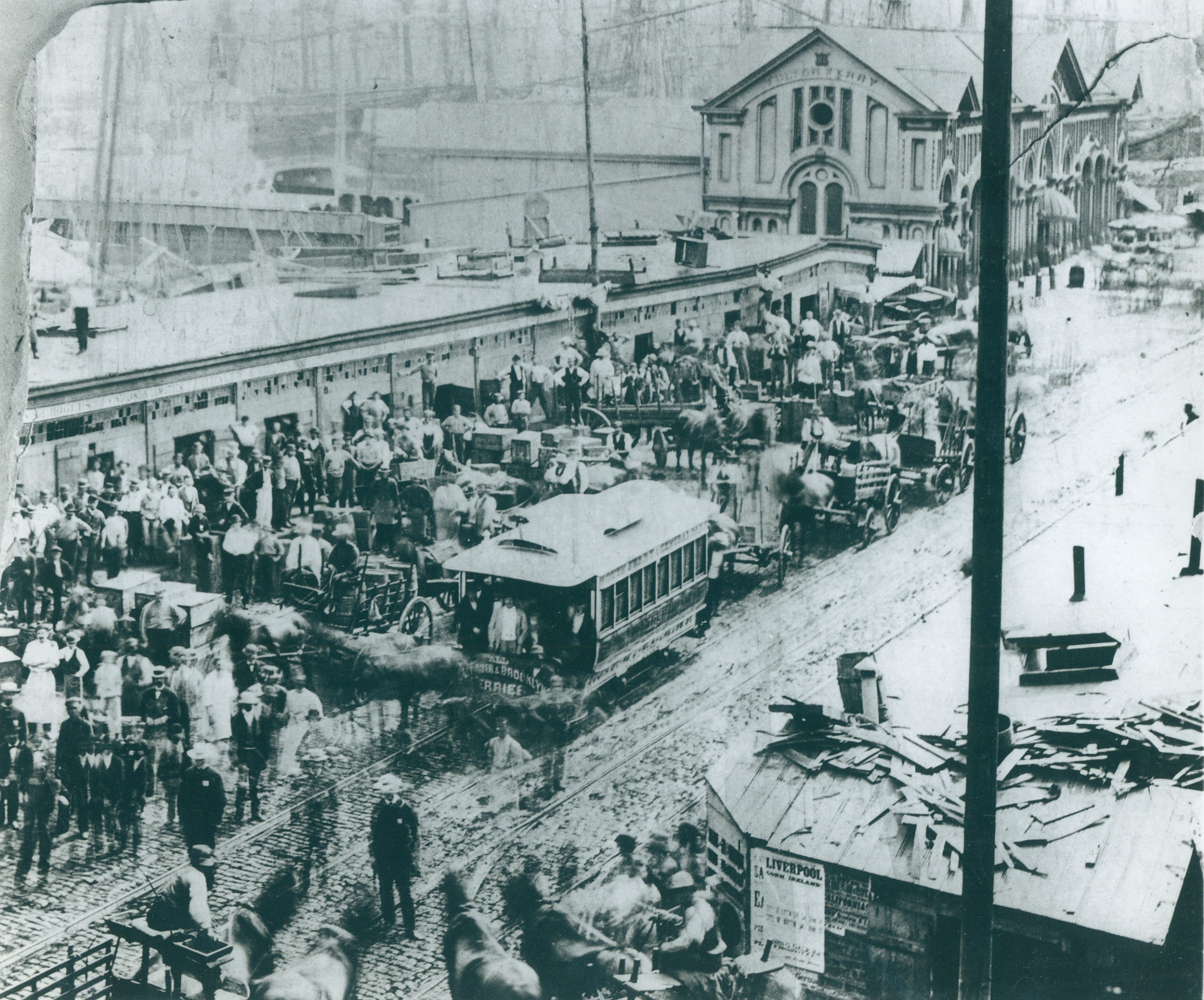
American cities were full of horses in the 1800s. Not only were they the motive power for tranportation, they also moved freight, construction materials, and even powered boats. As the earliest form of city transit, omnibuses and horsecars were particularly numerous in Manhattan, whose streets were filled with many lines that carried thousands of people per day. As more people began to move to the New York area in search of a better life, the waste generated by horses as well as humans reached a critical mass and resulted in health problems for animals and people alike. 
Join Associate Curator Jodi Shapiro and Pratt Institute Professor and environmental historian Carl A. Zimring for a digital discussion about the intricate relationship between horses, sanitation and transportation in New York City. Learn about the overall impact of horses as the dominant mode of transportation in the 1800s, the increase of the wave of epidemics in the United States and the unintentional consequences of transitioning from horsepower and fossil fuels. 
Limited spots available! RSVP here >

$10
Virtual