Digital Discussion: Tunnels

-

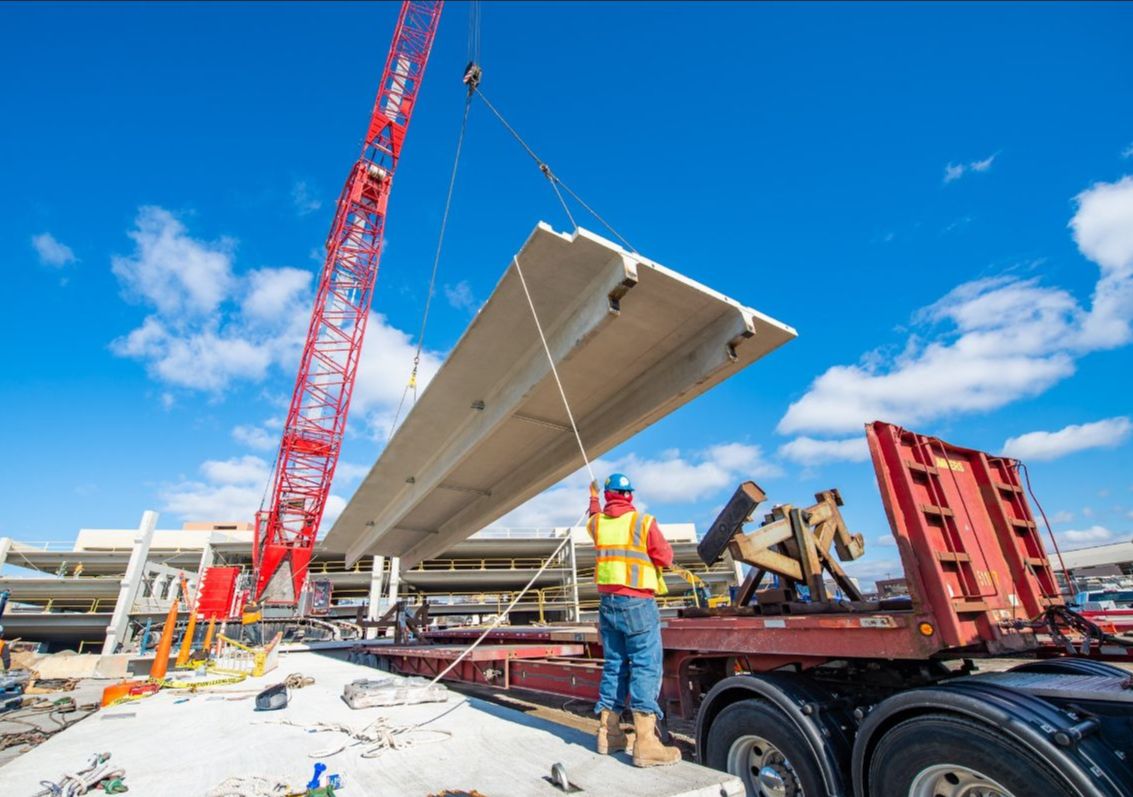
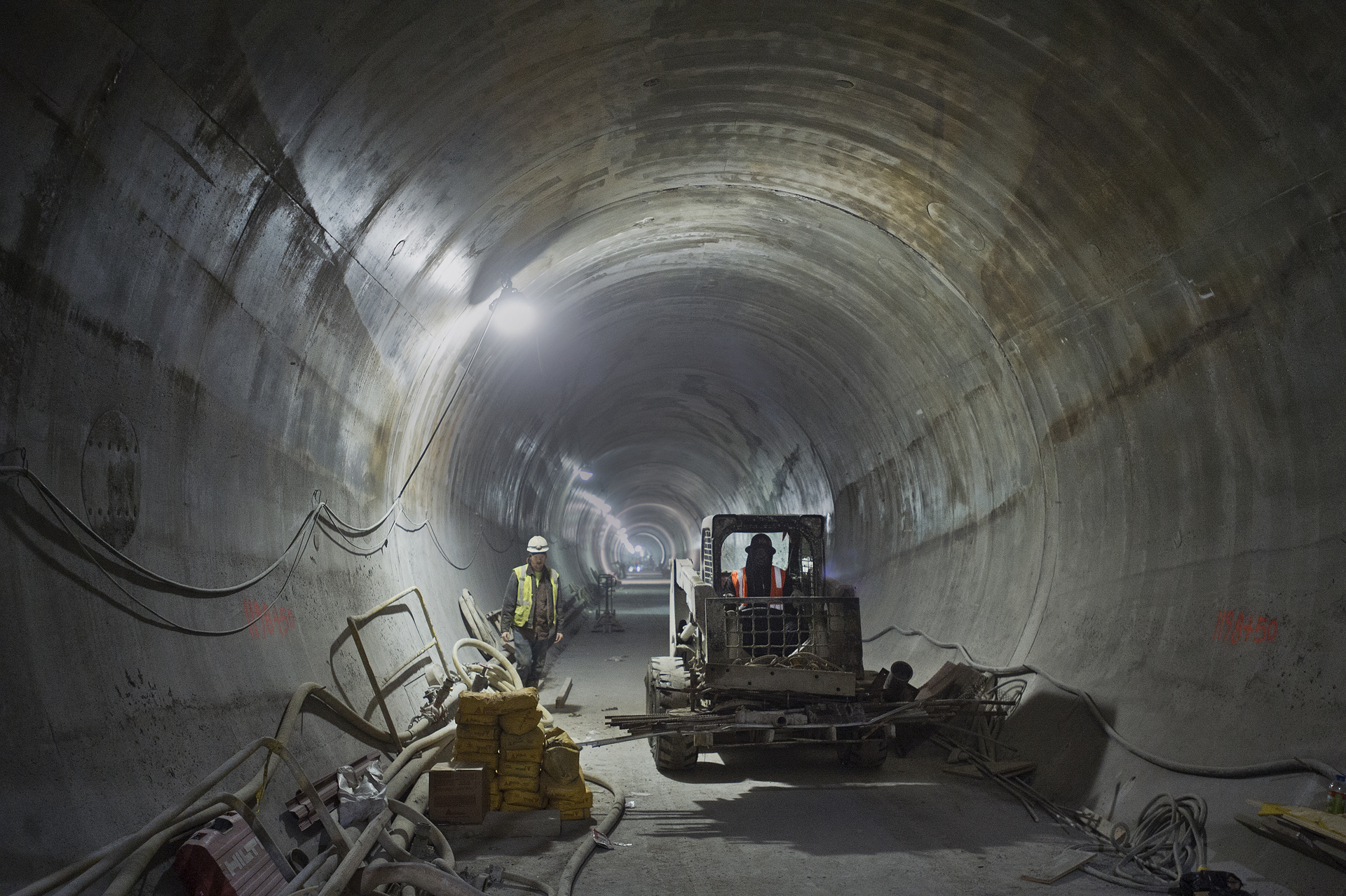
A network of tunnels runs under the streets and rivers of New York City, providing transportation across the boroughs without adding to the congestion of neighborhoods up above. Tunnel construction requires tremendous manpower and engineering feats, and has changed over time. Explore how the landscape of New York City has impacted tunnel construction and learn about different methods of building, such as cut and cover, under water, and deep rock tunneling, used during early construction, and tunnel boring machines that were introduced more recently. 
Join Educator Roberto Chavez to explore the fascinating stories of tunnels in New York City and learn about some of the people behind their creation.
Limited spots available! RSVP here >

Free Online Discussion
Virtual
Digital Discussion: Minutes to Midtown: Long Island City- Members Only

-

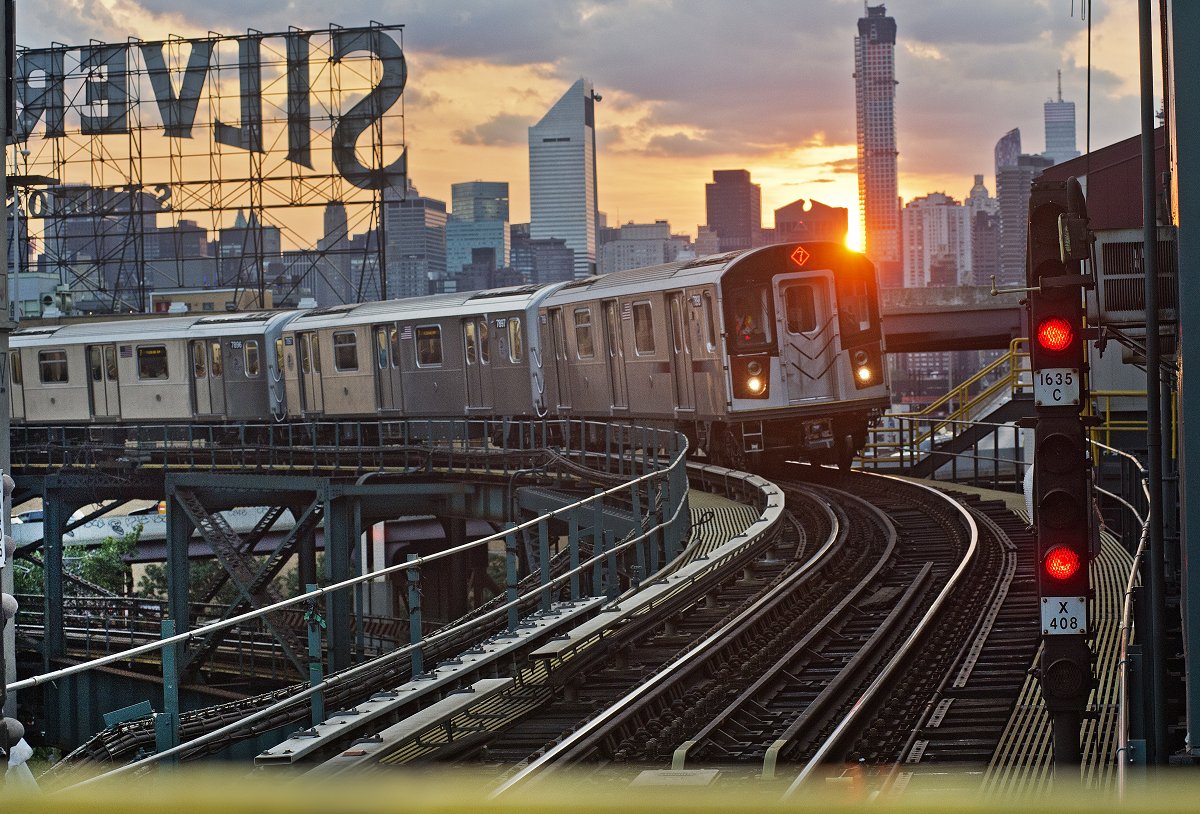
The construction of the Interborough Rapid Transit (IRT) Flushing line, originally known as the Corona Line but known to most as the 7 train, sparked a real estate boom that transformed the mostly rural areas of Queens into vibrant neighborhoods- even prior to its opening in 1915. One of these neighborhoods, Long Island City, began, like most of Queens, as a collection of farms. The political and financial backing that came with Queens’ consolidation into New York City in 1898 supported long-imagined and much-needed infrastructure projects, such as the opening of the Queensboro Bridge in 1909 and of the Steinway Tunnels in 1915.
Join Associate Curator Jodi Shapiro for a digital discussion tracing more than 100 years of history of the first subway line in Queens. Together, we will explore the impact of the IRT Flushing Line on the development of the Long Island City, Queens and highlight its key role in the economic and social development of New York City.
Limited spots available! RSVP here >

Free Online Discussion
Virtual

Virtual Transit Walk: The International Express – Flushing, Queens

-

Explore the rich history of New York City, past and present, one neighborhood at a time.  Through the lens of transportation, discover new places, share stories, and connect with communities. Join Senior Museum Educator Katherine Reeves at the end of the 7 line, the ‘International Express’, in Flushing, Queens, for a virtual transit walk and explore this vibrant neighborhood.
BUY TICKETS

$10
Virtual

Digital Discussion: Anatomy of a Powerhouse: Electrifying the Els

-

At the turn of the 20th century, the construction of the 74th Street Powerhouse ushered in a new era that enabled the transition from steam locomotives to cleaner electric trains, fundamentally improving conditions in New York City. Before the switch, smoke, cinders and soot from steam-powered elevated trains plagued Manhattan, blackening the air and dirtying the streets. The New York Transit Museum exhibition, Anatomy of a Powerhouse: Powering the Els, highlighted a fascinating series of photographs that revealed the staggering scale of the 74th Street Powerhouse, offering a rare glimpse into early transit history in New York and the immense power required to move Manhattan’s entire elevated railway system.
Join Collections Manager Desiree Alden-Gonzalez for a digital discussion that showcases the construction and early operations of the 74th Street Powerhouse with black and white photographs from the Museum’s archival collection and celebrates the massive building and powerful machinery that revolutionized elevated transit in New York City.
Limited spots available! RSVP here >

Free Online Discussion
Virtual

Digital Discussion: Sustainability

-

With millions of riders on mass transit each day, people move throughout the region with fewer cars and reduced greenhouse gas emissions.  The MTA is committed to sustainable public transportation by increasing the energy efficiency of its fleet and facilities, and reducing the region’s carbon footprint. LEED® certified facilities include Fulton Center, the first New York City subway hub to receive a LEED® rating for sustainability and design, Mother Clara Hale Bus Depot in Harlem.
Join Educator Danaleah Schoenfuss for a digital discussion to celebrate Earth Day throughout April, and explore the sustainability and history of mass transit.
Limited spots available! RSVP here >

Free Online Discussion
Virtual

Digital Discussion: Minutes to Midtown: Long Island City

-

The construction of the Interborough Rapid Transit (IRT) Flushing line, originally known as the Corona Line but known to most as the 7 train, sparked a real estate boom that transformed the mostly rural areas of Queens into vibrant neighborhoods- even prior to its opening in 1915. One of these neighborhoods, Long Island City, began, like most of Queens, as a collection of farms. The political and financial backing that came with Queens’ consolidation into New York City in 1898 supported long-imagined and much-needed infrastructure projects, such as the opening of the Queensboro Bridge in 1909 and of the Steinway Tunnels in 1915.
Join Associate Curator Jodi Shapiro for a digital discussion tracing more than 100 years of history of the first subway line in Queens. Together, we will explore the impact of the IRT Flushing Line on the development of the Long Island City, Queens and highlight its key role in the economic and social development of New York City.
Limited spots available! RSVP here >

Free Online Discussion
Virtual

Digital Discussion: Immigration and Transportation

-

During the 19th and early 20th centuries, immigrants from all over the world began to arrive in New York City.  Many of these immigrants found themselves living in crowded and dangerous conditions in lower Manhattan, signaling that the city desperately needed to grow and expand. It was the evolving transportation system that eventually made this possible.
Join Museum Educator Kate Lanceley for a digital discussion focusing on the waves of immigrants that arrived in New York City from the early 19th century onward and the crucial role they played in constructing New York’s transportation system, the very transportation system that enabled these immigrants to spread out and populate the city and in effect, create the New York City of today.
Limited spots available! RSVP here >

Free Online Discussion
Virtual

Digital Discussion: Minutes to Midtown: Long Island City

-

The construction of the Interborough Rapid Transit (IRT) Flushing line, originally known as the Corona Line but known to most as the 7 train, sparked a real estate boom that transformed the mostly rural areas of Queens into vibrant neighborhoods- even prior to its opening in 1915. One of these neighborhoods, Long Island City, began, like most of Queens, as a collection of farms. The political and financial backing that came with Queens’ consolidation into New York City in 1898 supported long-imagined and much-needed infrastructure projects, such as the opening of the Queensboro Bridge in 1909 and of the Steinway Tunnels in 1915.
Join Associate Curator Jodi Shapiro for a digital discussion tracing more than 100 years of history of the first subway line in Queens. Together, we will explore the impact of the IRT Flushing Line on the development of the Long Island City, Queens and highlight its key role in the economic and social development of New York City.
Limited spots available! RSVP here >

Free Online Discussion
Virtual

Digital Discussion: Tunnels

-

A network of tunnels runs under the streets and rivers of New York City, providing transportation across the boroughs without adding to the congestion of neighborhoods up above. Tunnel construction requires tremendous manpower and engineering feats, and has changed over time. Explore how the landscape of New York City has impacted tunnel construction and learn about different methods of building, such as cut and cover, under water, and deep rock tunneling, used during early construction, and tunnel boring machines that were introduced more recently. 
Join Educator Roberto Chavez to explore the fascinating stories of tunnels in New York City and learn about some of the people behind their creation.
Limited spots available! RSVP here >

Free Online Discussion
Virtual
Digital Discussion: Immigration and Transportation

-

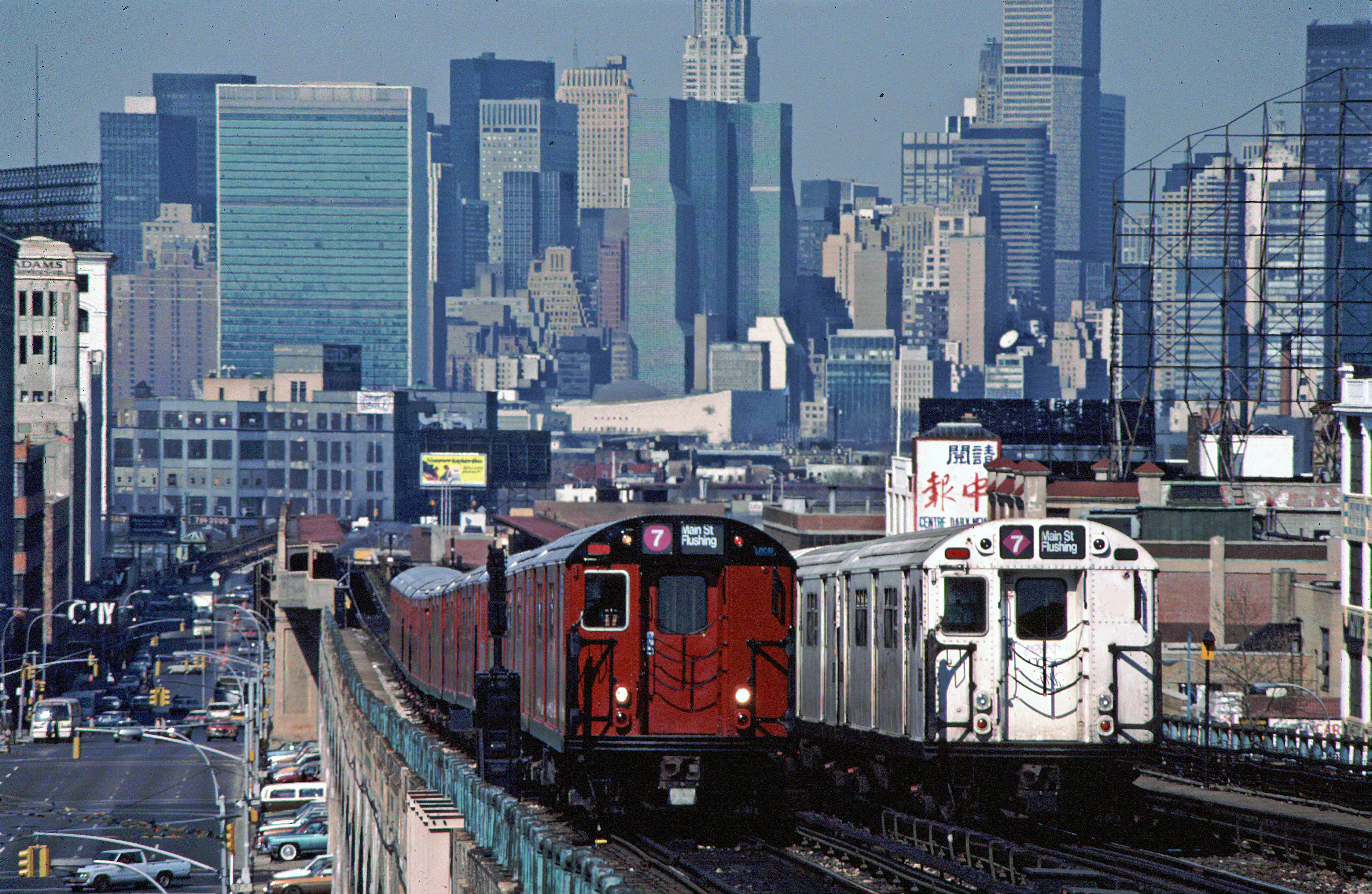
During the 19th and early 20th centuries, immigrants from all over the world began to arrive in New York City.  Many of these immigrants found themselves living in crowded and dangerous conditions in lower Manhattan, signaling that the city desperately needed to grow and expand. It was the evolving transportation system that eventually made this possible.
Join Museum Educator Kate Lanceley for a digital discussion focusing on the waves of immigrants that arrived in New York City from the early 19th century onward and the crucial role they played in constructing New York’s transportation system, the very transportation system that enabled these immigrants to spread out and populate the city and in effect, create the New York City of today.
Limited spots available! RSVP here >

Free Online Discussion
Virtual
Digital Discussion: Making Modern Maps – Members Only

-

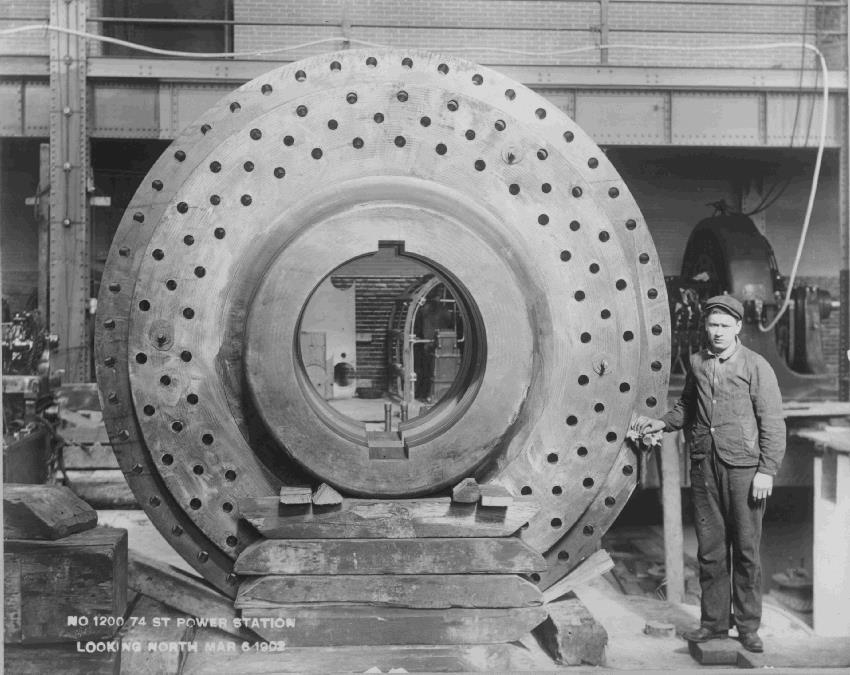
Transportation maps for the New York region evolved gradually -- helping riders navigate the region and marketing mass transit as a modern, desirable choice for commuters. Even as the system grew more complex after the consolidation of the private and public subway systems in 1940, mapmakers experimented with different styles and colors to simplify the most significant information for quick comprehension.
Join Curator Kathleen Hulser for a digital discussion on the journey to create a modern transportation map for New York. Learn how innovations in map design and communications in the 1950s and beyond enabled transportation maps to take on a brighter, cleaner look.
Limited spots available! RSVP here >

Free Online Discussion
Virtual
Digital Discussion: Early Subway Innovators

-

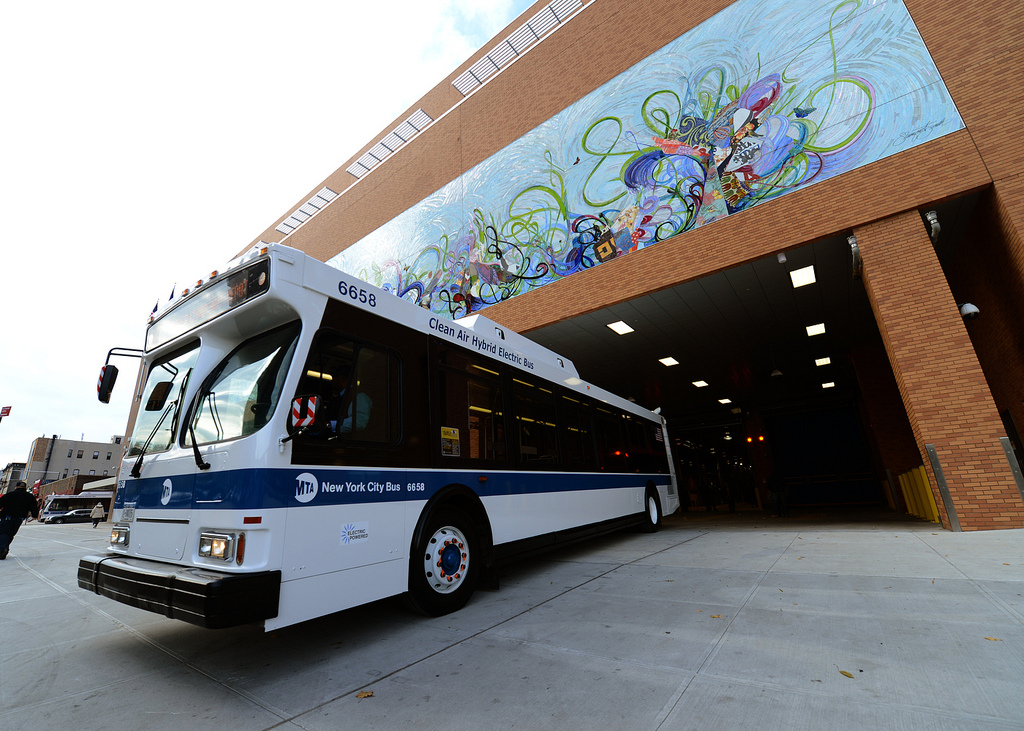
Early planning and building of New York City’s first subway line was no easy feat. Each inventor, financier, politician, and builder faced immense hurdles and difficulties in trying to get these massive projects in motion.
Join Museum Educator Sonya Ochshorn for a digital discussion to explore early subway planning and building while learning about extraordinary individuals, such as William Barclay Parsons, George Westinghouse, Frank Sprague, and Granville T. Woods, whose business savvy and innovation were essential in the groundbreaking of the largest mass transportation system in the United States.
Limited spots available! RSVP here >

Free Online Discussion
Virtual
Digital Discussion: Transit Sketches with Naomi Grossman

-

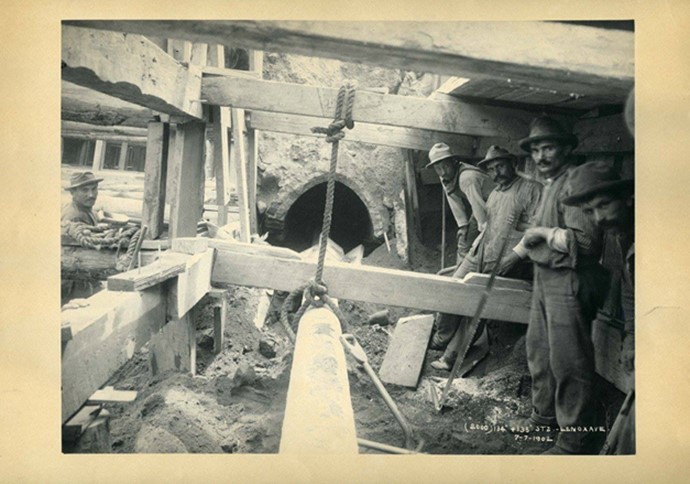
It is not uncommon to witness artists sketching while commuting on mass transportation, passing the time and honing their skills. In New York City, subway riders provide an endless parade of figures and characters for sketchers who are quick enough to compose a portrait before their subject moves on.
Join the New York Transit Museum and artist Naomi Grossman for a digital discussion of her work.
Transit Sketches is an exhibition currently on view at the Museum’s Grand Central Terminal Gallery Annex, and features work by six artists – Ebony Bolt, Marvin Franklin, Naomi Grossman, Joseph Solman, Amy Tenenouser, and Hank Virgona – who spent years filling sketchbooks during train rides across the city and the region.
Limited spots available! RSVP here >

Free Online Discussion
Virtual
Digital Discussion: Immigration and Transportation

-

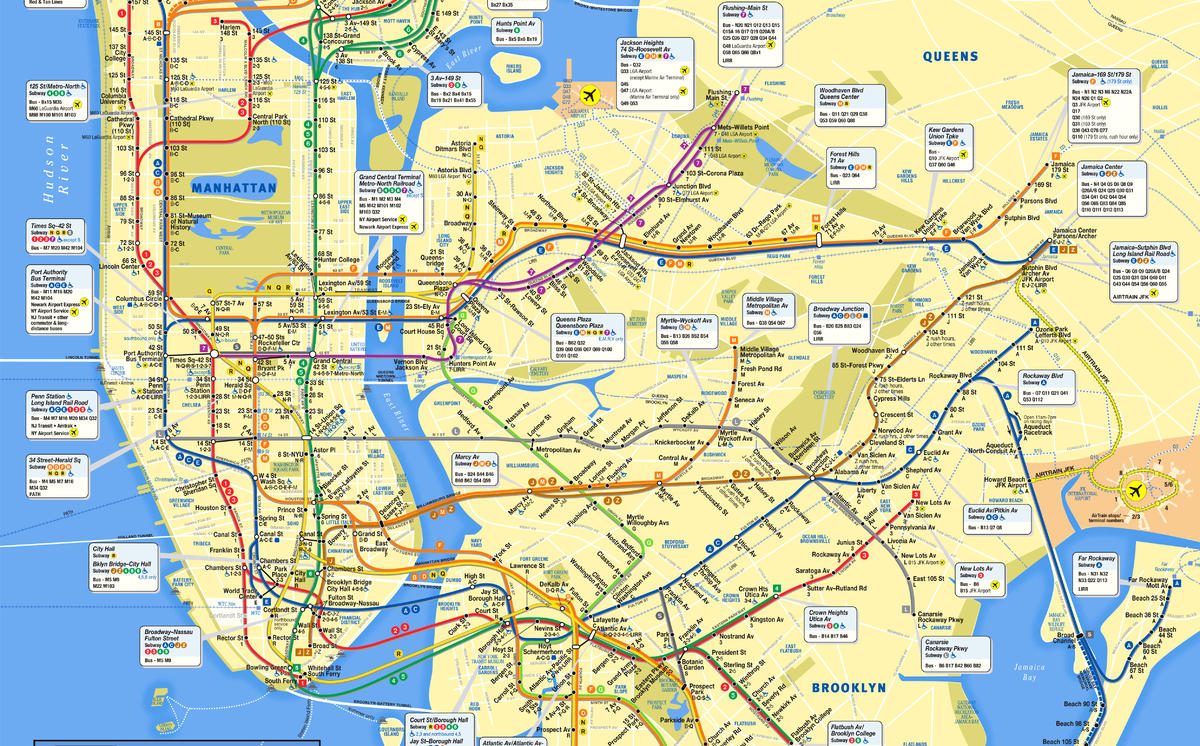
During the 19th and early 20th centuries, immigrants from all over the world began to arrive in New York City.  Many of these immigrants found themselves living in crowded and dangerous conditions in lower Manhattan, signaling that the city desperately needed to grow and expand. It was the evolving transportation system that eventually made this possible.
Join Museum Educator Kate Lanceley for a digital discussion focusing on the waves of immigrants that arrived in New York City from the early 19th century onward and the crucial role they played in constructing New York’s transportation system, the very transportation system that enabled these immigrants to spread out and populate the city and in effect, create the New York City of today. RSVP >
 

Free Online Discussion
Virtual
Digital Discussion: Making Modern Maps

-

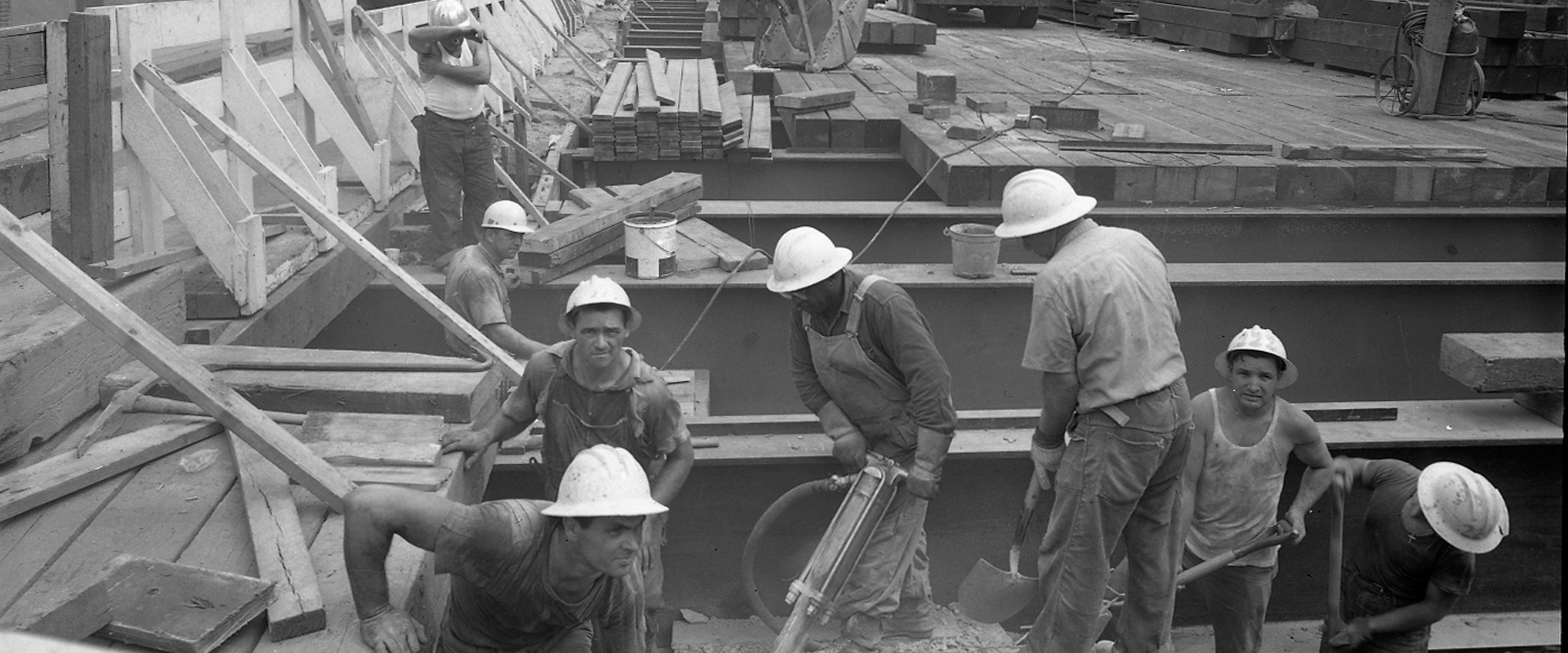
Transportation maps for the New York region evolved gradually -- helping riders navigate the region and marketing mass transit as a modern, desirable choice for commuters. Even as the system grew more complex after the consolidation of the private and public subway systems in 1940, mapmakers experimented with different styles and colors to simplify the most significant information for quick comprehension.
Join Curator Kathleen Hulser for a digital discussion on the journey to create a modern transportation map for New York. Learn how innovations in map design and communications in the 1950s and beyond enabled transportation maps to take on a brighter, cleaner look.
Limited spots available! RSVP here >

Free Online Discussion
Virtual
Digital Discussion: LIRR Third Track Program

-

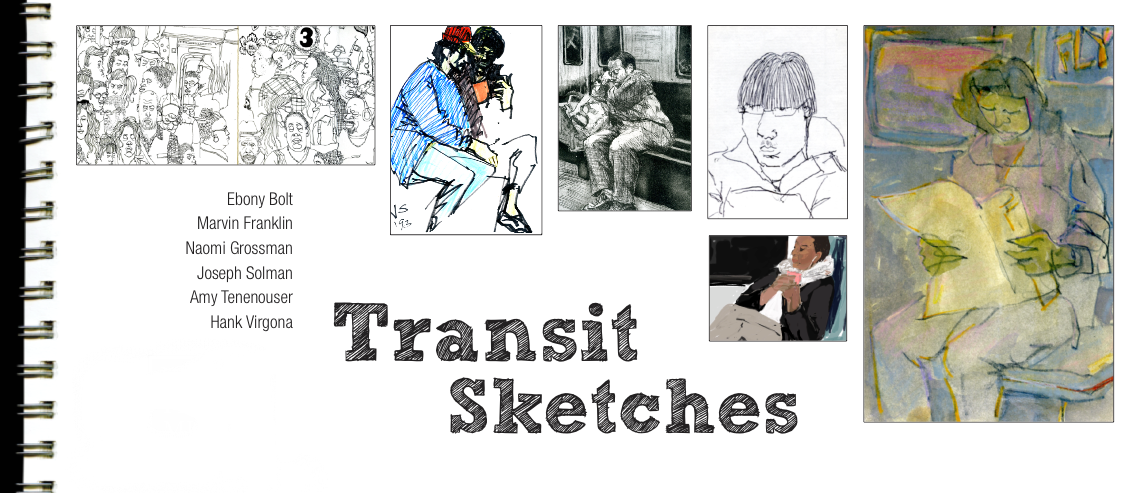
The Long Island Rail Road is the oldest commuter rail system in the United States. While there are several distinct routes and branches, the center route is referred to as the Main Line. The LIRR Expansion Project is a $2 billion initiative to add a third track to a 9.8-mile section of the Main Line route between Floral Park and Hicksville.
The Third Track project seeks to decrease congestion, increase efficiency, improve safety and enhance quality of life for adjacent communities.
The Transit Museum is pleased to welcome Leslie Mesnick and Louise Calfiero of The Calladium Group for an overview of the expansion project, ongoing construction and major milestones of the project.
Limited spots available! RSVP here >

$10
Virtual