
Digital Discussion: Early Subway Innovators

-

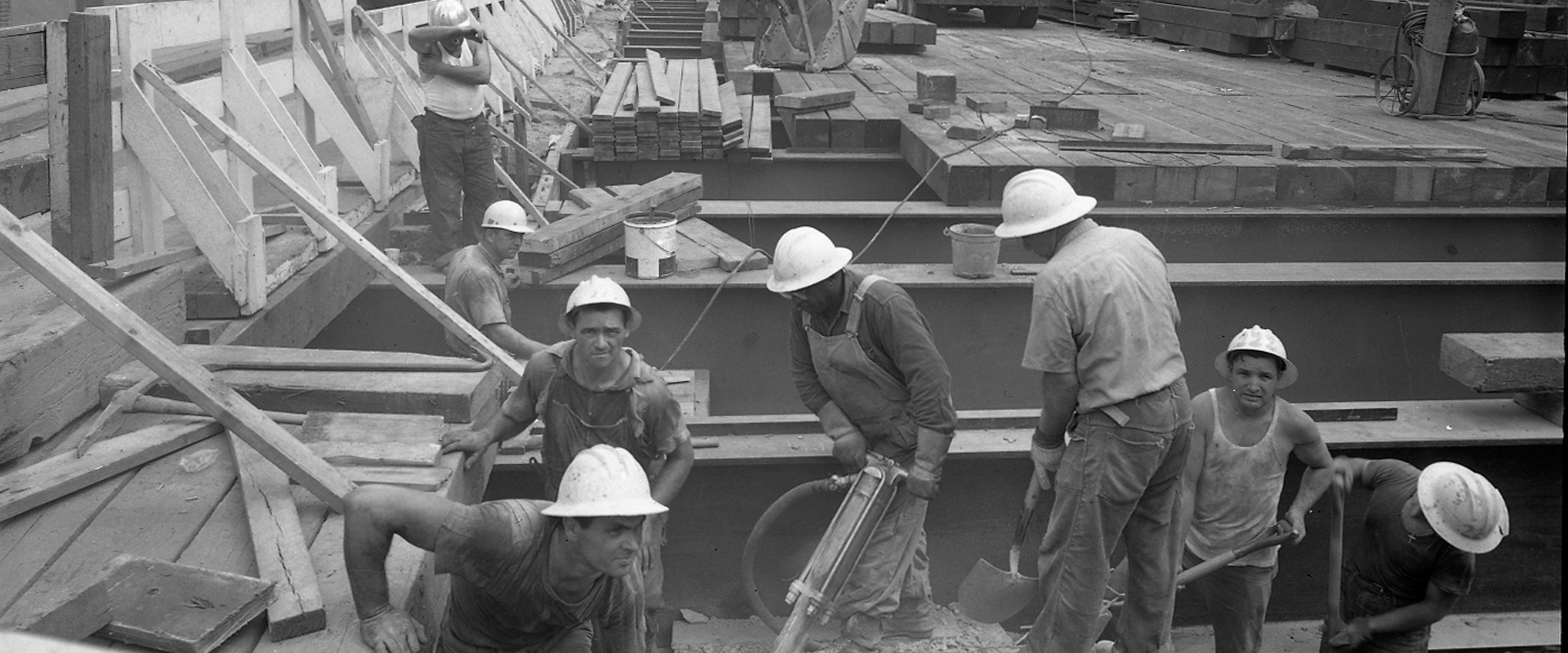
Early planning and building of New York City’s first subway line was no easy feat. Each inventor, financier, politician, and builder faced immense hurdles and difficulties in trying to get these massive projects in motion.
Join Museum Educator Sonya Ochshorn for a digital discussion to explore early subway planning and building while learning about extraordinary individuals, such as William Barclay Parsons, George Westinghouse, Frank Sprague, and Granville T. Woods, whose business savvy and innovation were essential in the groundbreaking of the largest mass transportation system in the United States.
Limited spots available! RSVP here >

Free Online Discussion
Virtual
Digital Discussion: The Evolution of Penn Station – Members Only

-

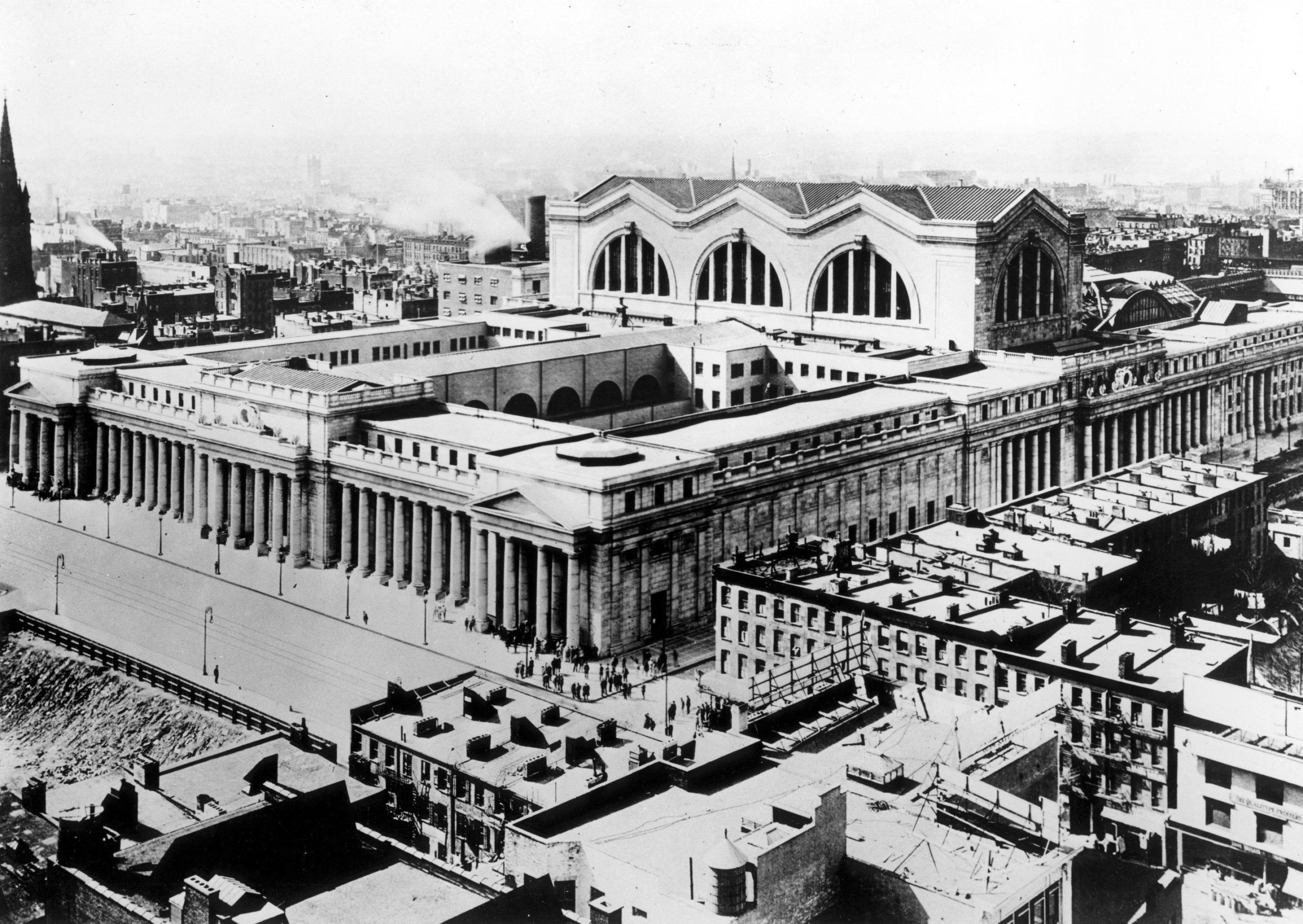
Before Penn Station was built on the west side of Manhattan, the only way for people to cross the Hudson River was by ferry. The Pennsylvania Railroad Company wanted to provide passengers a direct route to Manhattan from the south and set about to build a grand station occupying eight acres in midtown Manhattan. The original Penn Station opened in 1910 and was considered one of the great architectural works of New York City, as well as an engineering feat for its time.
Join Registrar Chelsea Reil for a digital discussion focused on Penn Station’s evolution from an architectural wonder to the ever-busy station it is today. Learn the ways Penn Station revolutionized long-distance travel in and out New York City and plans to rebuild the station to its original grandeur.
Limited spots available! RSVP here >

Free Online Discussion
Virtual

Digital Discussion: Early Subway Innovators

-

Early planning and building of New York City’s first subway line was no easy feat. Each inventor, financier, politician, and builder faced immense hurdles and difficulties in trying to get these massive projects in motion.
Join Museum Educator Sonya Ochshorn for a digital discussion to explore early subway planning and building while learning about extraordinary individuals, such as William Barclay Parsons, George Westinghouse, Frank Sprague, and Granville T. Woods, whose business savvy and innovation were essential in the groundbreaking of the largest mass transportation system in the United States.
Limited spots available! RSVP here >

Free Online Discussion
Virtual
Digital Discussion: Tokens and Turnstiles: Subway Fare through Time

-

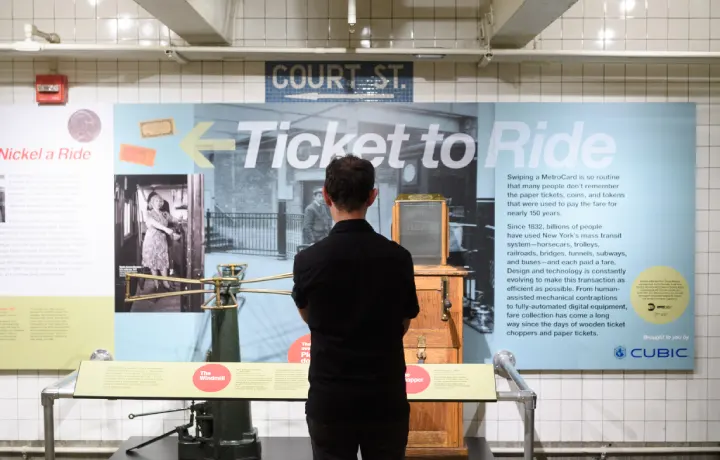
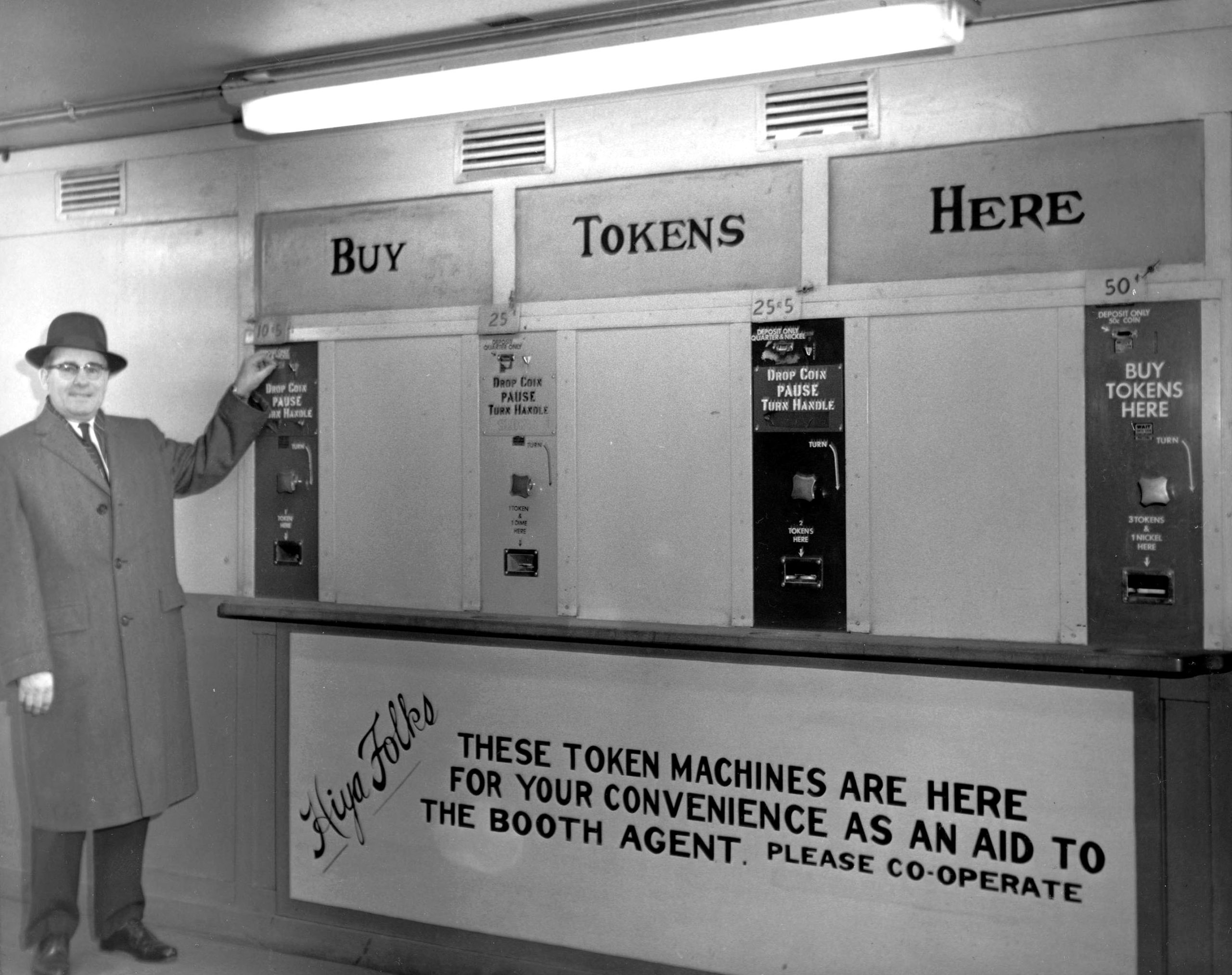
 Fare collection in New York City has changed significantly over time. From tickets, to nickels, to dimes, to tokens, to Metrocards, and into the future with OMNY, the way we have paid our fare to board public transit has been an evolving process.
Join Senior Education Coordinator, Cassie Wood-Triplett for a digital discussion focusing on the history of fare collection in New York City. Learn about the evolution from omnibus tickets to OMNY, how our city’s subway fare has always worked to be a fair price and what it means to be a one-fare system.
Limited spots available! RSVP here >

Free Online Discussion
Virtual
Digital Discussion: The Evolution of Penn Station

-

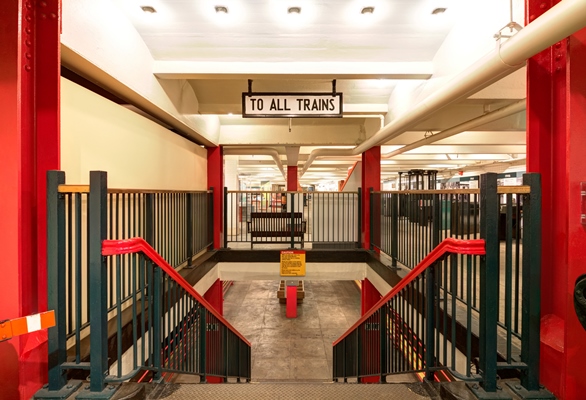
Before Penn Station was built on the west side of Manhattan, the only way for people to cross the Hudson River was by ferry. The Pennsylvania Railroad Company wanted to provide passengers a direct route to Manhattan from the south and set about to build a grand station occupying eight acres in midtown Manhattan. The original Penn Station opened in 1910 and was considered one of the great architectural works of New York City, as well as an engineering feat for its time.
Join Registrar Chelsea Reil for a digital discussion focused on Penn Station’s evolution from an architectural wonder to the ever-busy station it is today. Learn the ways Penn Station revolutionized long-distance travel in and out New York City and plans to rebuild the station to its original grandeur.
Limited spots available! RSVP here >

Free Online Discussion
Virtual
Digital Discussion: Making Modern Maps

-

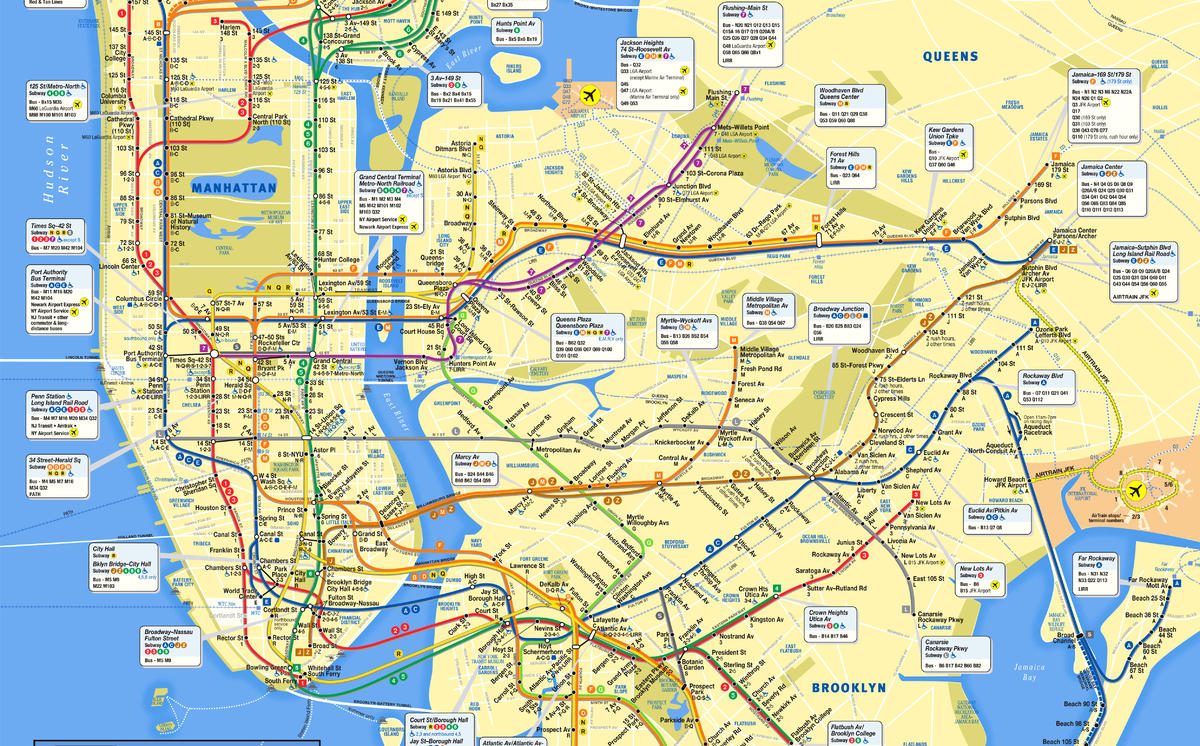
Transportation maps for the New York region evolved gradually -- helping riders navigate the region and marketing mass transit as a modern, desirable choice for commuters. Even as the system grew more complex after the consolidation of the private and public subway systems in 1940, mapmakers experimented with different styles and colors to simplify the most significant information for quick comprehension.
Join Curator Kathleen Hulser for a digital discussion on the journey to create a modern transportation map for New York. Learn how innovations in map design and communications in the 1950s and beyond enabled transportation maps to take on a brighter, cleaner look.
Limited spots available! RSVP here >

Free Online Discussion
Virtual
Digital Discussion: Tokens and Turnstiles: Subway Fare through Time

-

 Fare collection in New York City has changed significantly over time. From tickets, to nickels, to dimes, to tokens, to Metrocards, and into the future with OMNY, the way we have paid our fare to board public transit has been an evolving process.
Join Senior Education Coordinator, Cassie Wood-Triplett for a digital discussion focusing on the history of fare collection in New York City. Learn about the evolution from omnibus tickets to OMNY, how our city’s subway fare has always worked to be a fair price and what it means to be a one-fare system.
Limited spots available! RSVP here >

Free Online Discussion
Virtual
Digital Discussion: Symbol of New York: Grand Central

-

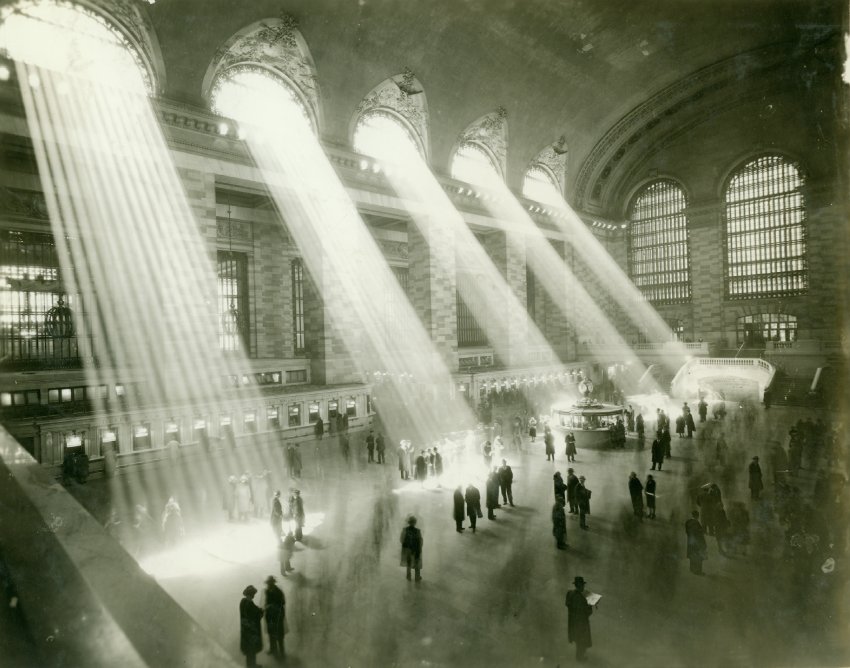
New Yorkers in the early 1900s saw their city as the new cultural and commercial capital, deserving of a majestic landmark. The vibrant City Beautiful movement, meanwhile, promoted architectural excellence. Grand Central Terminal satisfied both desires, invigorating midtown Manhattan and transforming regional transportation.
Join Museum Educator Joe Hartman for a digital discussion on the evolution of Grand Central Terminal. Explore how it was constructed in stages to serve the demands of the city’s expanding population and how the grandeur and opulence of its architecture has continued to attract travelers and sightseers alike.
Limited spots available! RSVP here >

Free Online Discussion
Virtual
Digital Discussion: The Evolution of Penn Station

-

Before Penn Station was built on the west side of Manhattan, the only way for people to cross the Hudson River was by ferry. The Pennsylvania Railroad Company wanted to provide passengers a direct route to Manhattan from the south and set about to build a grand station occupying eight acres in midtown Manhattan. The original Penn Station opened in 1910 and was considered one of the great architectural works of New York City, as well as an engineering feat for its time.
Join Registrar Chelsea Reil for a digital discussion focused on Penn Station’s evolution from an architectural wonder to the ever-busy station it is today. Learn the ways Penn Station revolutionized long-distance travel in and out New York City and plans to rebuild the station to its original grandeur.
Limited spots available! RSVP here >

Free Online Discussion
Virtual
Digital Discussion: Symbol of New York: Grand Central

-

New Yorkers in the early 1900s saw their city as the new cultural and commercial capital, deserving of a majestic landmark. The vibrant City Beautiful movement, meanwhile, promoted architectural excellence. Grand Central Terminal satisfied both desires, invigorating midtown Manhattan and transforming regional transportation.
Join Museum Educator Joe Hartman for a digital discussion on the evolution of Grand Central Terminal. Explore how it was constructed in stages to serve the demands of the city’s expanding population and how the grandeur and opulence of its architecture has continued to attract travelers and sightseers alike.
Limited spots available! RSVP here >

Free Online Discussion
Virtual
Digital Discussion: Transit Sketches with Amy Tenenouser

-

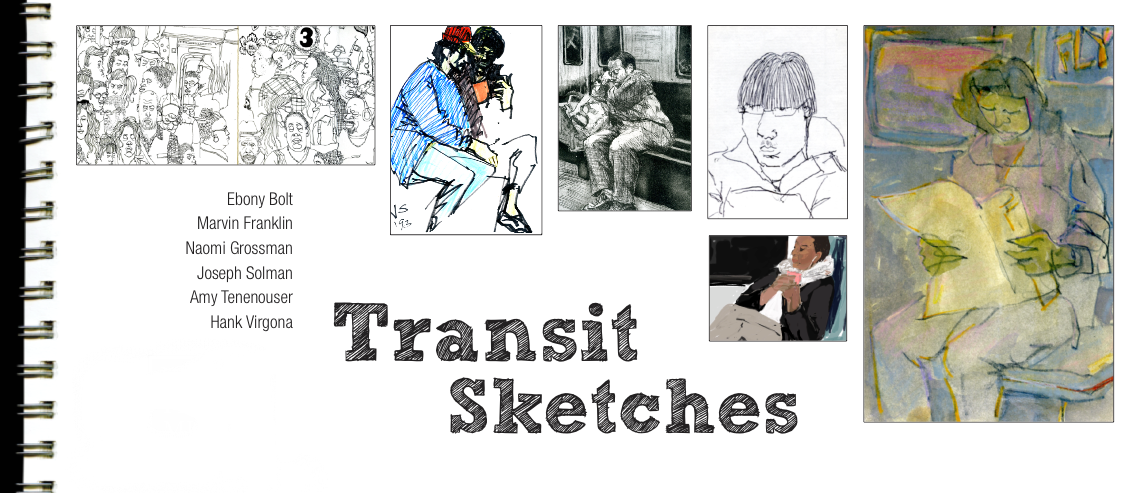
It is not uncommon to witness artists sketching while commuting on mass transportation, passing the time and honing their skills. In New York City, subway riders provide an endless parade of figures and characters for sketchers who are quick enough to compose a portrait before their subject moves on.
Join the New York Transit Museum and artist Amy Tenenouser for a digital discussion of her work.
Transit Sketches is an exhibition currently on view at the Museum’s Grand Central Terminal Gallery Annex, and features work by six artists – Ebony Bolt, Marvin Franklin, Naomi Grossman, Joseph Solman, Amy Tenenouser, and Hank Virgona – who spent years filling sketchbooks during train rides across the city and the region.
Limited spots available! RSVP here >

Free Online Discussion
Virtual

Behind the Scenes: Curator Talk – Streetscapes and Subways: Photographs by Pierre P. and Granville W. Pullis

-

Ever wonder how curators select images for photography exhibitions? Curious to learn more about the Pullis brothers themselves?
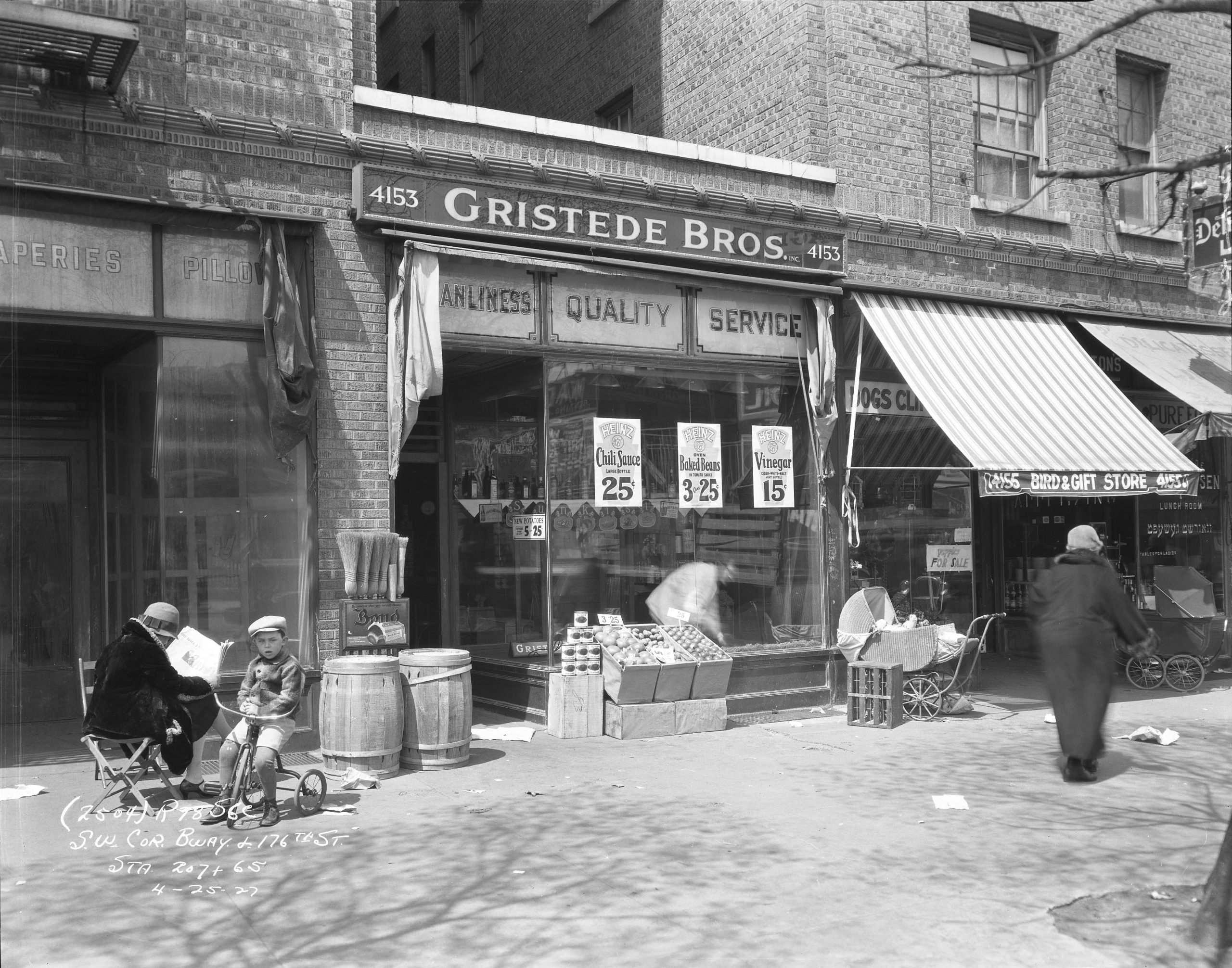
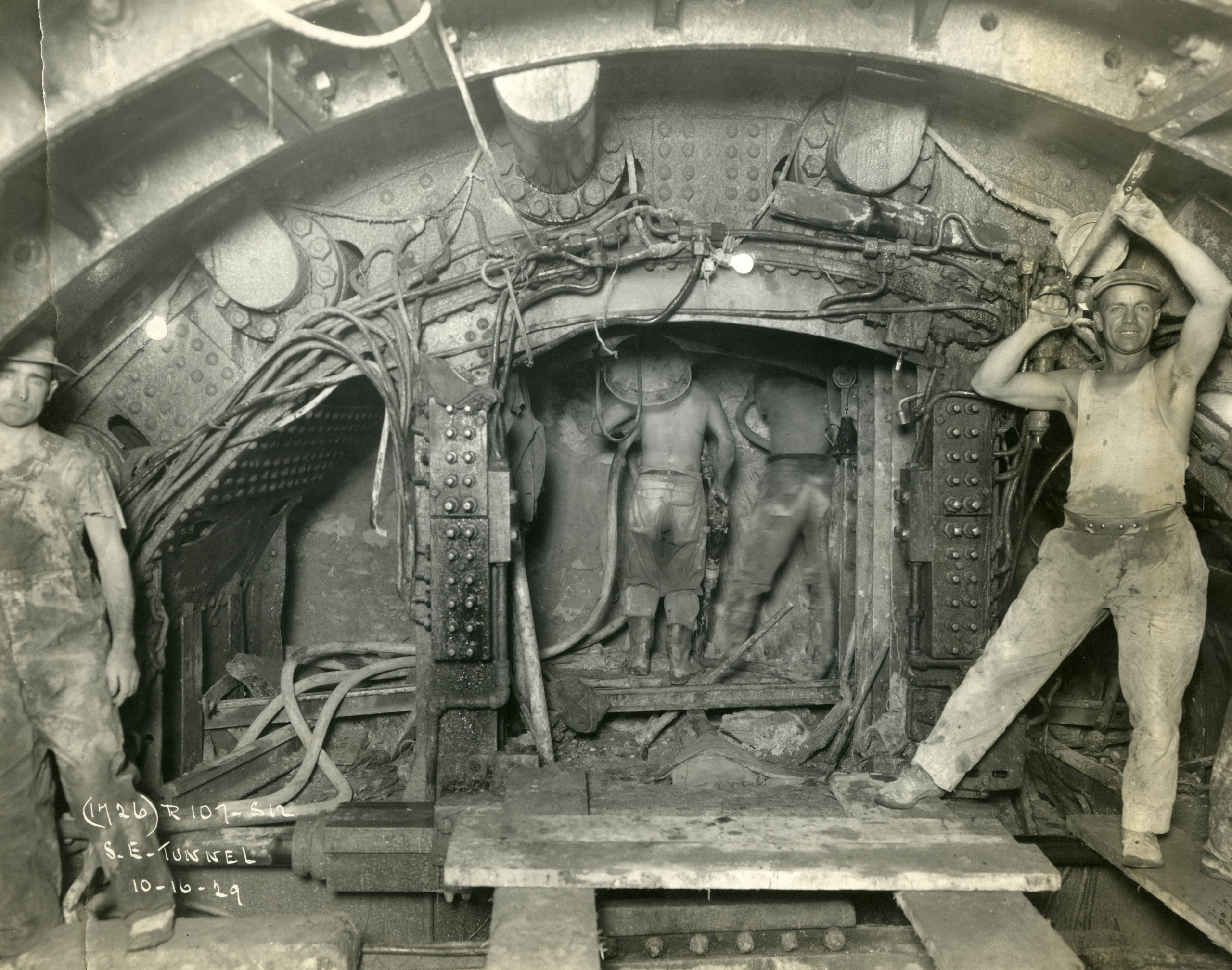
If so, join Associate Curator Jodi Shapiro for a special behind the scenes curator talk on Streetscapes & Subways: Photographs by Pierre P. and Granville W. Pullis , an exhibition that provides a rare view of the last days of “old New York” through the lenses of two of the earliest photographers of subway construction. Together, we will take a deep dive into the image selection process, learn fun facts about the Pullis brothers and additional details about their unique photographic process that ultimately revealed the architectural and cultural details of a city that would otherwise be long forgotten.
Limited spots available! RSVP here >

$10
Virtual

Digital Discussion: Streetscapes and Subways: Photographs by Pierre P. and Granville W. Pullis – Members Only

-

As New York’s subway system was being planned at the turn of the 20th century, transit officials did what any large construction company would do today: hired an official photographer to take survey photographs and provide precise documentation of an area prior to—and during—construction.
Join Associate Curator Jodi Shapiro for a digital discussion of Streetscapes & Subways: Photographs by Pierre P. and Granville W. Pullis , an exhibition that provides a rare view of the last days of “old New York” through the lenses of two of the earliest photographers of subway construction. The photographs transcend their original purpose, showing New York changing daily as a result of the subway and revealing architectural and cultural details of a city that would otherwise be long forgotten.
Limited spots available! RSVP here >

Free Online Discussion
Virtual

Digital Discussion – Manners Matter: Courtesy Campaigns

-

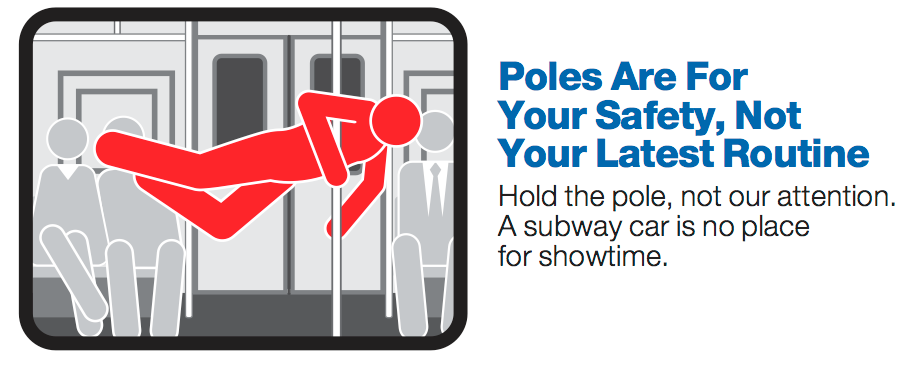
Courtesy is a word that is increasingly becoming synonymous with expected behavior while riding public transportation. In New York City, courtesy campaigns have been implemented from the 1940s to the present day with the “Courtesy Counts!” campaign, in order to convince riders that manners matter.
Join Museum Educator Delia Ramos for a digital discussion about the evolution of courtesy campaigns in New York City’s subway system, and explore the various characters and catch phrases used in these campaigns. 
Limited spots available! RSVP here >

Free Online Discussion
Virtual