End of the Year, End of an Era
R32 Farewell Trip
R32 subway cars are making their final trip, ending 58 years of service in New York City. Please join us to say farewell to this historic fleet.
End of the Year, End of an Era
R32 subway cars are making their final trip, ending 58 years of service in New York City. Please join us to say farewell to this historic fleet.
R32 Retirement Runs on the F/D Lines
Sundays, 10am to 5pm
December 19th and 26th, 2021 and January 2nd, 2022
Approximate Schedule for Sundays, December 19th, December 26th and January 2nd:
Final Farewell Run on the Q Line
Sunday, January 9th, 2022, 10am – 6:30pm
Approximate Schedule for Sunday, January 9th, 2022:
Route and schedule subject to change at the discretion of the train crew.
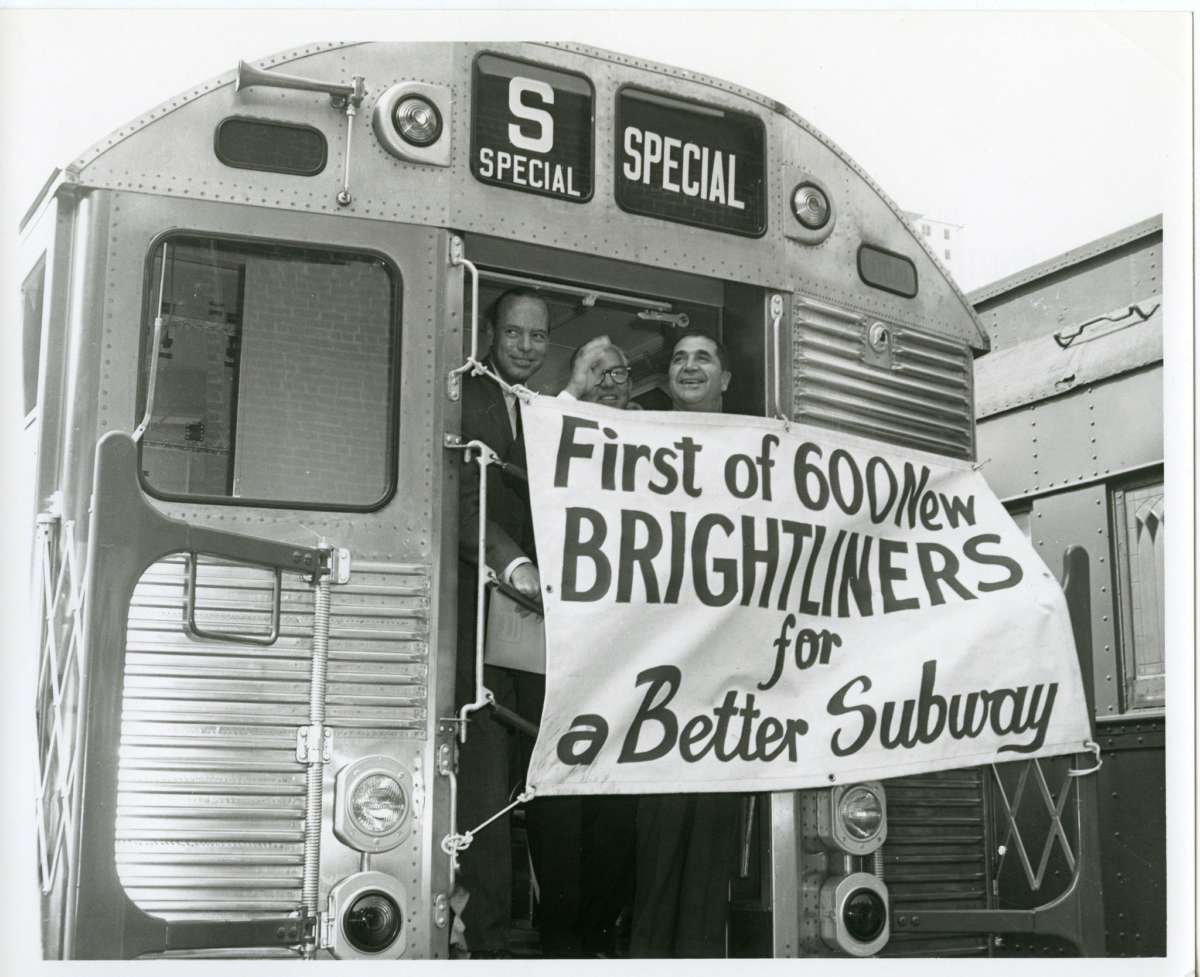
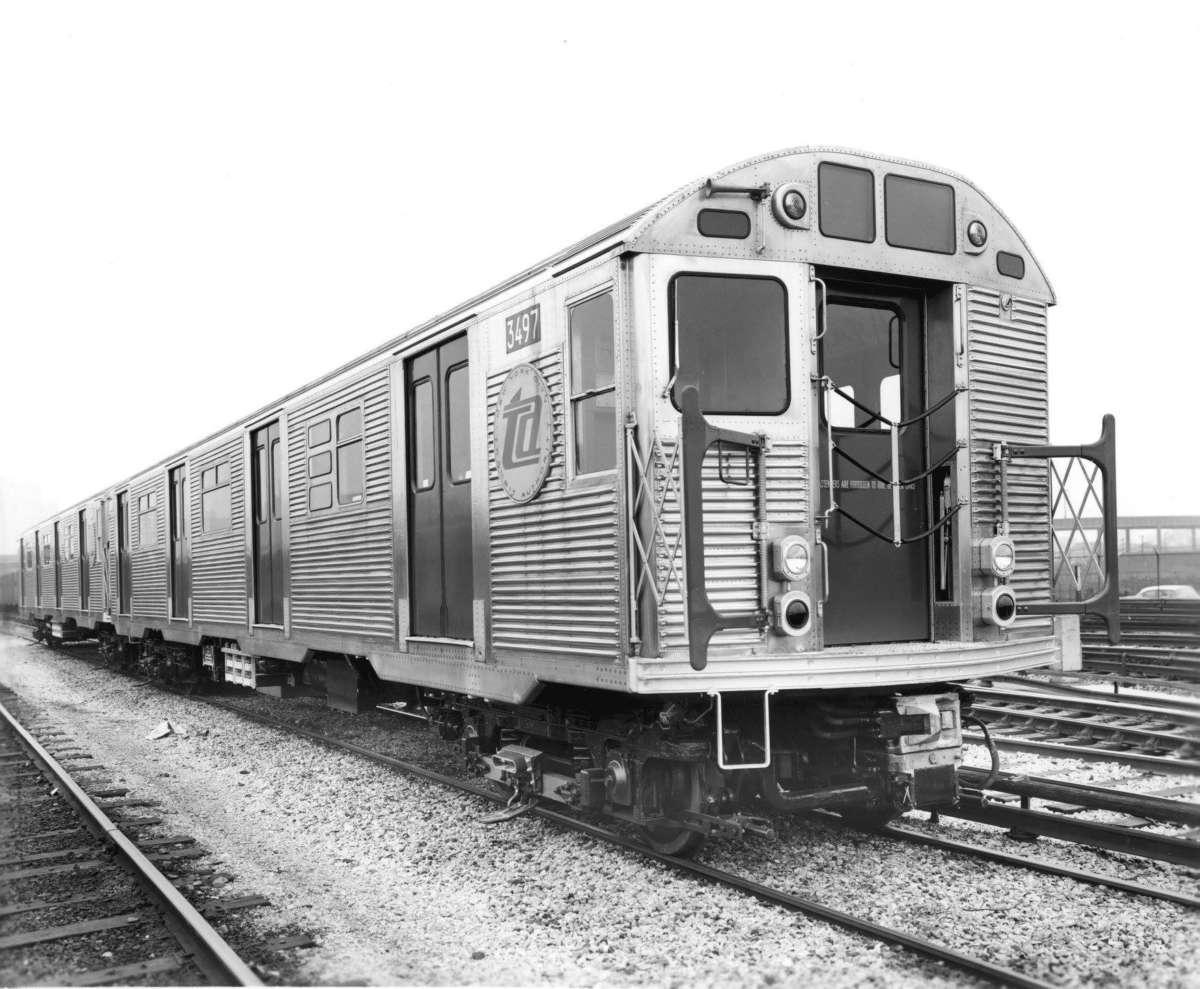
This subway car is one of 600 R32s that the Transit Authority purchased in 1964 as part of its continuing program to provide better service to the public. Known as the Brightliners, these cars were among 4,000 new cars added to the Authority’s fleet from 1953 to 1964 at a cost of $450 million ($4,661,612,359.55 in 2021 dollars.)
Each car cost $114,700 ($1,036,756.81 in 2021 dollars) and included state-of-the-art features for the comfort of passengers. These sturdy stainless steel cars were rebuilt in the 1980s as part of the General Overhaul Program. When the R160 cars were introduced in 2006, they supplanted most of the R32s. The remaining cars received a maintenance makeover in 2012.
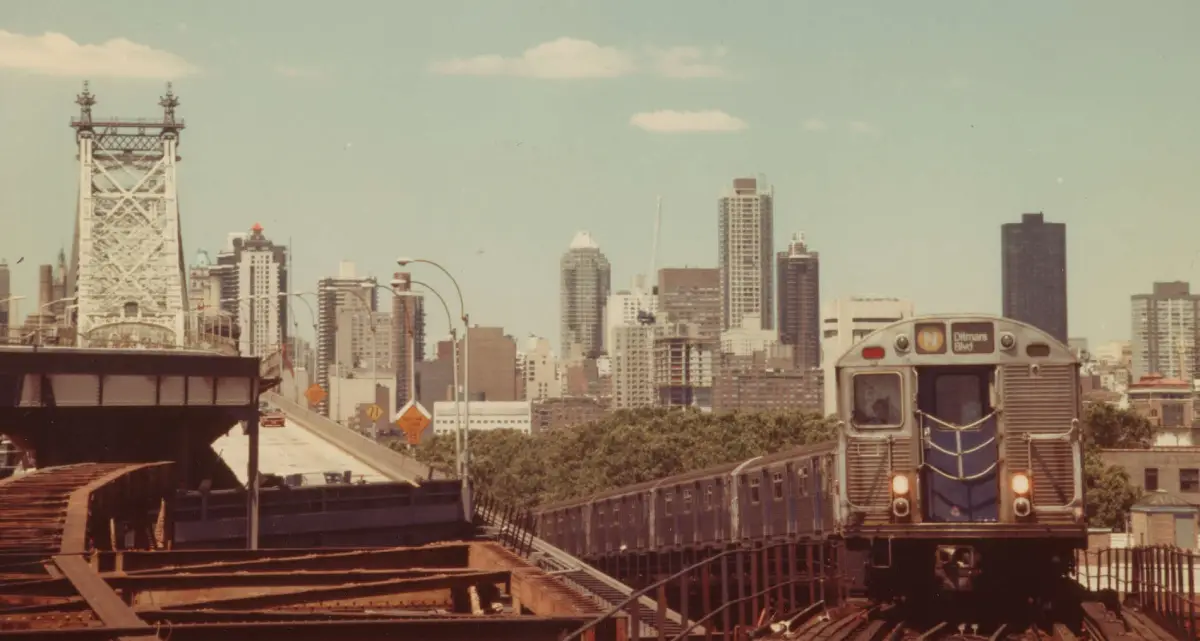
Much like the Redbirds that ran on IRT services, R32s served on many different lines – so if you rode the subway between 1964 and 2020, you probably spent some time on an R32. After 58 years of service (the second-longest service life in New York City subway history), it’s time to bid farewell to the beloved Brightliners.
Shop vintage TA logo t-shirts, pins, patches, cufflinks and more in the New York Transit Museum Store’s Nostalgia Collection!
The New York Transit Museum has preserved a pair of R32 cars, #3352 and #3353. This pair led the first train of R32s on the fleet’s ceremonial inaugural trip in 1964.
R32 cars are not currently on view at the Transit Museum. Plan your visit to explore more than twenty other vintage trains, representing more than a century of New York’s transit history.