VINTAGE FLEET

Meet the “Arnines”

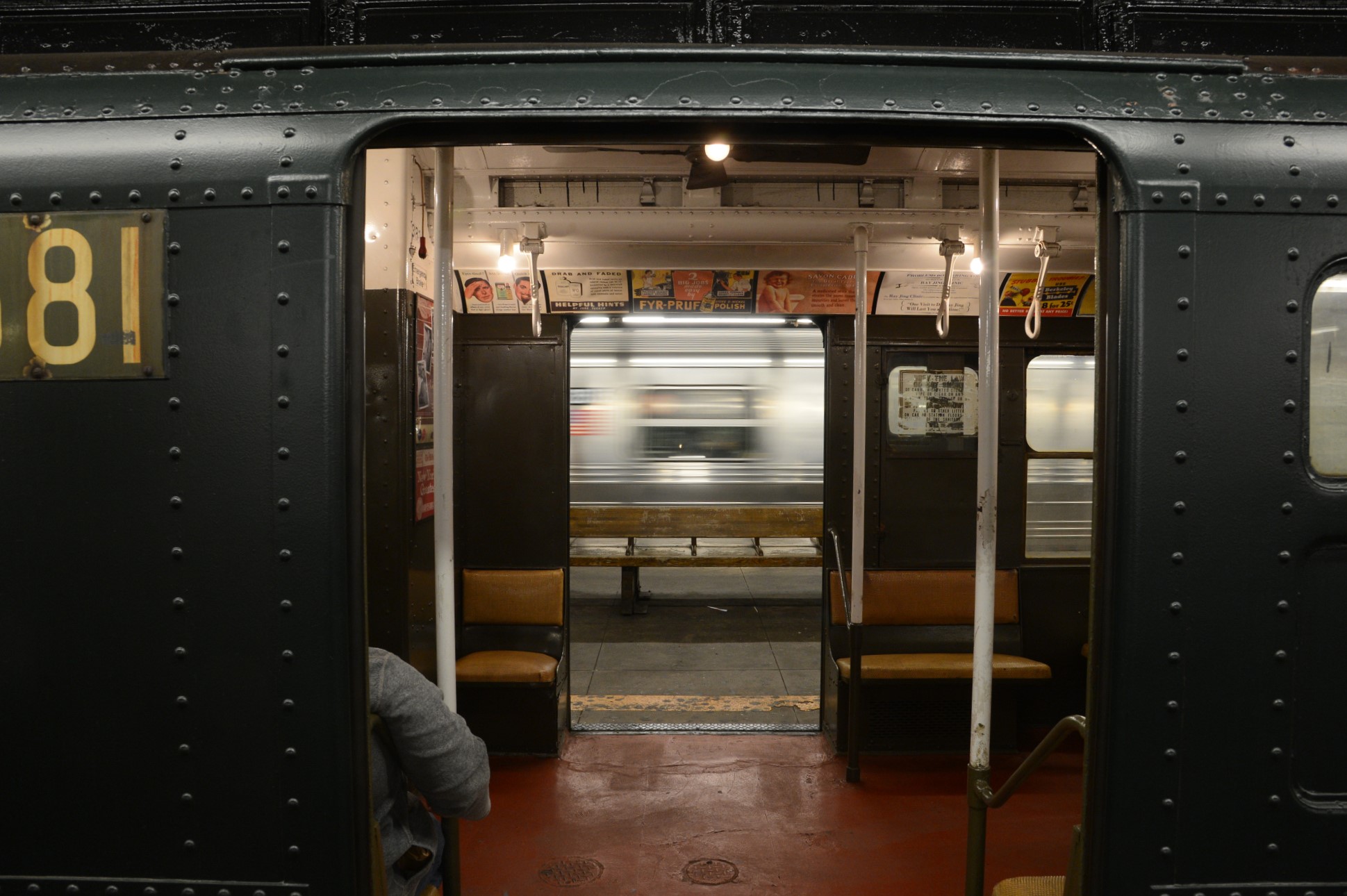
Doors of an R1/9 car opening

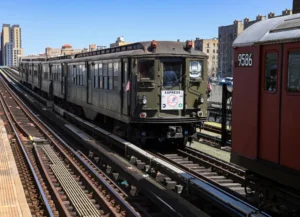
The R1/9s were 1,703 similar cars built between 1930 and 1940 for the Independent Subway System (IND).

All were built by three companies: the American Car and Foundry Company; the Pressed Steel Car Company; and Pullman Standard. The nickname “Arnines” is said to be derived from a literal spelling of the final contract under which these cars were ordered – contract “R9”. These cars are also known as “City cars”.

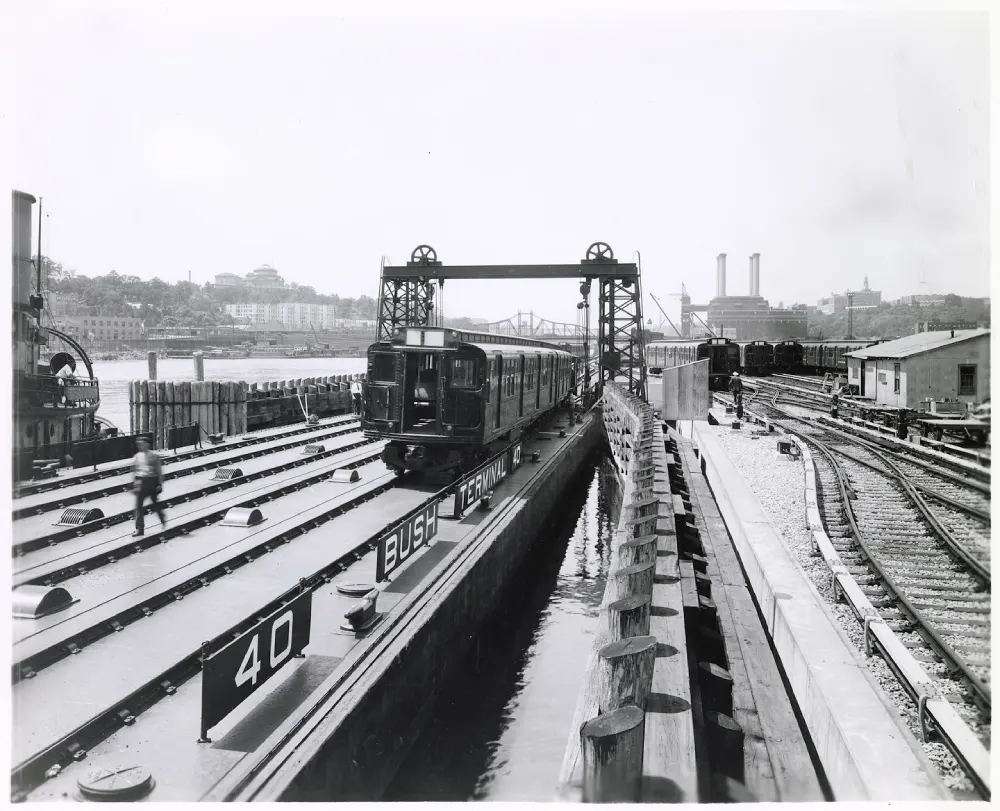
R1 cars being unloaded at Bush Terminal, c. 1931

The cars entered service between 1931 and 1940 and remained on the rails until they were replaced between 1968 and 1977. The last of this broad grouping of cars were removed from passenger service in 1977.

Pictured here, the R1 cars first entered the New York City subway system via Bush Terminal in Brooklyn.

R1 cars being unloaded at Bush Terminal, c. 1931
Lonto / Watson Collection
New York Transit Museum
Which car types became Arnines?

The “R” in car numbers such as R1 means “rolling stock”, a rail industry term that refers to any vehicle that moves on a railway. The car types that became known as Arnines or “City cars” were:

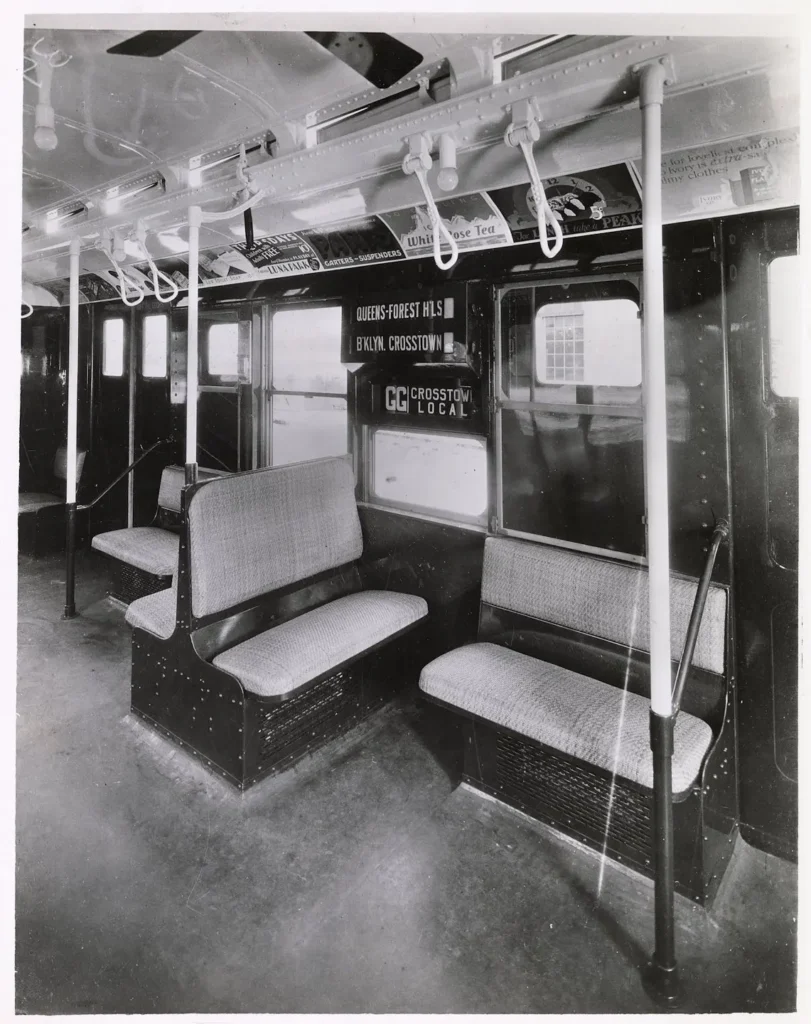
black & white photo of the interior seats of the R1 car

The R1, nicknamed “City Car” was the first New York City Subway car type built for the IND. 300 cars were manufactured between 1930 and 1931 by the American Car and Foundry Company, numbered 100 through 399, all arranged as single units.

R1 interior, 1931
Lonto / Watson Collection
New York Transit Museum
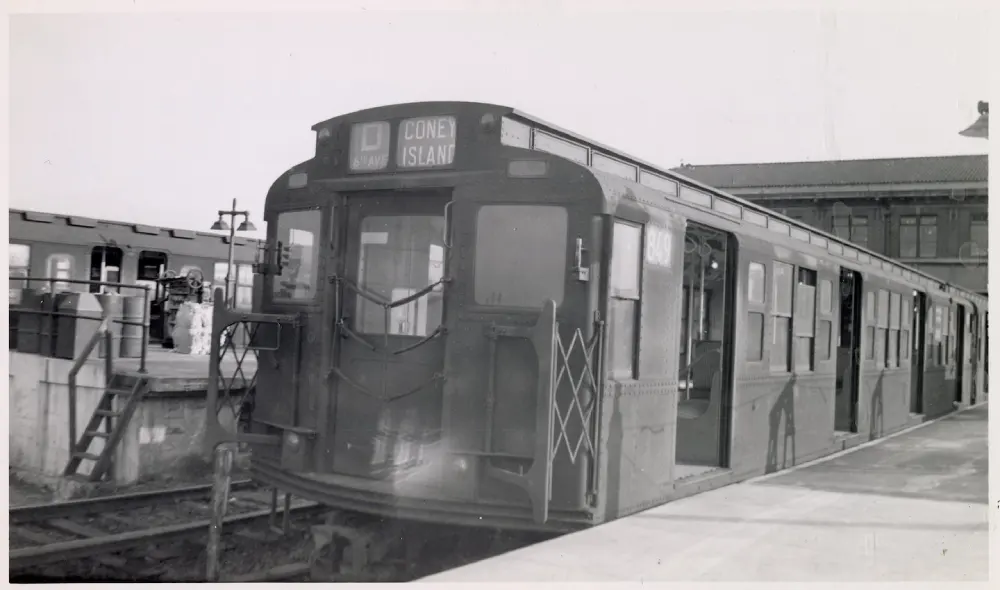
1954 black & white photo of an R4 car at Stillwell Station

The R4 was built from 1932 to 1933 by the American Car and Foundry Company. A total of 500 R4s were built, numbered 400–899, and arranged as single units.

R4 cars on the first Sunday of D service at Stillwell, 1954
Lonto / Watson Collection
New York Transit Museum
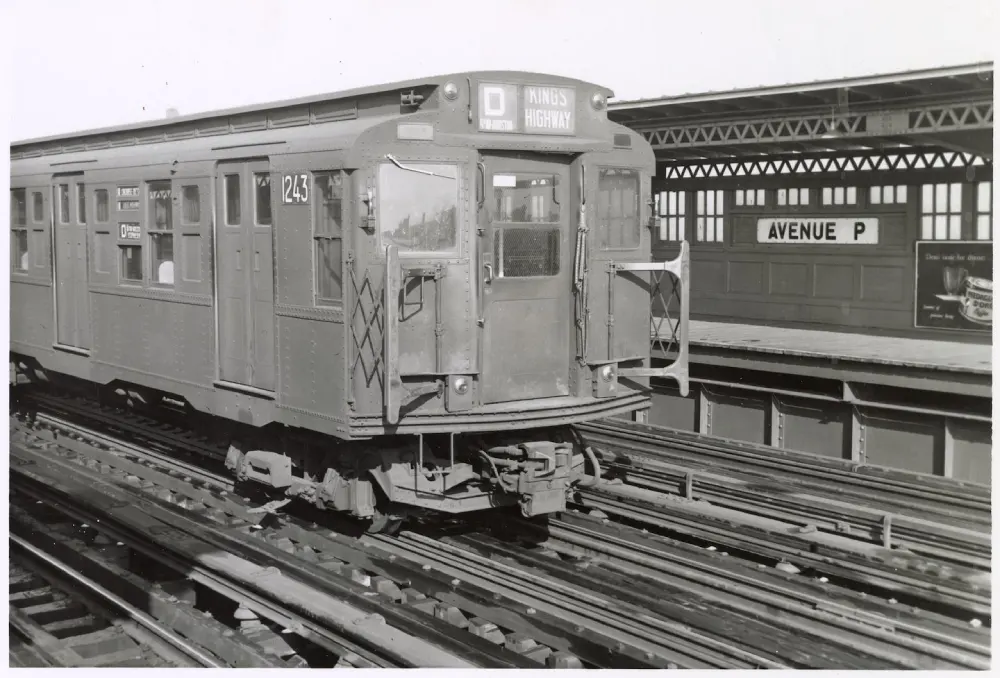
R62 car at Avenue P, Brooklyn, 1955

The R6 was built from 1935 to 1936 by three manufacturers under separate orders, the American Car and Foundry Company, Pullman Standard, and Pressed Steel Car Company. A total of 500 cars were built, numbered 900–1399, and arranged as single units. There were three versions of the R6: R6-1, R6-2, and R6-3.

R6-2 car at Avenue P, Brooklyn, 1955
Lonto / Watson Collection
New York Transit Museum
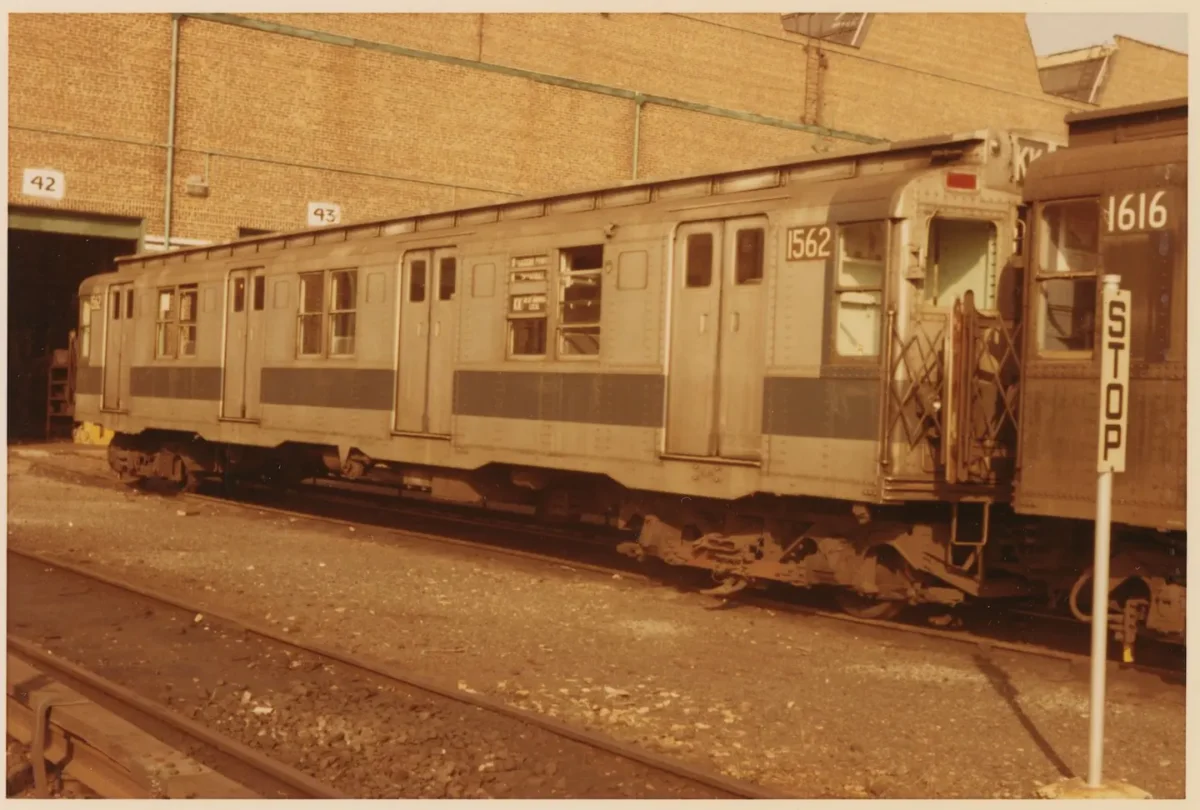
1971 sepia photo of R7A cars in Coney Island

The R7 was built from 1937 to 1938 by two manufacturers under separate orders, the American Car and Foundry Company and Pullman Standard. A total of 250 cars were built, all arranged as single units. Two versions were ordered: the R7, which consisted of 150 cars, numbered 1400–1549, and the R7A, which consisted of 100 cars, numbered 1550–1649.

R7A cars in Coney Island, 1971
Lonto / Watson Collection
New York Transit Museum
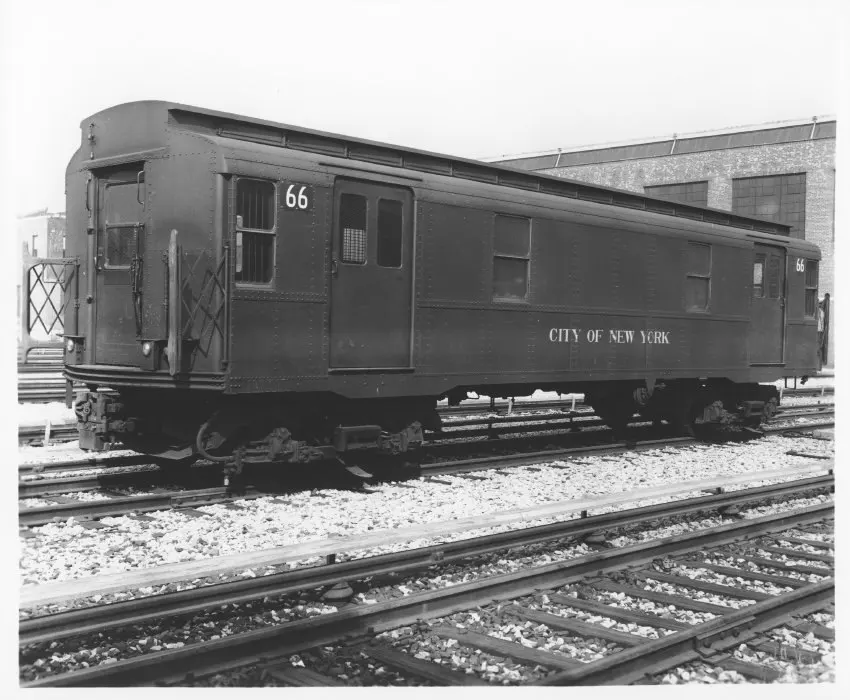
1940 black & white photo of an R8A car sitting idle on the tracks

There were two R8A cars built in 1939 by the St. Louis Car Company and were used to gather and transport tokens along the IND division.

R8A revenue car #66, c. 1940s
Vincent Lee Collection
New York Transit Museum
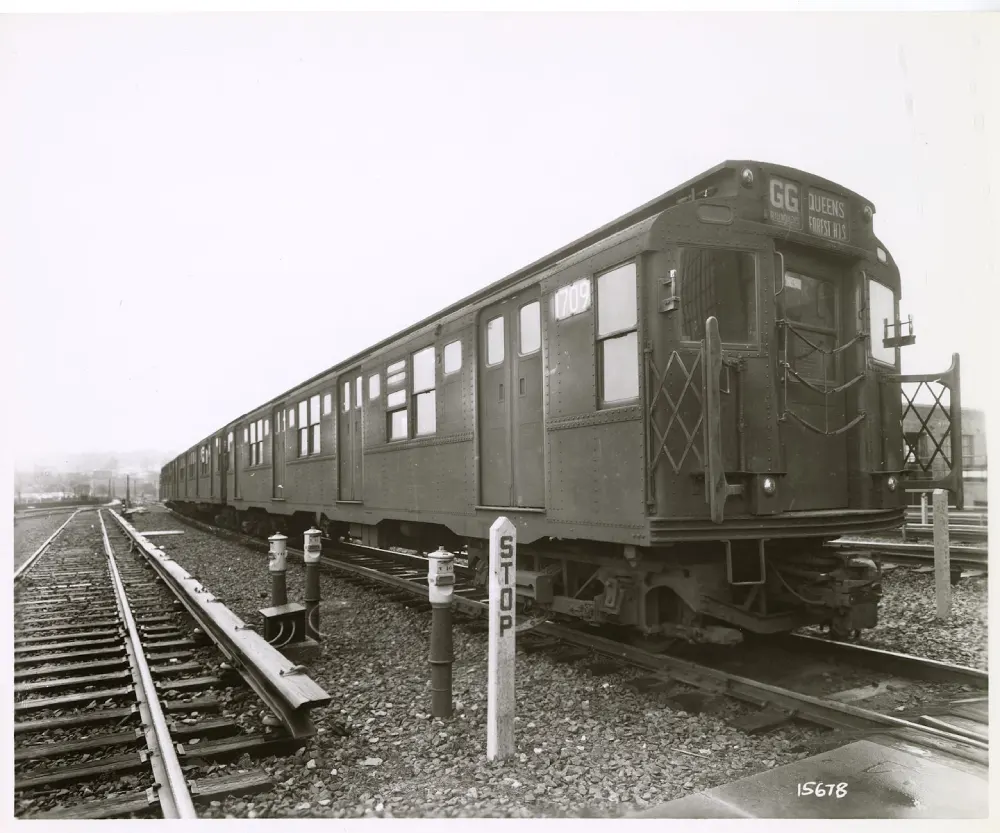
black & white photo of R9 car standing idle on the tracks

The R9 was built by the American Car and Foundry Company and the Pressed Steel Car Company in 1940. A total of 153 cars were built, numbered 1650–1802, and arranged as single units. They were the last “Arnine” type cars that were ordered before the merger of the IND with the IRT and BMT in 1940.

R9 car #1709, n. d.
Lonto / Watson Collection
New York Transit Museum
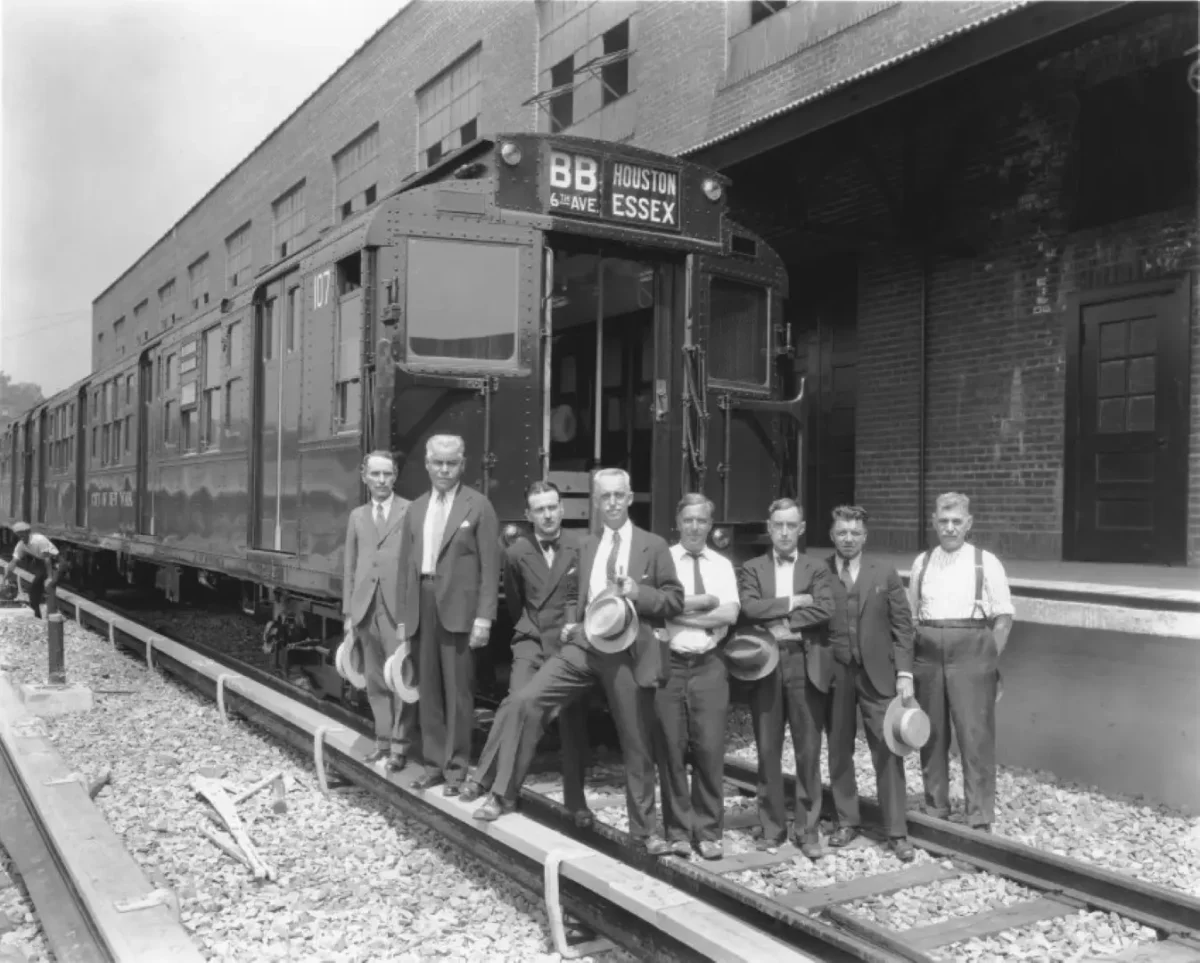
The first R-1 cars in the 207th Street Yard, 1930

The first R1 cars in the 207th Street Yard, 1930
Vincent Lee Collection
New York Transit Museum
Why did New York City buy these cars?

When New York City planned out its subway lines, the overarching idea was to move more people in less time. Interborough Rapid Transit (IRT) and the Brooklyn-Manhattan Transit Corporation (BMT) had already designed several steel cars for use on their services, but the City felt improvements to these designs were needed, and they undertook research to determine the best design for an all-steel car.

Initially it was hoped that a new car could operate on BMT services and IRT lines. After prototyping and testing, this idea was modified to develop a car that would work on the new IND lines as well as BMT.

“The new cars, as designed, will be 60 ft. 6 in. long, 10 ft. wide and 12 ft. high. The length will be 9 ft. and 2 in. longer than the Interborough Rapid Transit Company cars and about 7 ft. shorter than the single steel cars now used by the Brooklyn-Manhattan Transit company. They will permit easy movement of passengers through the end doors between cars, while the train is in motion. The width and height of the new cars will be the same as the width and height of the Brooklyn-Manhattan Transit company cars. The new cars will have four double doors on each side, each doorway being 3 ft. 10 in. wide…”

— Electric Railway Journal, 1928
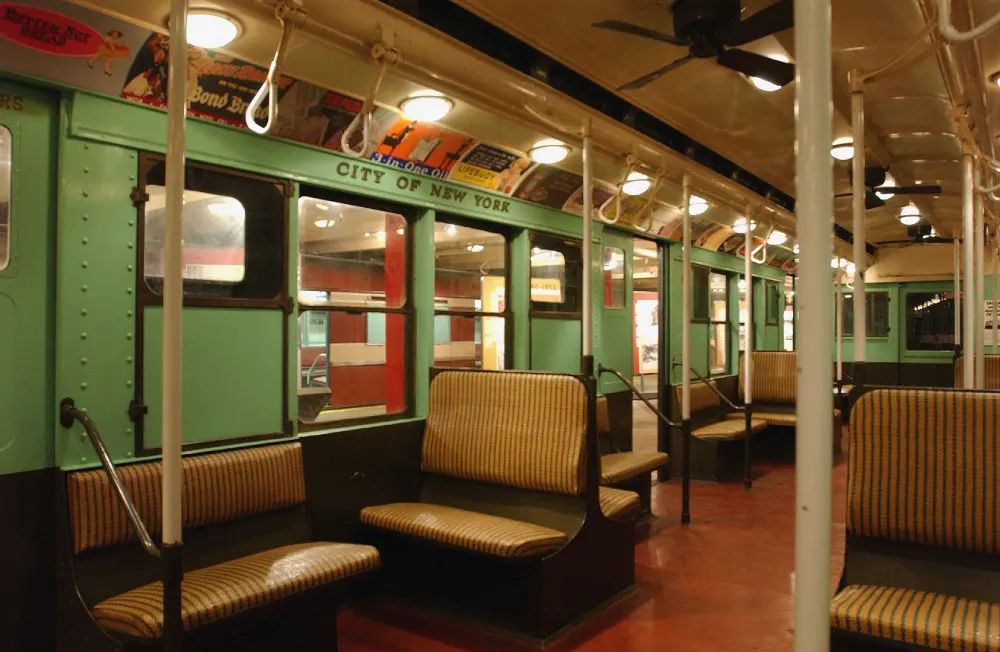
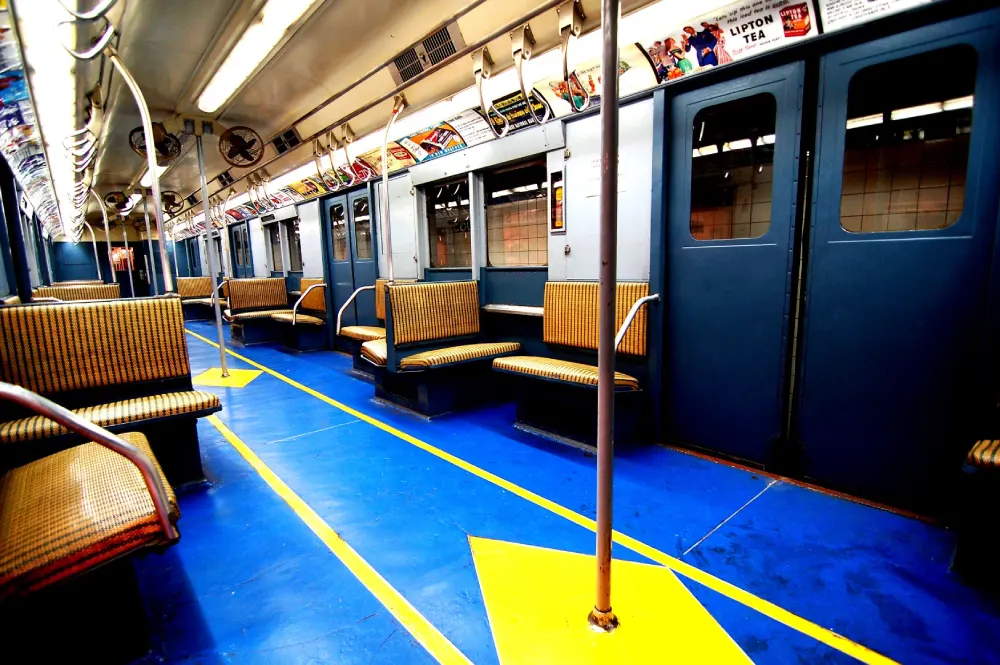
Interior of car 484 on view at the museum

The biggest challenge was moving more people through the subway system in speed and comfort. From a capacity perspective, during rush hour, less seating means more people can fit in a subway car. However, when it is not rush hour, a car must have enough seats so that passengers can travel in comfort. As demonstrated by the cars on the BMT, a mix of cross seating and long seating would be a happy medium between rush hour needs and off peak comfort.

Car 484 interior, 2015
Photograph by Patrick Cashin

“The arrangement of the seats is somewhat similar to the arrangement now in existence in the B.M.T. cars, but in the city’s new subway cars there is to be 2 in. more knee room between cross-seats than in the B.M.T. cars. Each car will seat 60 passengers, and when filled with a standing load, each car will have a capacity of 282 passengers. The station platforms are 660 ft. in length, enough to accommodate a train of eleven cars, nearly 30 per cent more than the longest B.M.T. train and 55 per cent more than the present Interborough trains of ten cars each.”

— The Electric Railway Journal
interior view of the Car 1571 on view at the museum in 2010

Having doors without center posts would also add to the speed at which passengers boarded and alighted. The design goal was to have at least 50% of the side of the train open for passenger movement — the reality is slightly less. It was estimated that a train that took four seconds less at each station (called “dwell time”) could allow the movement of an additional 3,000 people per hour through the system.

Car 1575 interior, 2010

1955 black & white photo of R6 cars on the Culver Line

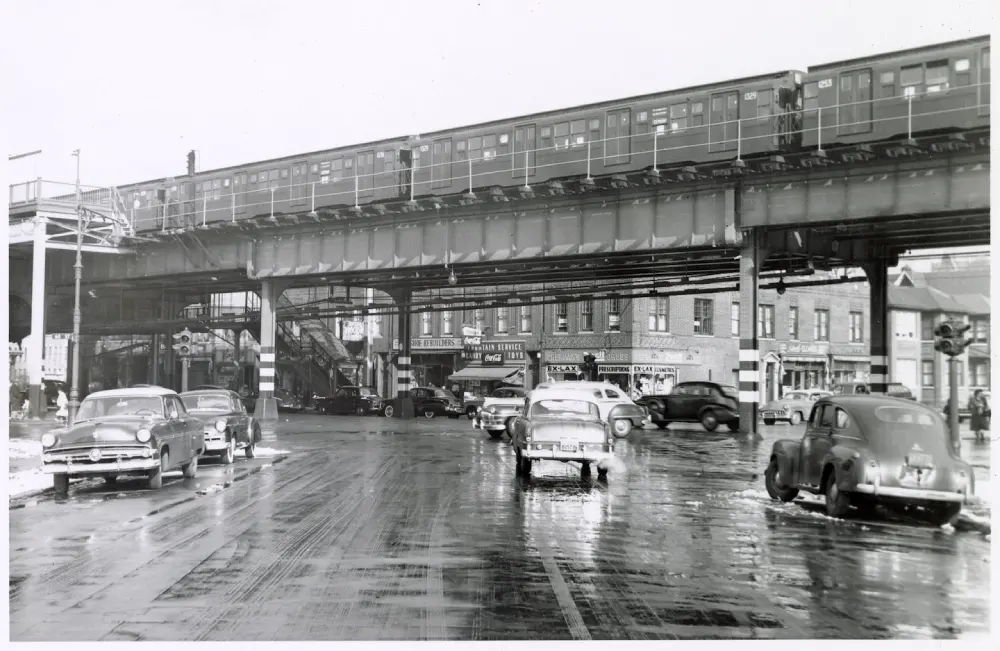
The first cars were ordered by the City in 1928-29 for service on the forthcoming Eighth Avenue Line (today’s A / B / C / D / E trains), which eventually opened in 1932. While they were being tested in Brooklyn, on the Sea Beach Line, they were called “City cars”.

R6 cars on the Culver Line, 1955
Lonto / Watson Collection
New York Transit Museum
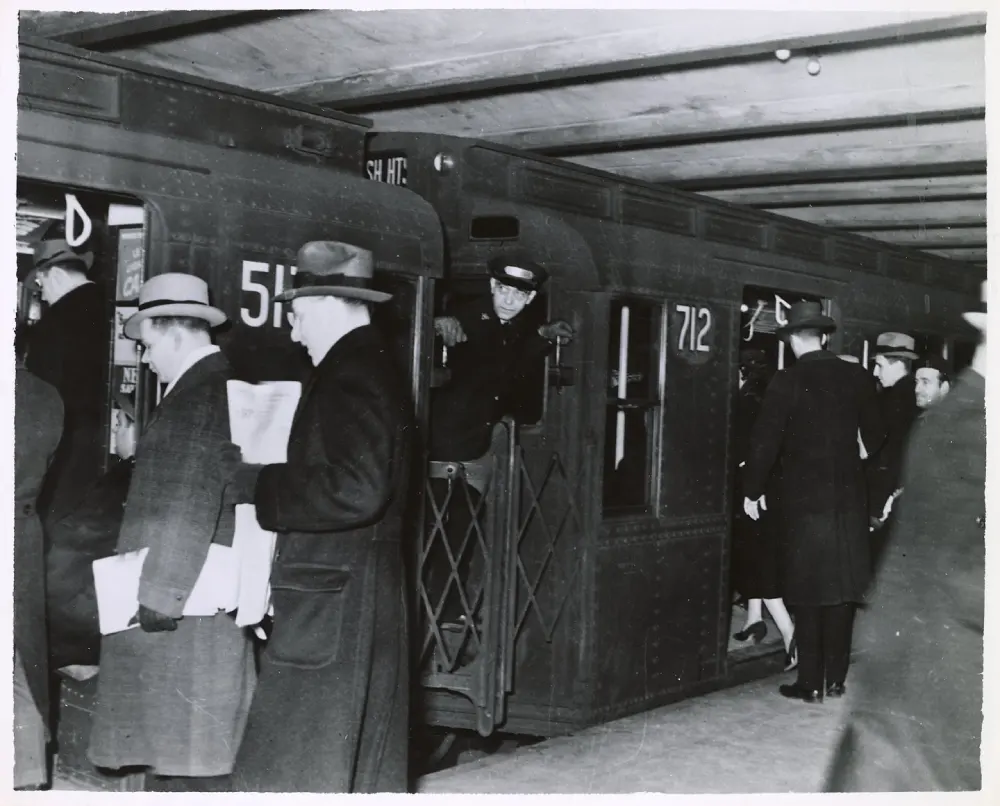
1936 black & white photo of passengers boarding an R4 car

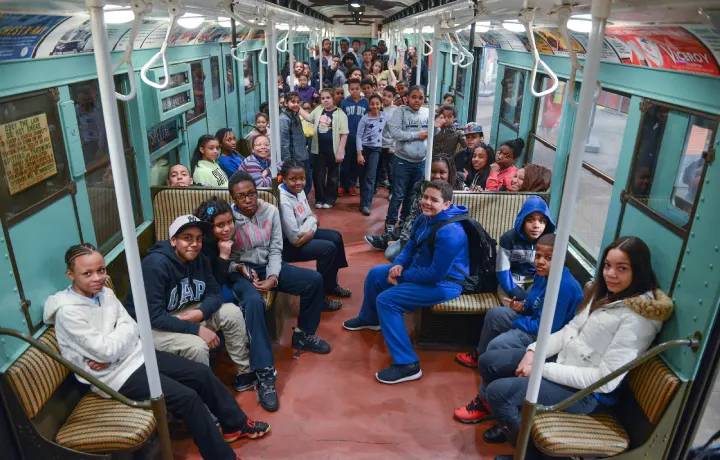
Each of the cars were largely identical, with a utilitarian Machine Age design. Each of the six car types had slight variations to door and window details, and some other cosmetic changes. Contrary to the ERA’s article of 1928, the cars only sat 56 passengers.

R4 cars in service, 1936
Lonto / Watson Collection
New York Transit Museum
Why were the cars retired?

By the 1960s, the fleet was beginning to show wear and tear. The fleet was supplanted by R40, R44, and R46 cars. After retirement, most cars were scrapped, with a handful entering work service and about 20 preserved by museums.

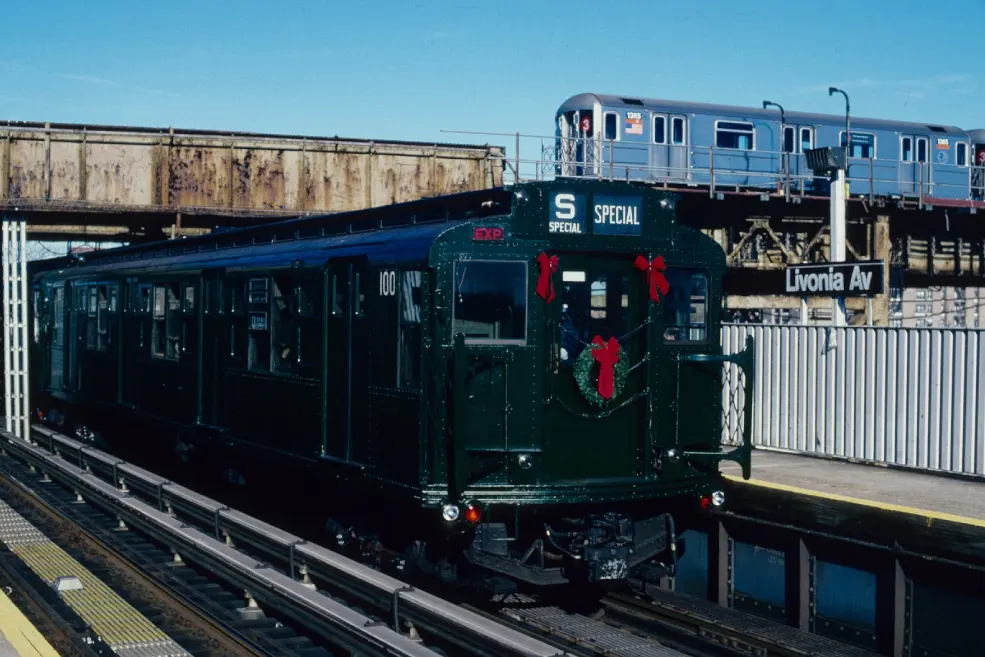
Arnines at Livonia Avenue, Brooklyn, 2003

How does the NYTM preserve these trains?

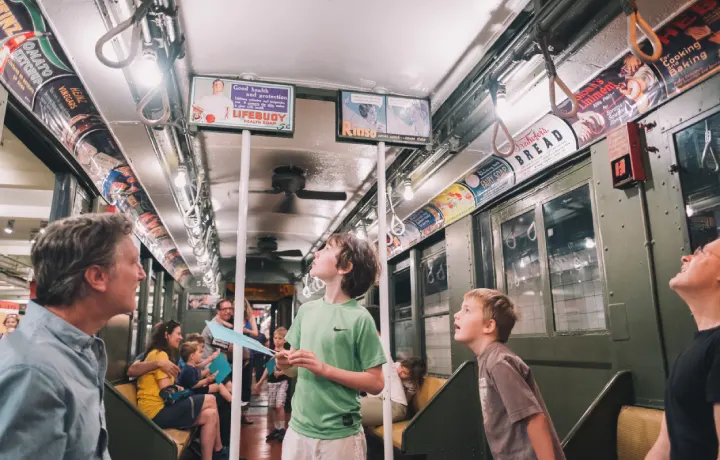
Like people, each train car is different, even if they are the same car type. A team of NYTM volunteers works closely with Car Equipment and other NYCTA departments to prepare our fleet for Nostalgia Rides and other events. Each car that is in service at one of these events has undergone the same safety testing as any other subway car in revenue service.

Arnines at Livonia Avenue, Brooklyn, 2003
Photograph by Ralph Curcio
Ralph Curcio Collection
New York Transit Museum
Preserving Every Chapter of the Arnines

Some of the Arnines in the New York Transit Museum fleet had experimental refits done on them in the past, which our restoration team felt was important to preserve. Other cars received restorations that demonstrate some of the changes in materials over the service life of these type of cars.

Some examples:

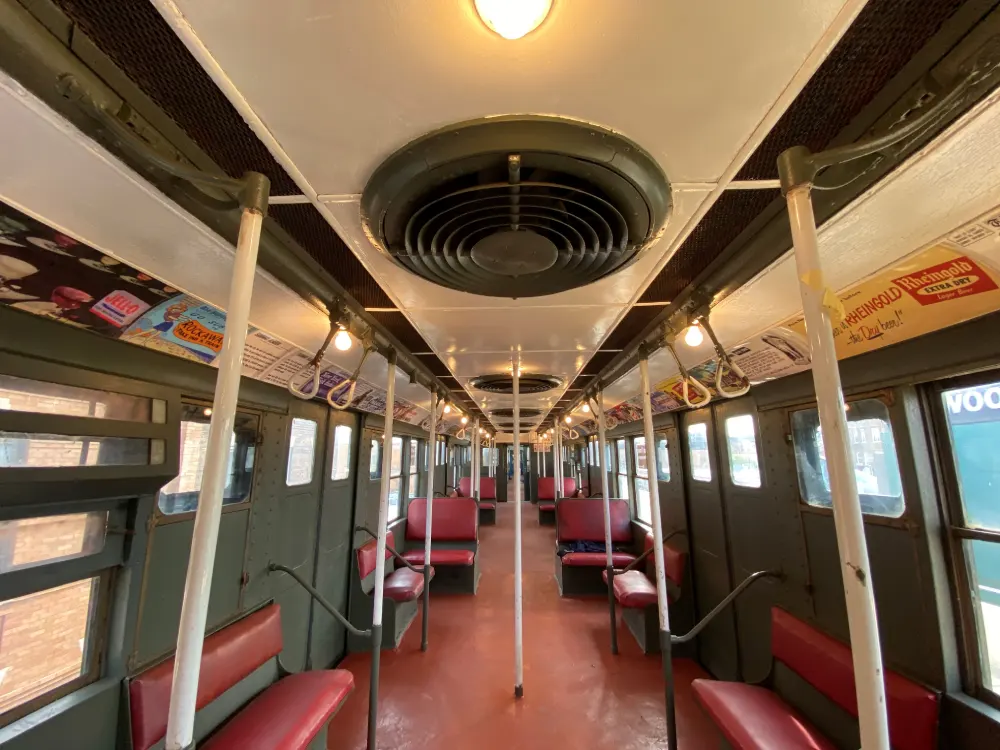
interior of the R1 #103 showing fans

Car #103 received some Axiflow fans in the 1940s, which are still present in the car. The interior of the car has been restored to how it would have looked until the 1950s.

R1 car #103
Photo by Mark J. Wolodarsky

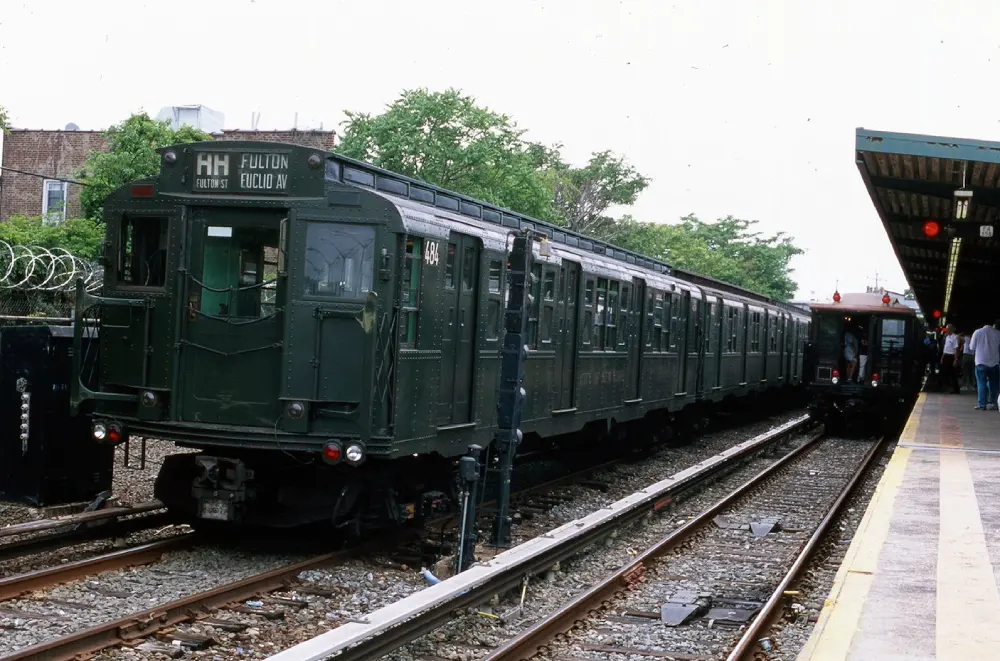
R4 Car #484 on tracks at station

Car #484 was one of two that received a PA system and round glass light fixtures called “bullseye” lights and was preserved in this state. It is restored to how it would have looked in 1946, when these lights were installed.

R4 Car #484
Ralph Curico Slide Collection
New York Transit Museum
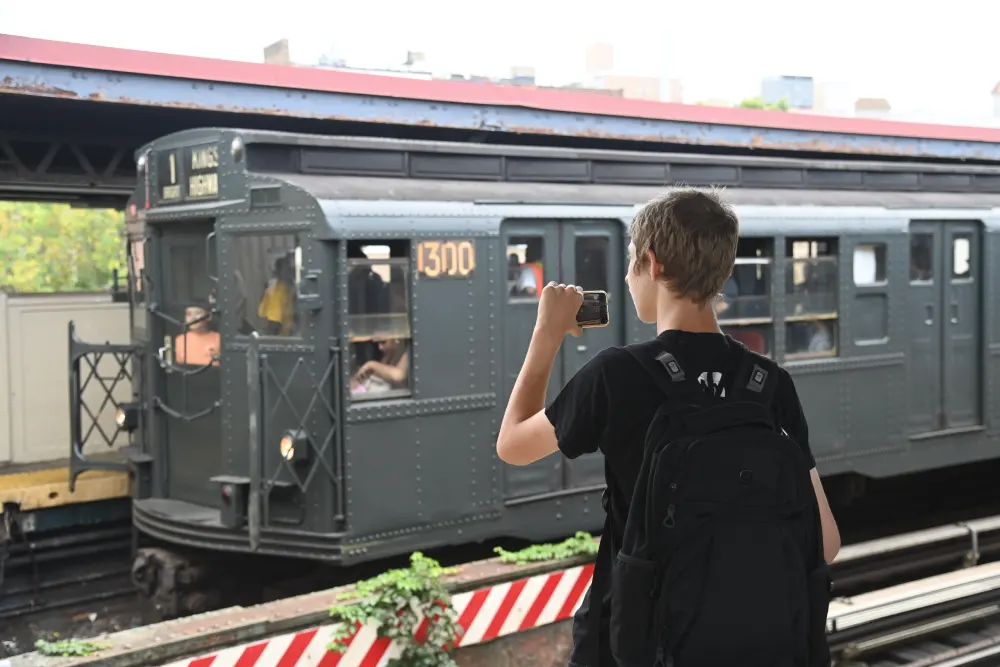
Railfan capturing the R6 #1300 Car on their cell phone

Car #1300 has been restored to what it would have looked like in the 1950s: plasticized “rattan” seat cushions, and an interior painted “Patterson Green”, named for Charles L. Patterson, the first Transit Authority chairman (1953-1963).

Railfan Photographing Car #1300, 2023
Photo by Marc A. Hermann / MTA


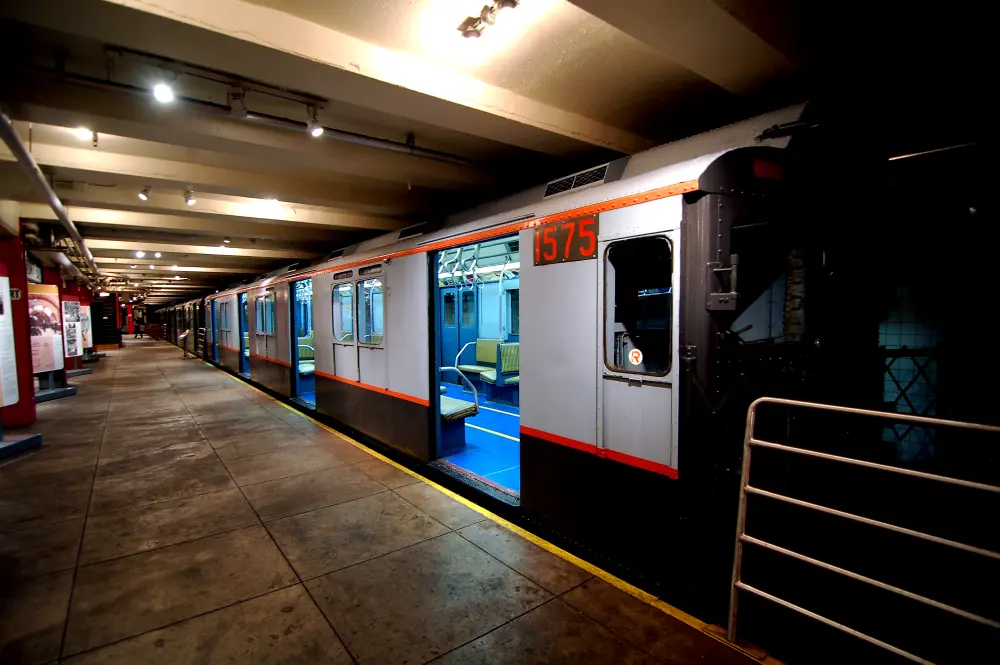
IND R7-A Prototype Car 1575 on view at the museum

Car #1575 was in an accident in 1946 and was rebuilt to be a prototype for the R10 cars. It has been restored to look like it did in 1947. Cosmetically, it looks like the other R10 cars in the Museum’s fleet but is still an R7-A mechanically.

IND R7-A Prototype Car #1575 (1938, rebuilt 1947)
New York Transit Museum
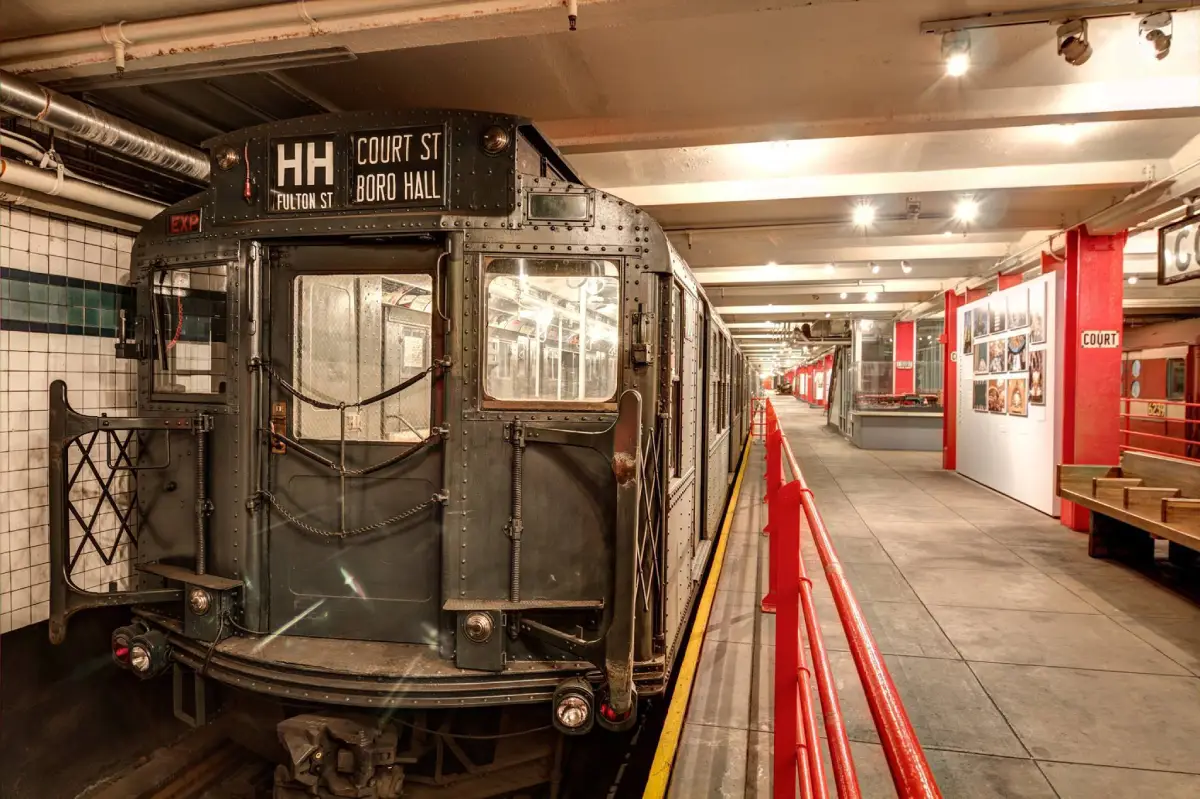
Car 100 on view at the transit museum

Photo by Black Paw Photo

SEE VINTAGE TRAINS UP CLOSE.

Explore how transit changed the way New Yorkers lived, worked, and played, and discover how these vehicles shaped the city itself. Whether you’re a lifelong enthusiast or a first-time rider, there’s a story waiting inside.

SUPPORT
THE MUSEUM

Fuel our mission to preserve transit history, create inspiring exhibits, and offer programs for learners of all ages.

PLAN
YOUR VISIT

Experience New York’s transit story firsthand—explore historic trains, unique exhibitions, and special events at the Museum.