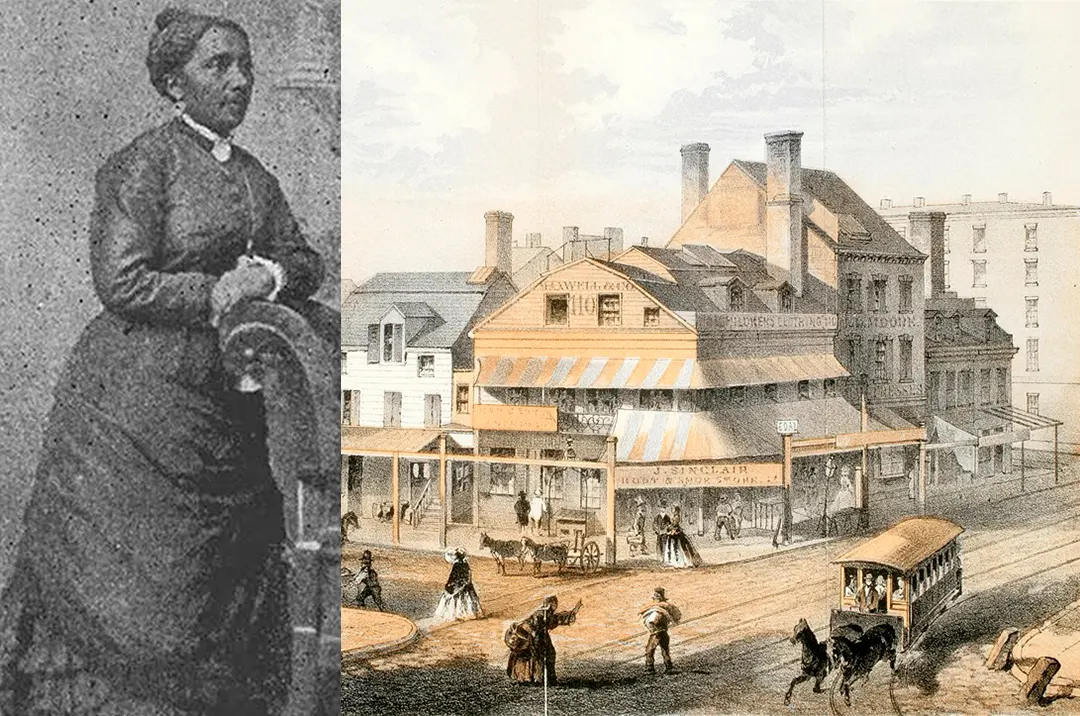
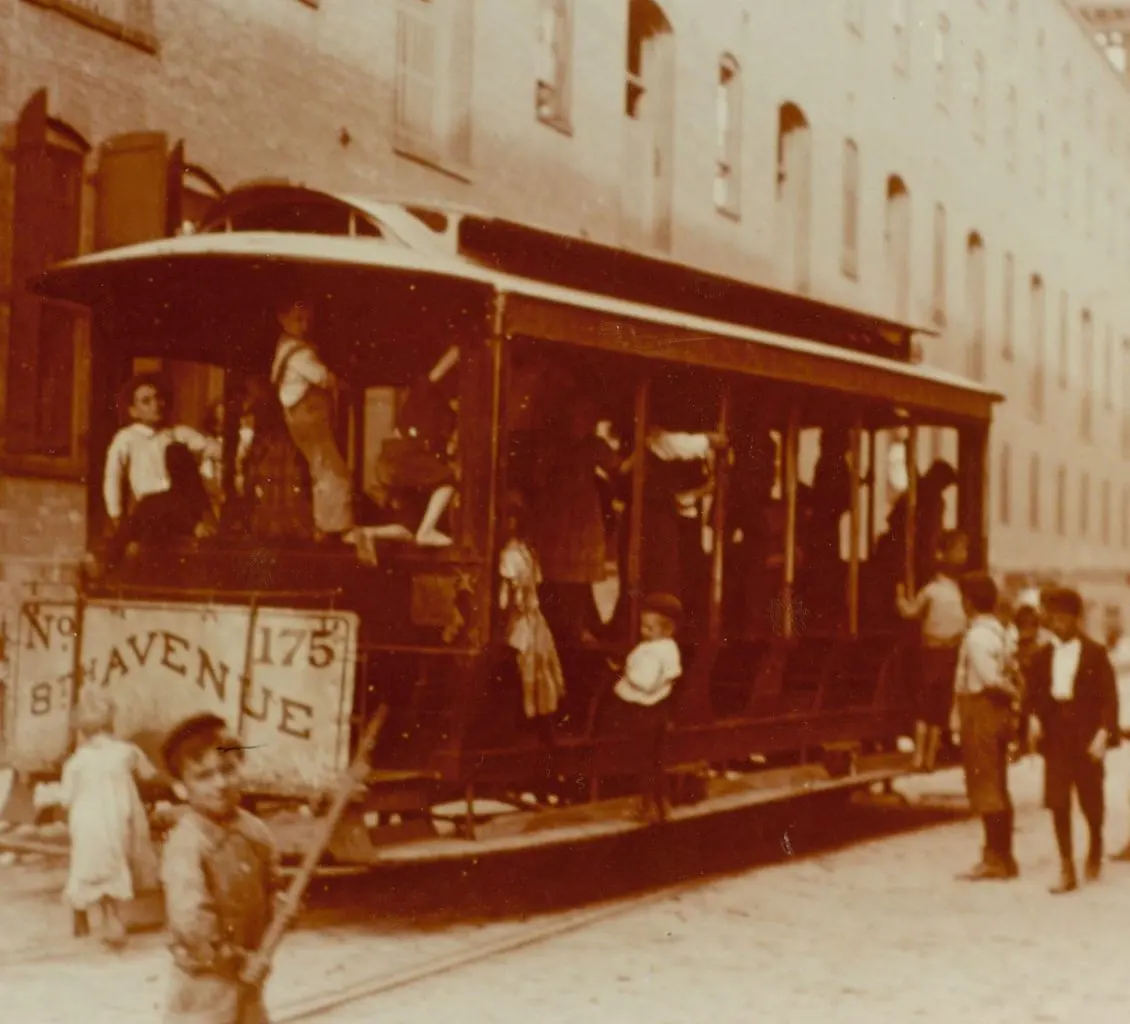
The Black community was enraged, and the day after the incident they held a rally at Jennings’ church. Just as Rosa Parks would a century later, Jennings took her case to court. She sued the driver, the conductor, and the Third Avenue Railway.
Remarkably, Jennings was represented by a 24-year-old lawyer, Chester A. Arthur. Then just a junior partner at Culver, Parker, and Arthur, he later became the 21st President of the United States.
In 1855 Judge Rockwell of the Brooklyn Circuit Court ruled: “Colored persons if sober, well behaved and free from disease, had the same rights as others and could neither be excluded by the rules of the company, nor by force or violence.” Jennings won her suit and was awarded damages.