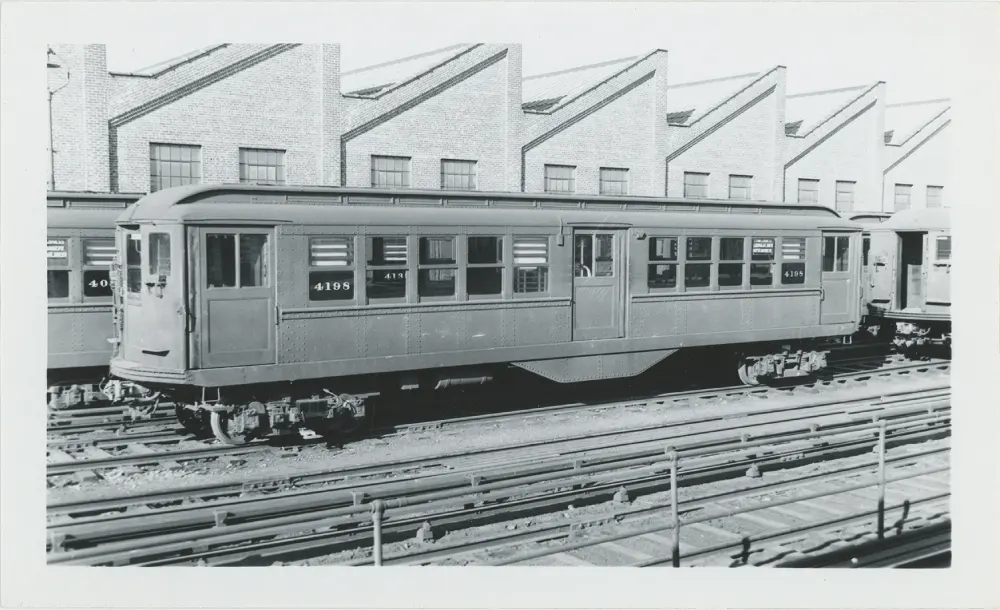
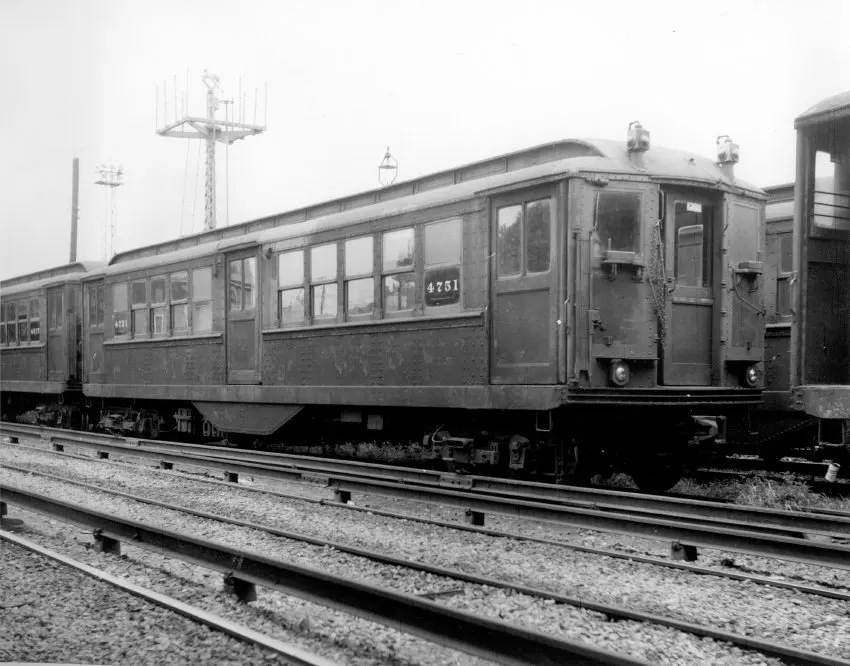
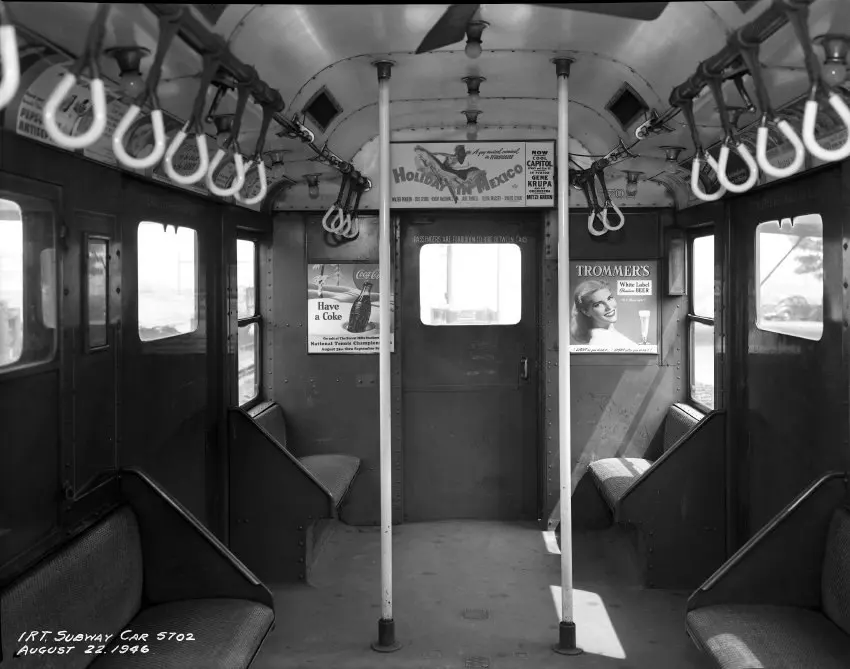
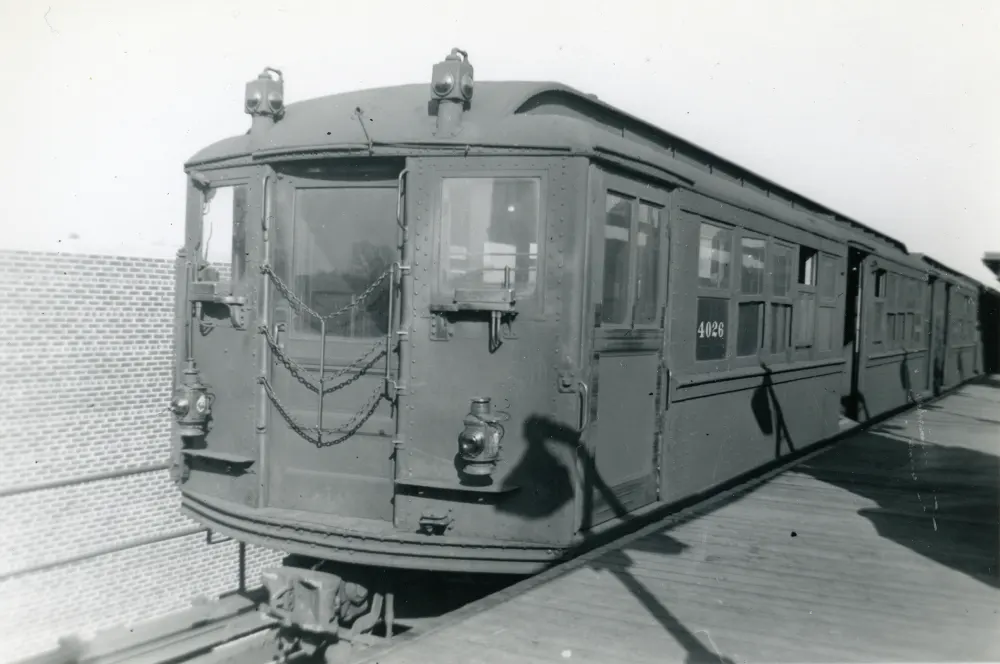
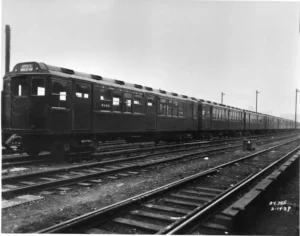
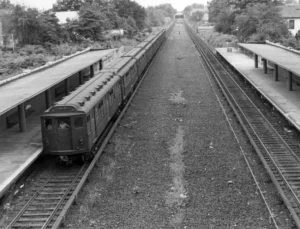
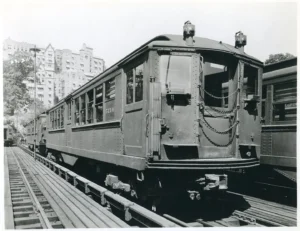
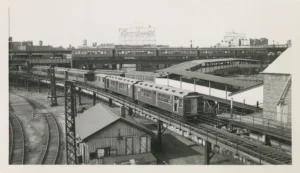
Why were there different kinds of Lo-Vs?
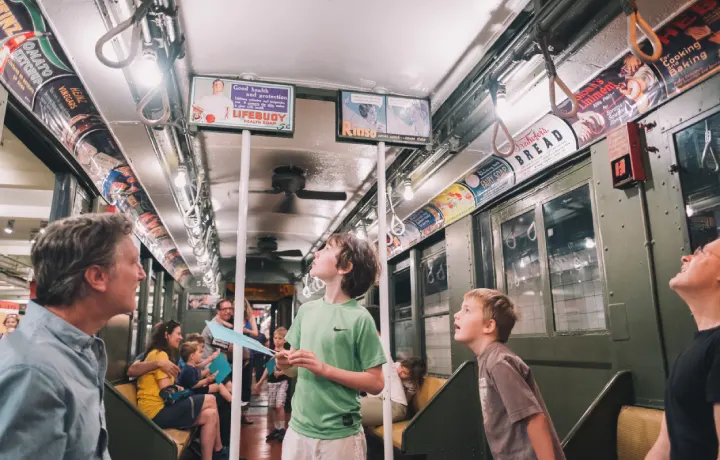
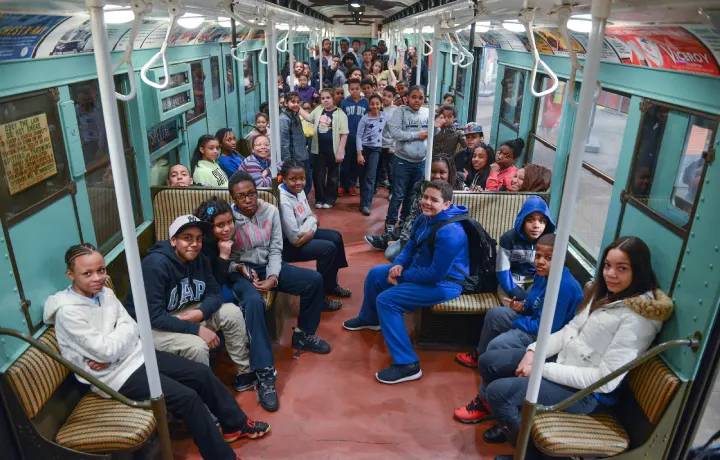
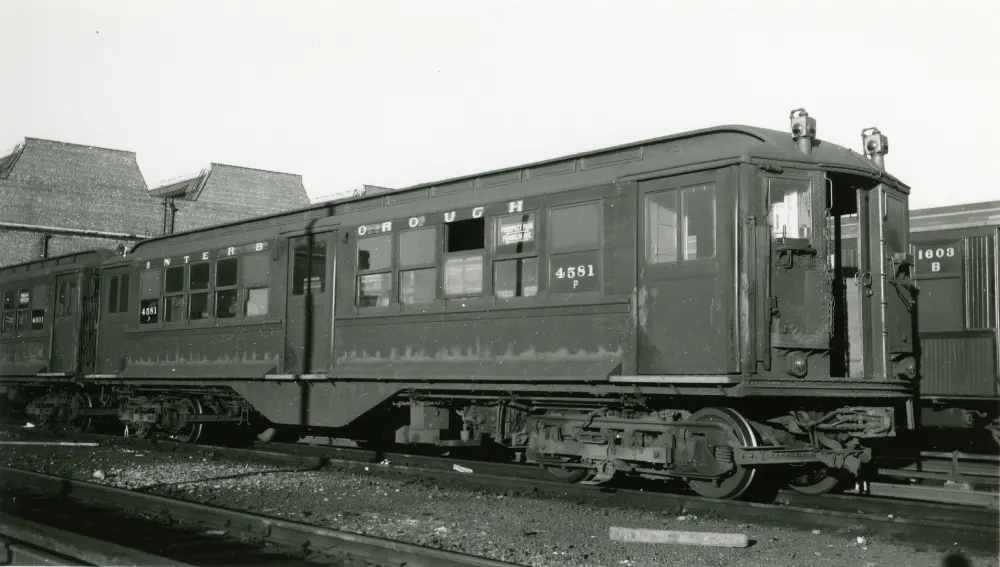
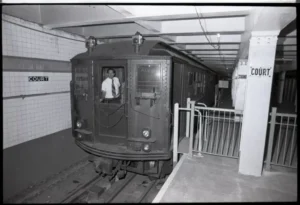
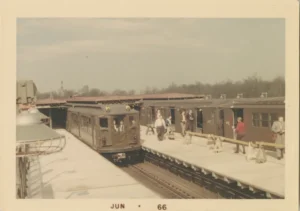
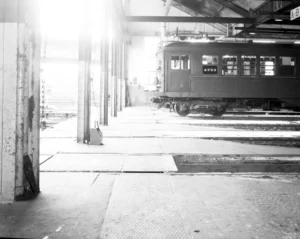
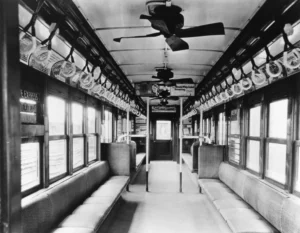
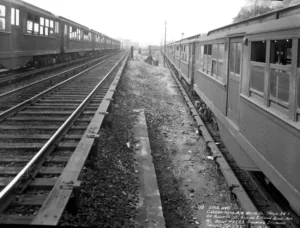
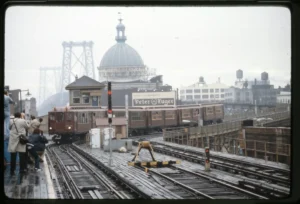
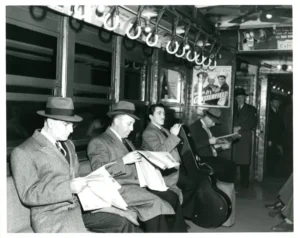
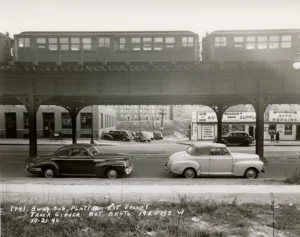
As the needs of the subway system changed, elements of the subway cars that ran in it changed as well. Multiple batches of Lo-Vs were ordered from 1916 to 1938. Some of the changes to the Lo-V cars were cosmetic, and some were crucial mechanical changes to ensure smooth operation.
The Steinway and World’s Fair Lo-V cars are an example of mechanical changes made to ensure smooth operation.
The Steinway Tunnels were originally intended to have trolley service run through them. They were built by the New York and Long Island Rail Road Company between Lexington Avenue and 42nd Street in Manhattan and Van Alst Avenue (now known as 21st Street) in Long Island City.
In April of 1913, New York City became the owner of the Steinway Tunnels, and the IRT was chosen to operate the subway line that would serve it – the IRT Corona Line (later Flushing Line). In order to get the tunnels in service quickly, they were reconfigured for rapid transit by removing the catenary wire and trolley wayside equipment.
One thing that could not be changed quickly or inexpensively is the grade of the tunnel. Grade is the angle at which a tunnel differs from a flat horizontal surface. The bigger the number, the higher the grade. Higher grades are more difficult for subway cars to move over. The Steinway Tunnels, because they were not built for rail cars, have a steeper grade than those tunnels specifically constructed for subway service.